The Backyard and Beyond

Big Bend is BIG

I never thought I’d want to visit Texas. I guess one forms preconceived ideas about a place and it didn’t occur to me that it could be more than oil fields and ranches. But, a few years ago, when I started developing a curiosity about our National Parks, I realized that there are some amazing natural places that I really knew very little about. Big Bend caught my eye, mostly because it is one of the largest, most remote and least-visited of our national parks in the contiguous U.S. I also learned that along with the 1200 species of plants, 56 species of reptiles, 75 species of mammals, there were also more than 450 species of birds, that either make the park their home or pass through during migration, and I couldn’t exactly ignore that fact! So, the last week in April, we flew to Midland TX, by way of Dallas, rented a car, and drove over 4 hours to the park.
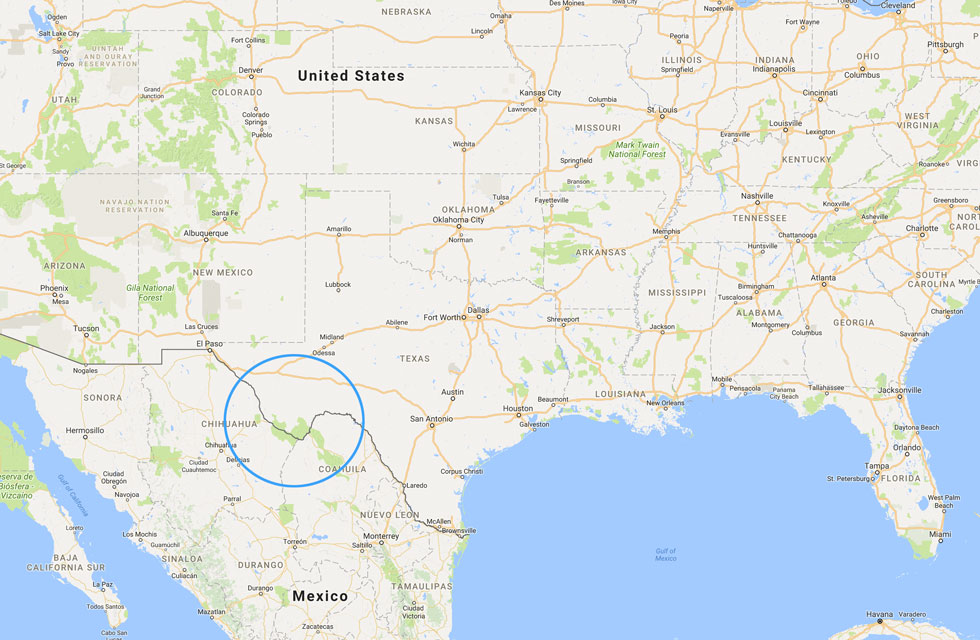
Where in Texas is Big Bend National Park? I didn’t know until I looked.

Midland was everything I had imagined Texas to be; flat, dry and quite frankly, unappealing. Miles of oil rigs—working and abandoned—dotted the terrain. Rusting hunks of metal in the form of barrels, trucks, and pieces of who-knows-what, were strewn amongst the mesquite and sand. I don’t know what southwest Texas may have looked like before the prospectors and oil companies moved in, but I venture that its natural state was more appealing than the way we found it in 2017.
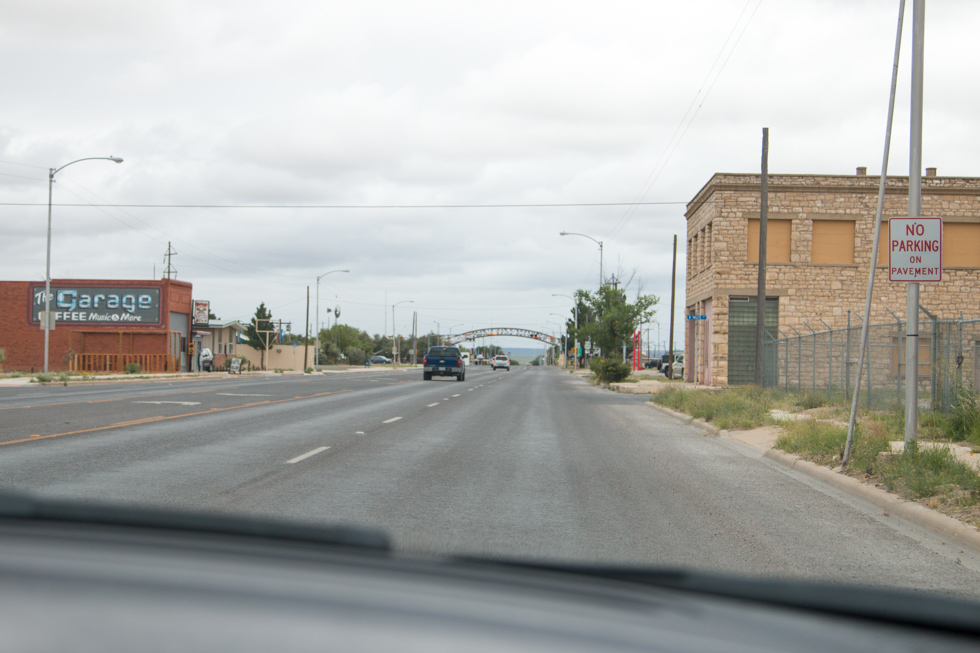
Still in the flatlands, Fort Stockton, Texas

As we headed farther south, the very flat terrain started to rise, and foothills appeared on the horizon. That was exciting because we knew we were getting closer to Big Bend and it had been a very long day of travel.
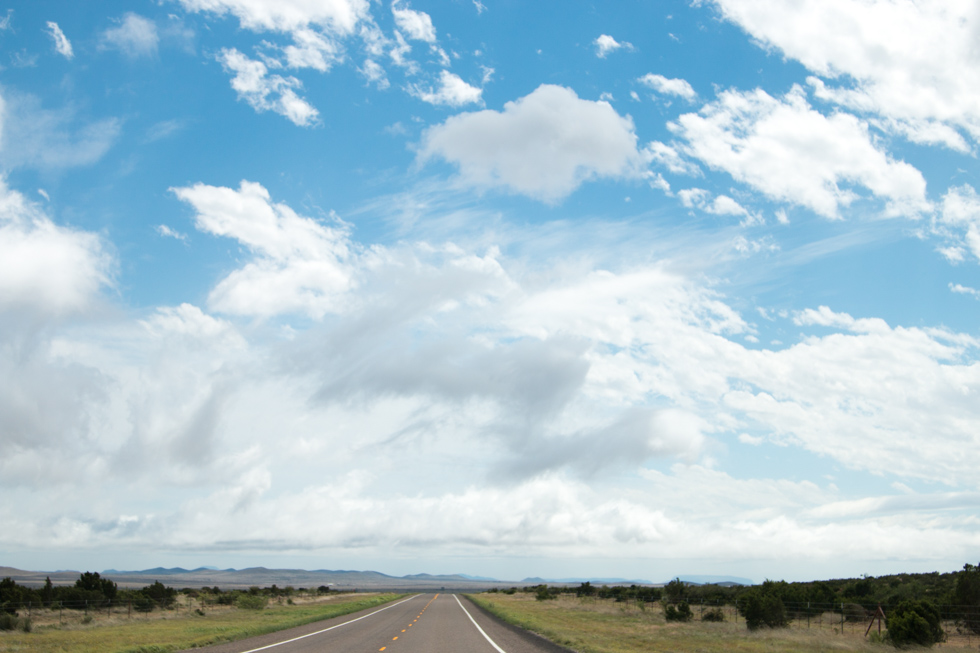
The grey skies started clearing and we could see hills on the southern horizon.

And then, there it was, the park entrance with the familiar Park Service sign. We perked up a little and stopped for a look around but, realizing we still had well over an hour before we made it to our home base for the week, we hopped back in the car and moved on.
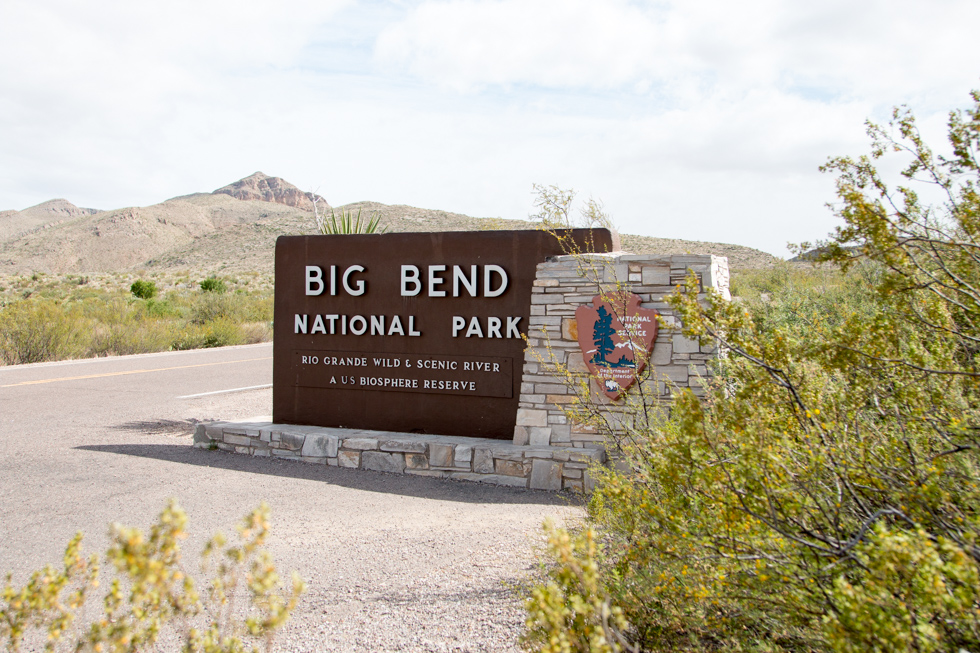
Welcome to Big Bend!

As we continued, views of the Chisos Mountain range rising out of the Chihauhuan Desert appeared, and they were spectacular.
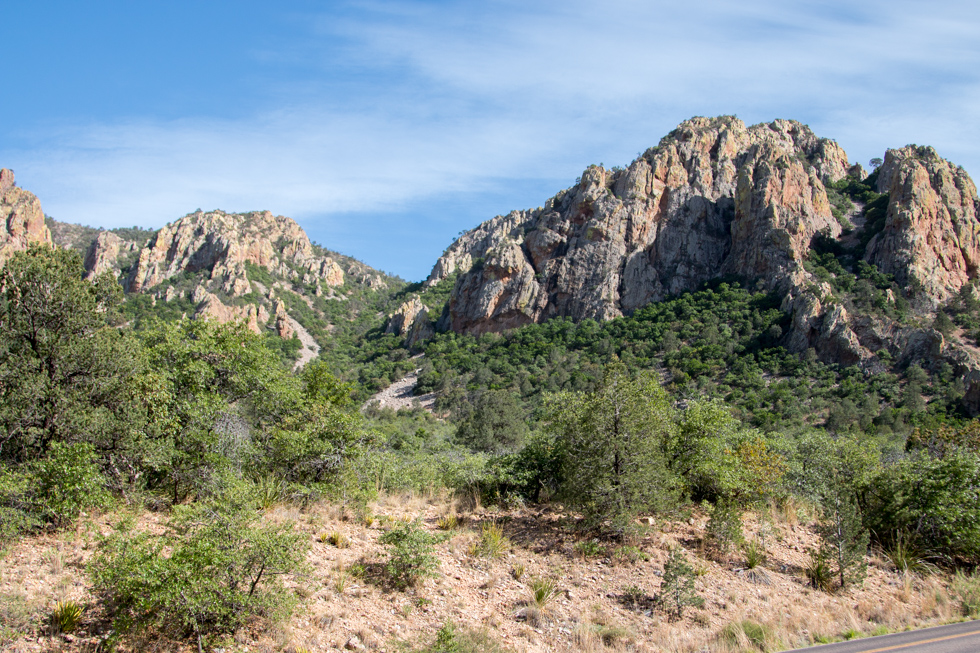
Chisos Mountains

We were in awe as we made our way up to the Chisos Mountain Lodge, which would be our base camp for the next 6 days. There are a number of motel-type buildings at the lodge basin, and also a few stone cottages that were built in the 40’s. The hotel rooms are serviceable, if slightly shabby. The stone cottages are hard to get and require reservation a year in advance. Maybe next time…
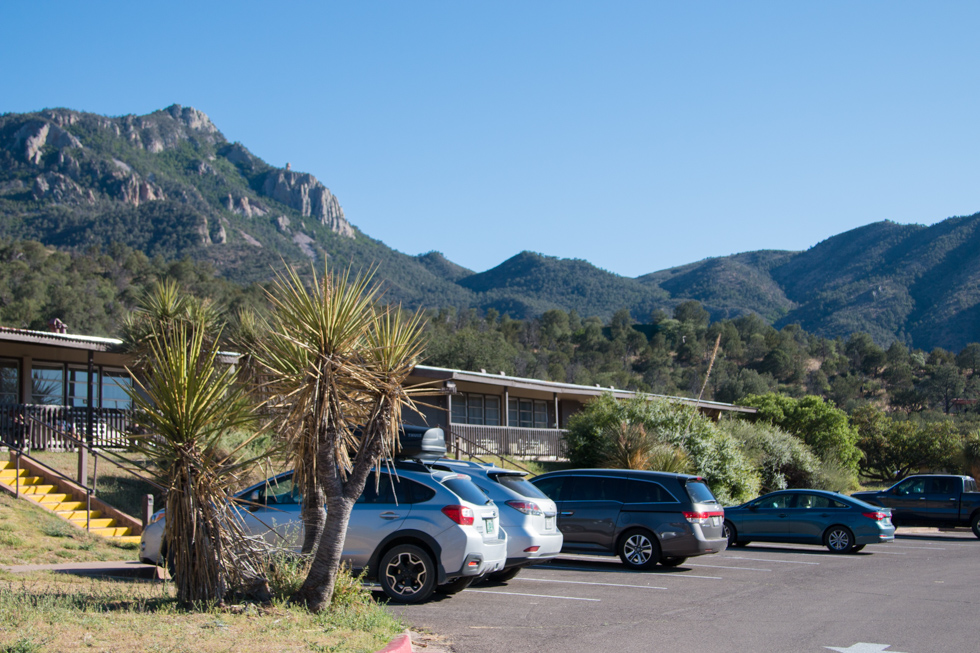
Chisos Mountain Lodge. NOT fancy but who cares?

I picked up some new birds right away in the parking lot and vicinity of our room. That made me happy!
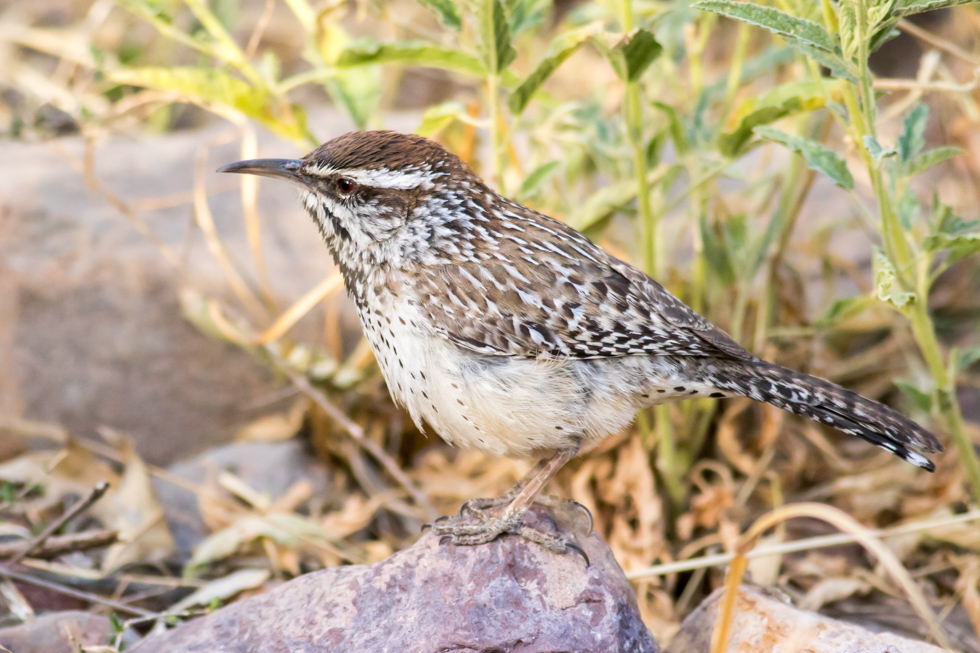
A Cactus Wren was making a ruckus right behind our room.

The next day the exploring began in earnest. During our stay in the park we visited, the Rio Grande river valley at both the east and the west ends of the park, Santa Elena Canyon, and the Chihuahuan Desert. We crossed the border into Boquillos, Mexico and had lunch and a brief tour of the small town. We hiked up into the Chisos Mountains (not too far) to experience the cooler weather and see the terrain change yet again into Mexican Pine, Oak and Juniper.
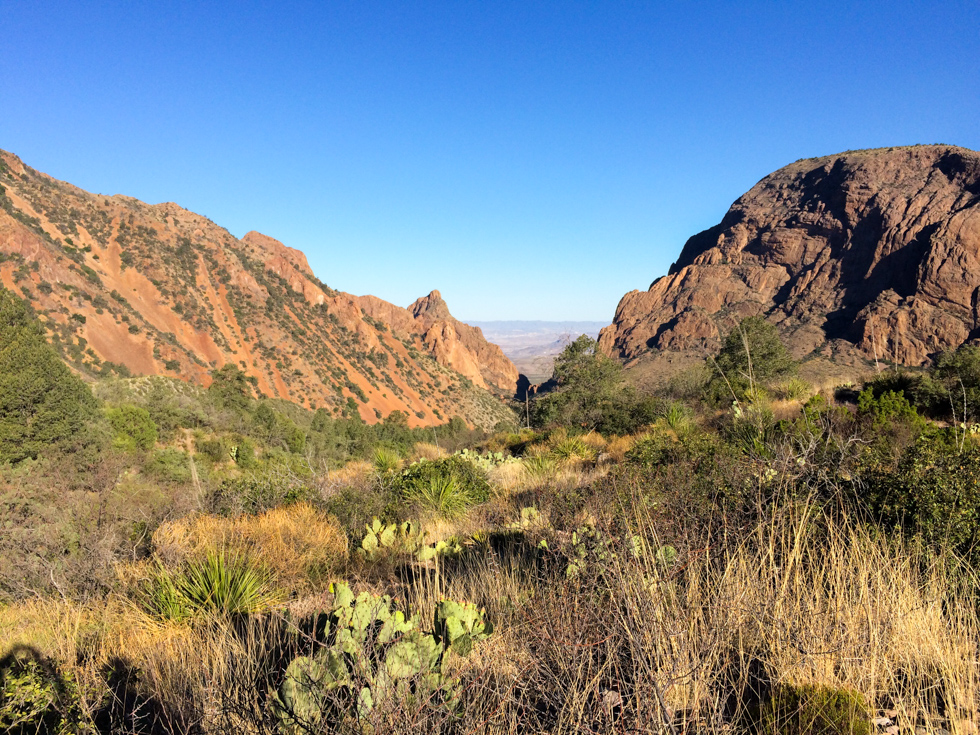
The Window, where spectacular sunsets occur.
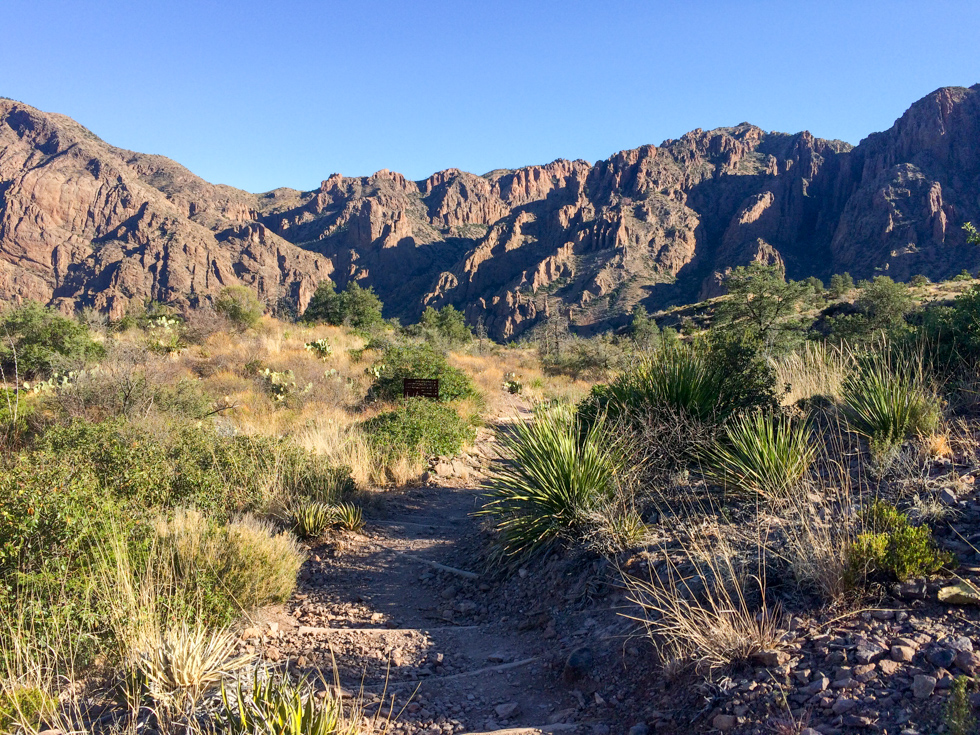
We didn’t make up to the higher peaks but even the lower elevations were lovely.
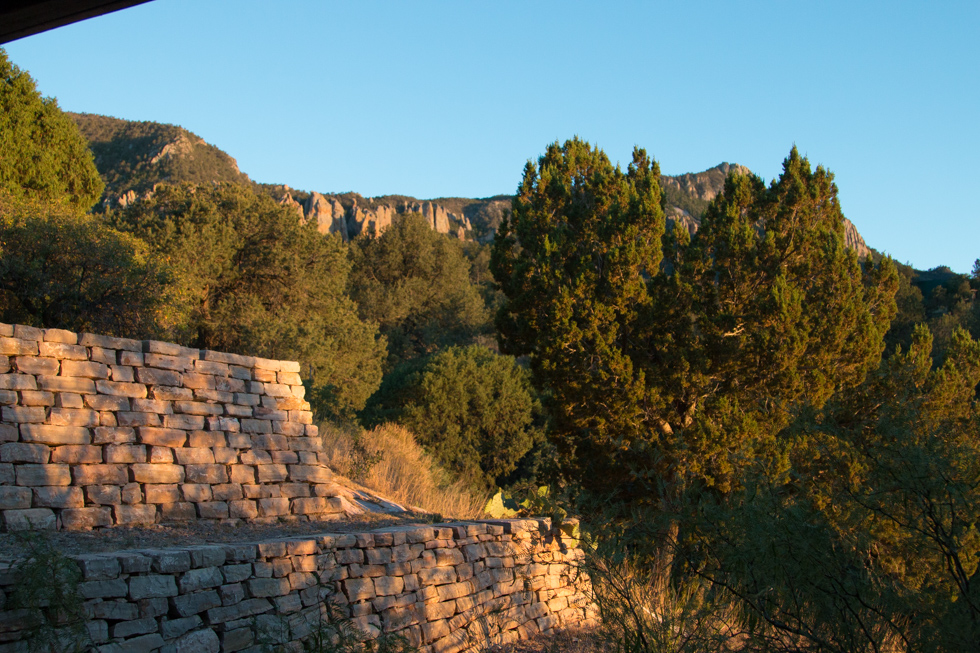
The view from our room.
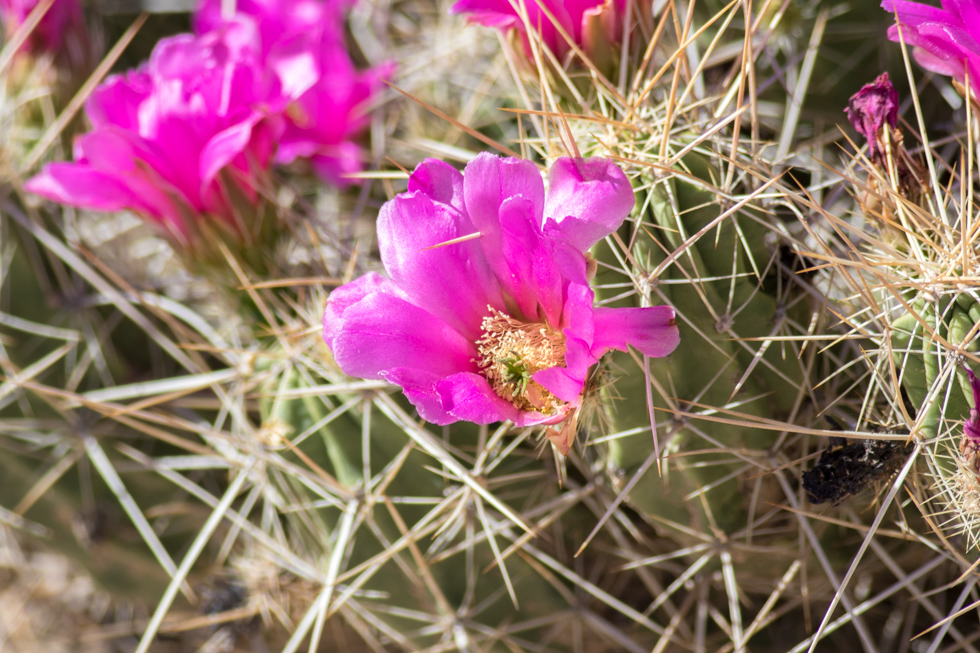
Some flowers were in bloom and added a bit of color to the monochromatic desert landscape.
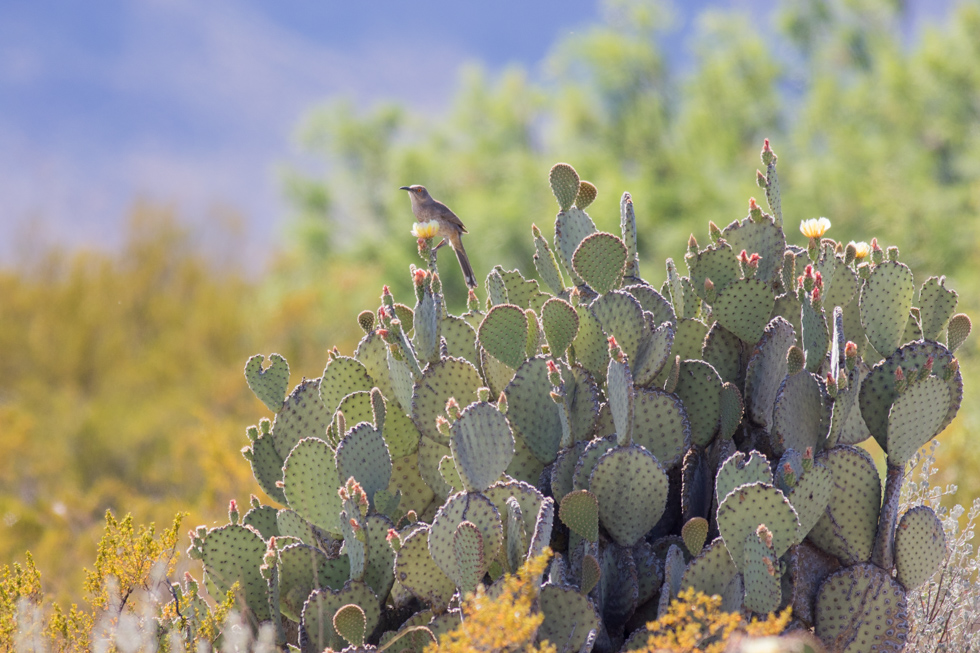
Curved-billed Thrasher
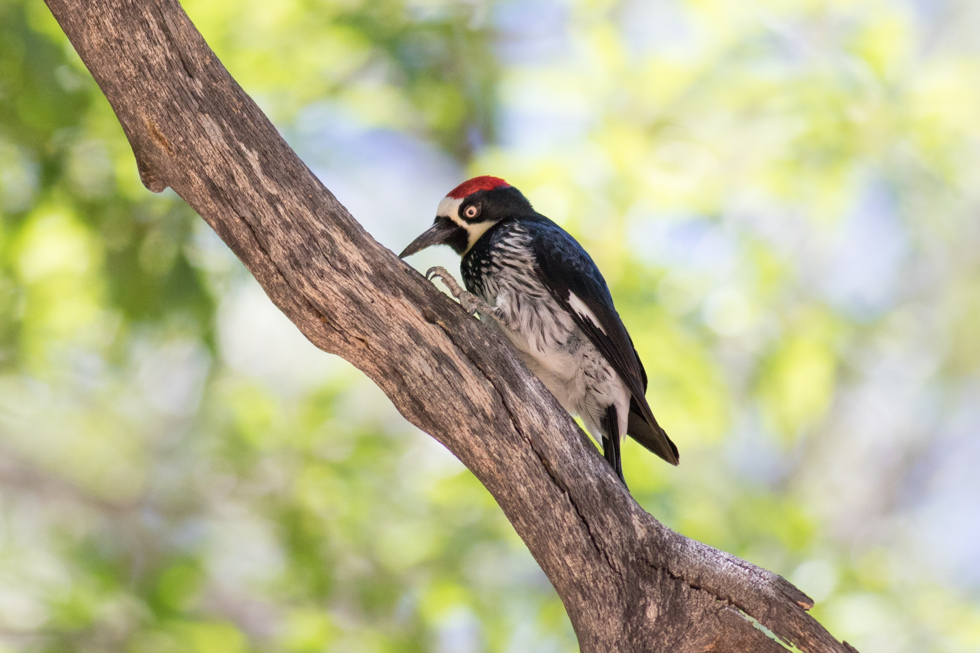
My favorite bird of the trip was the Acorn Woodpecker with its clownish face and raucous call.
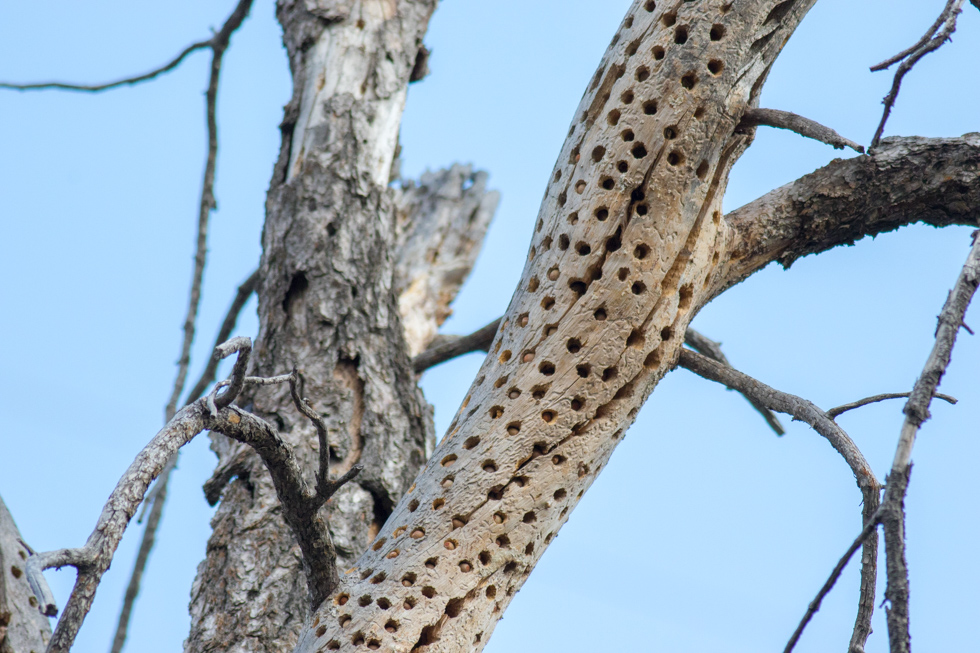
The Acorn Woodpecker drills holes and fills them, aptly, with acorns for later use.
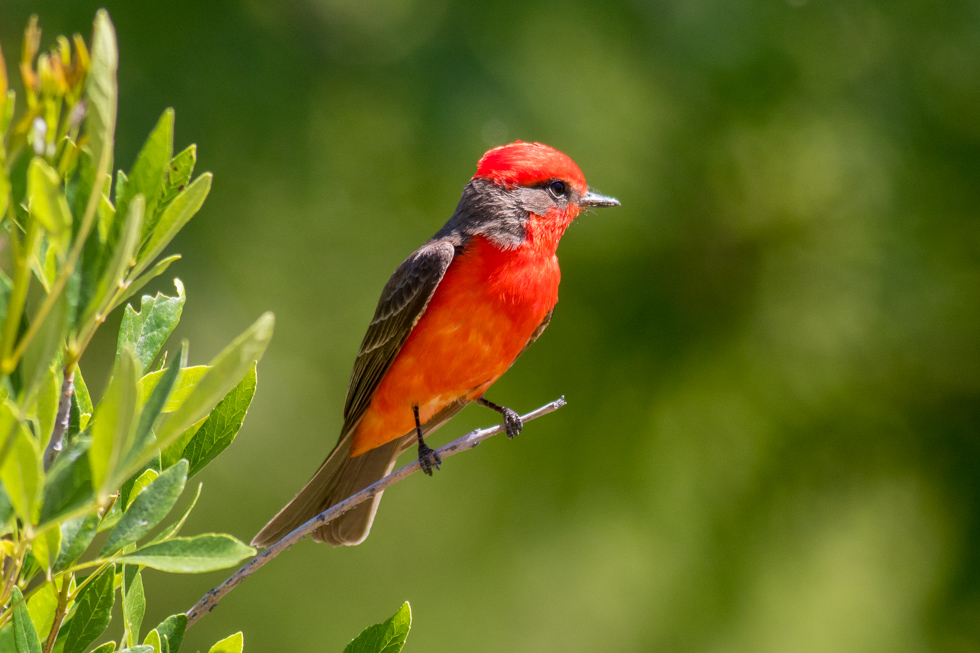
Vermillion Flycatcher. What a stunner.
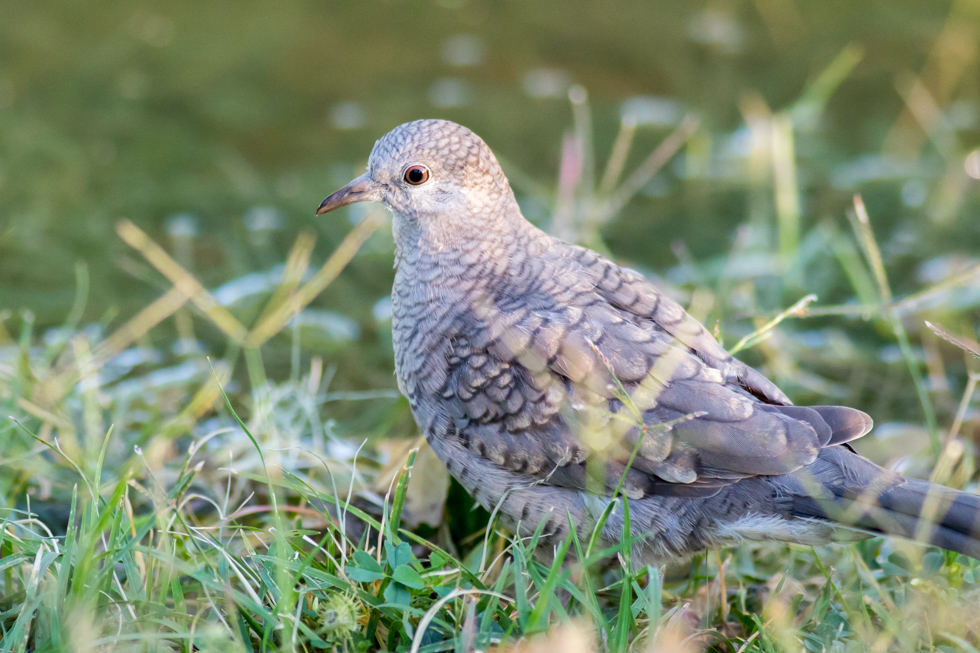
Inca Dove
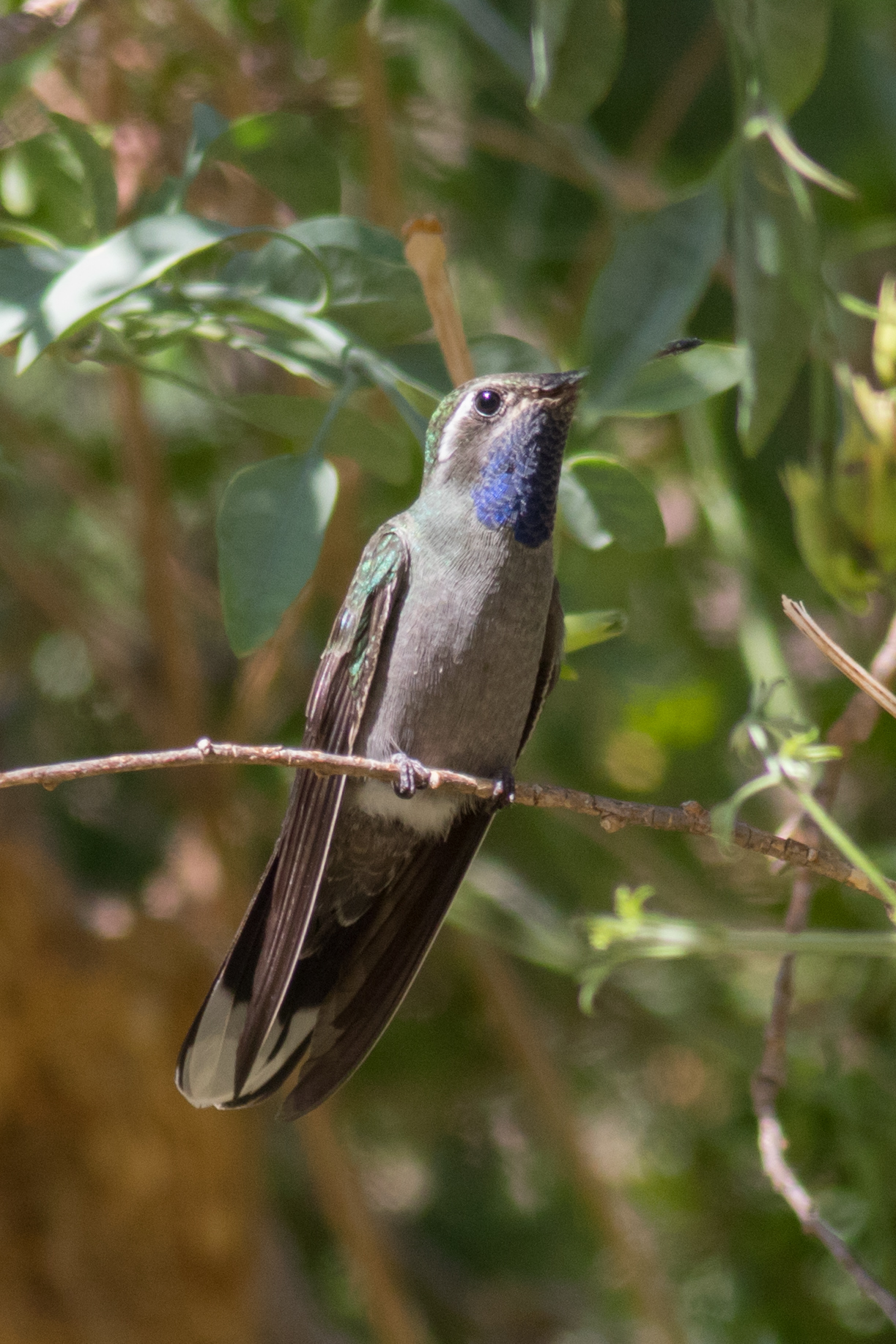
Blue-throated Hummingbird
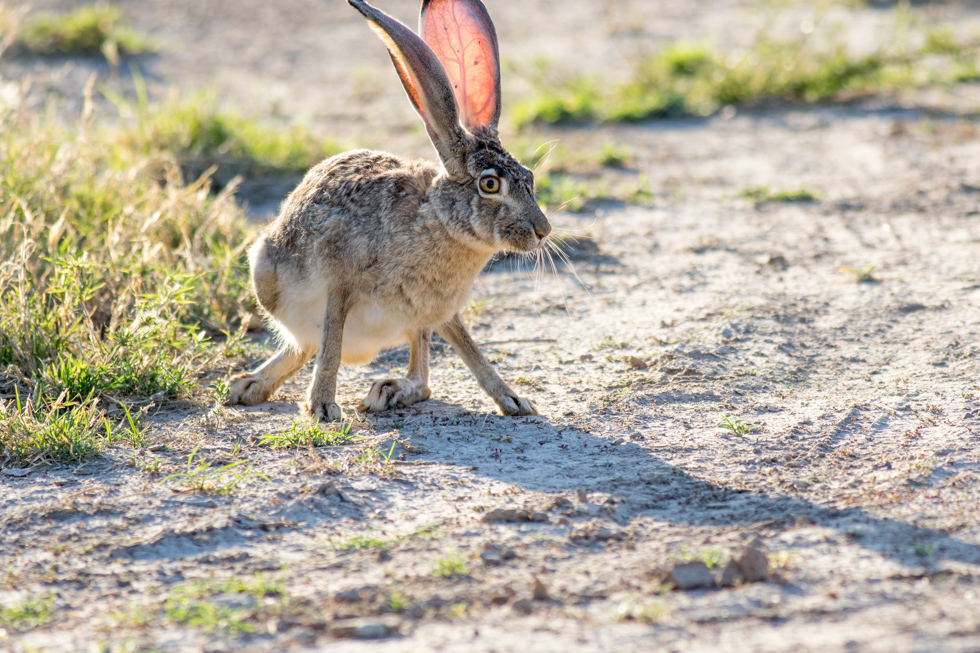
Black-tailed Jackrabbit
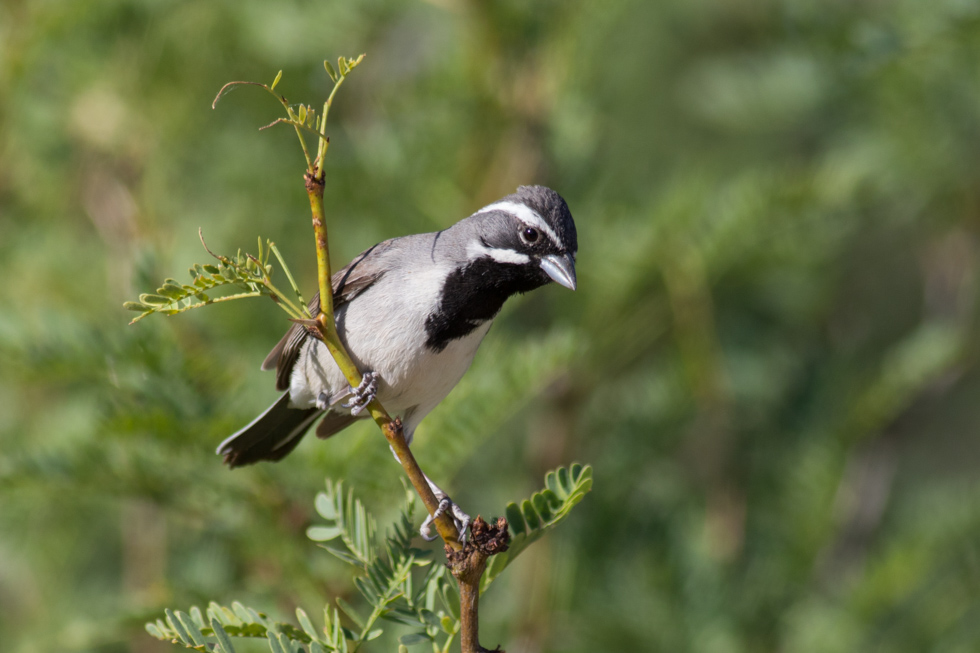
Black-throated Sparrow
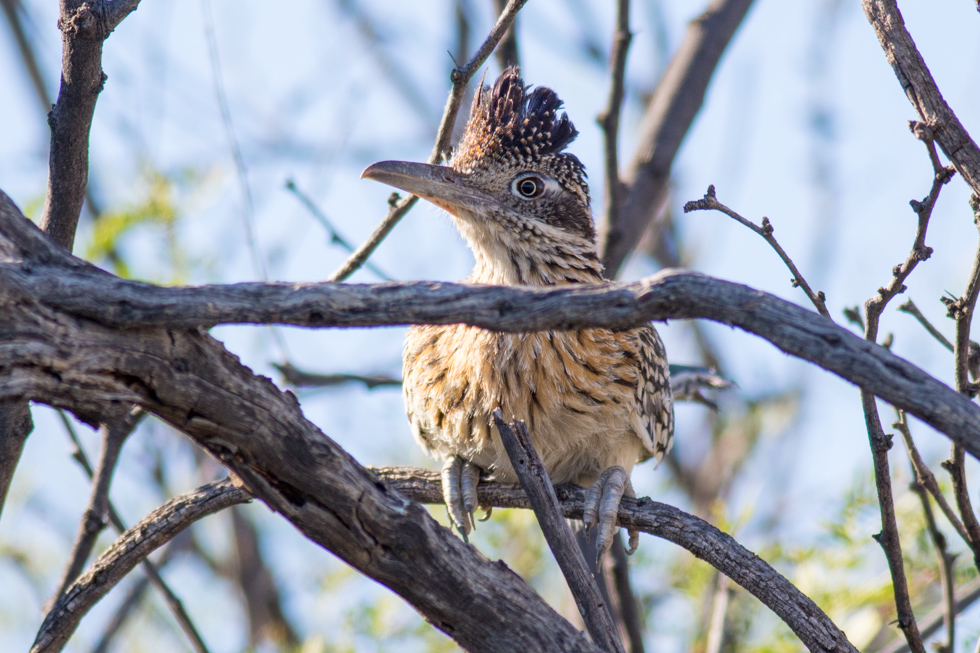
Greater Roadrunner
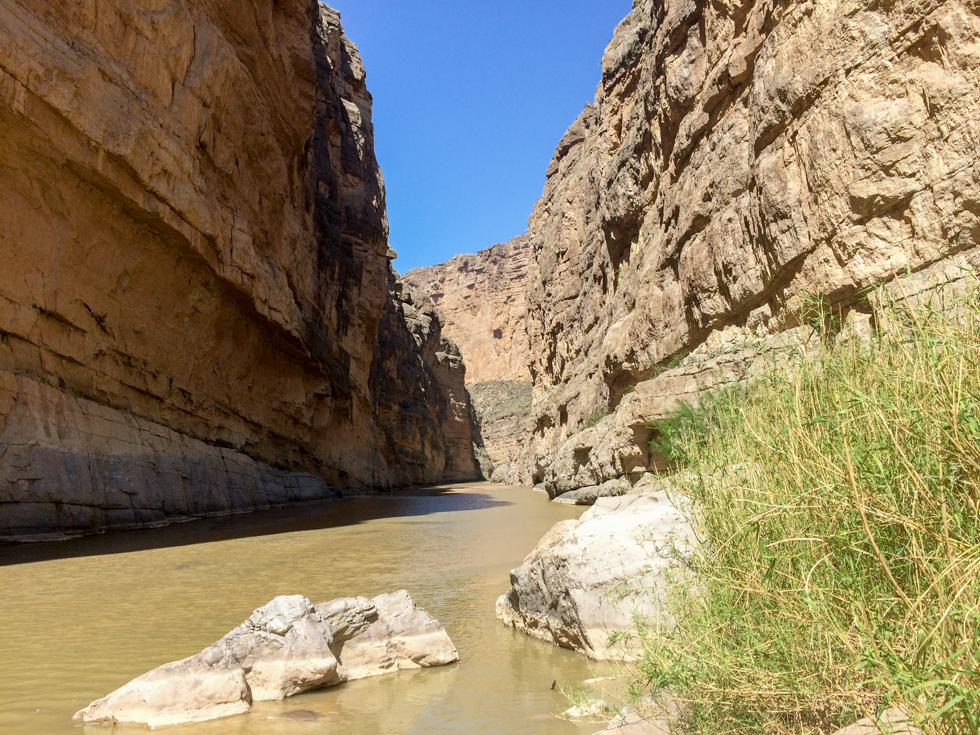
Santa Elena Canyon
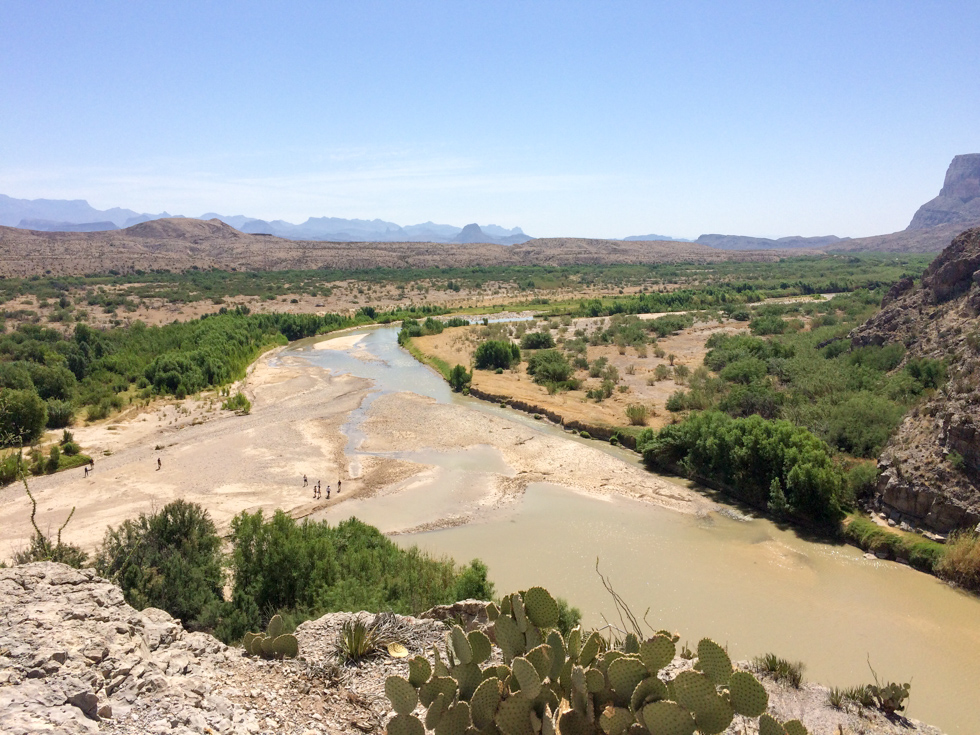
The Rio Grande as viewed from Santa Elena Canyon.
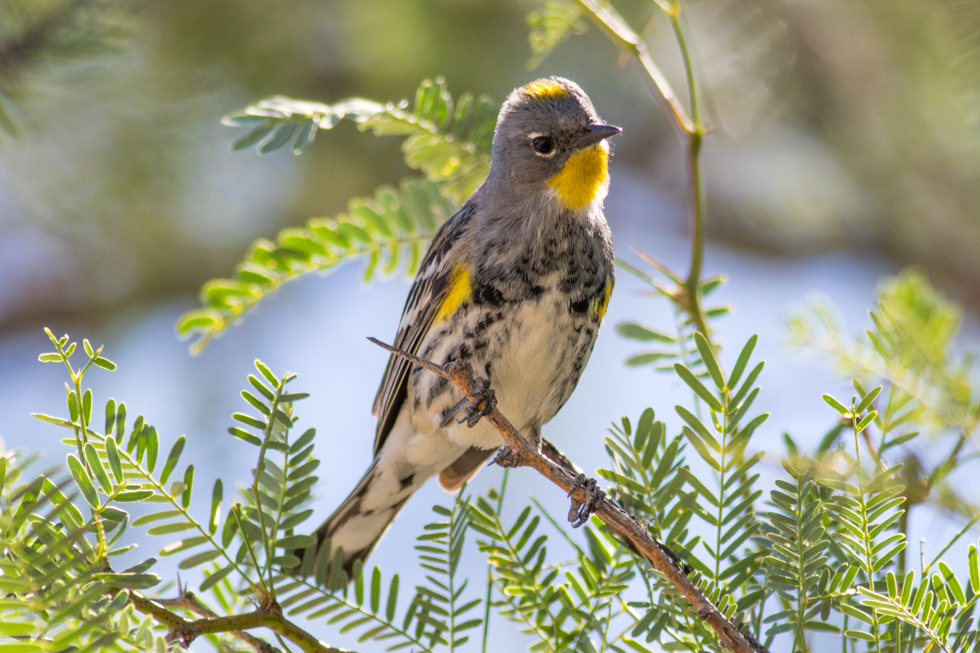
Yellow-rumped Warbler, Western Audubon variety
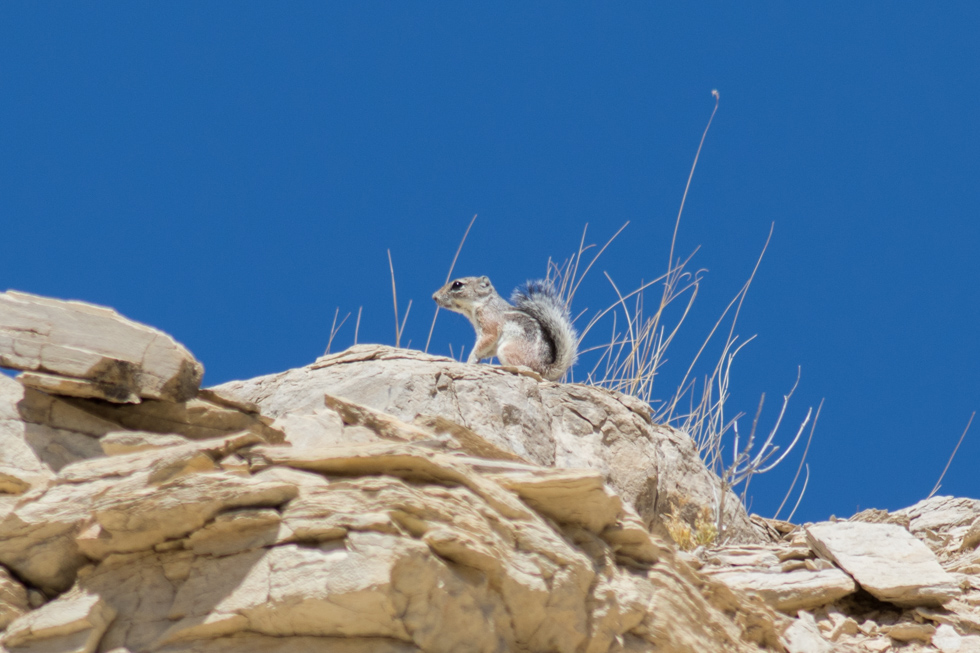
Antelope Squirrel
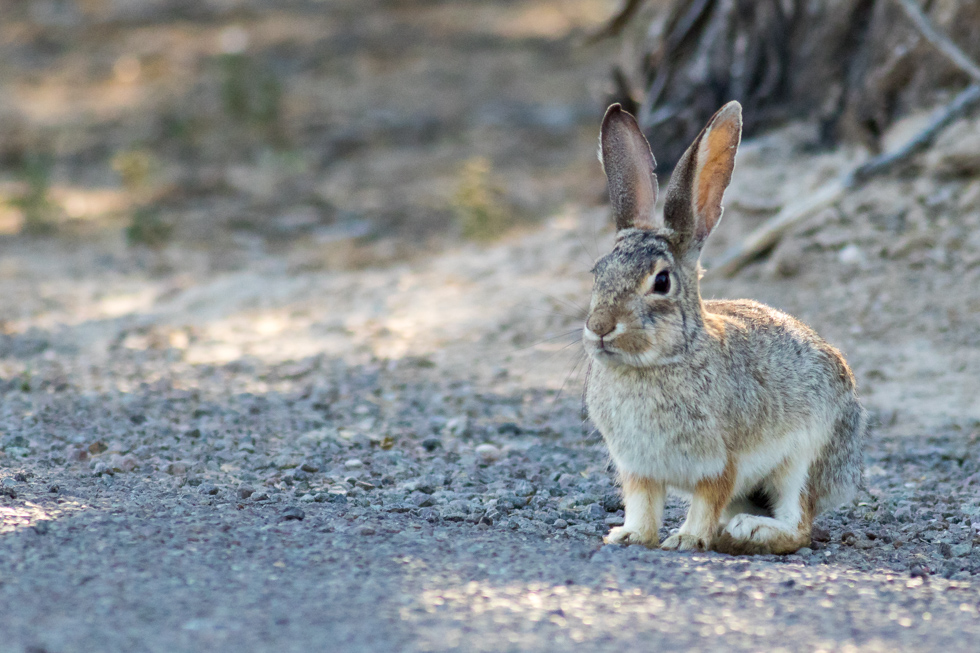
Desert Cottontail
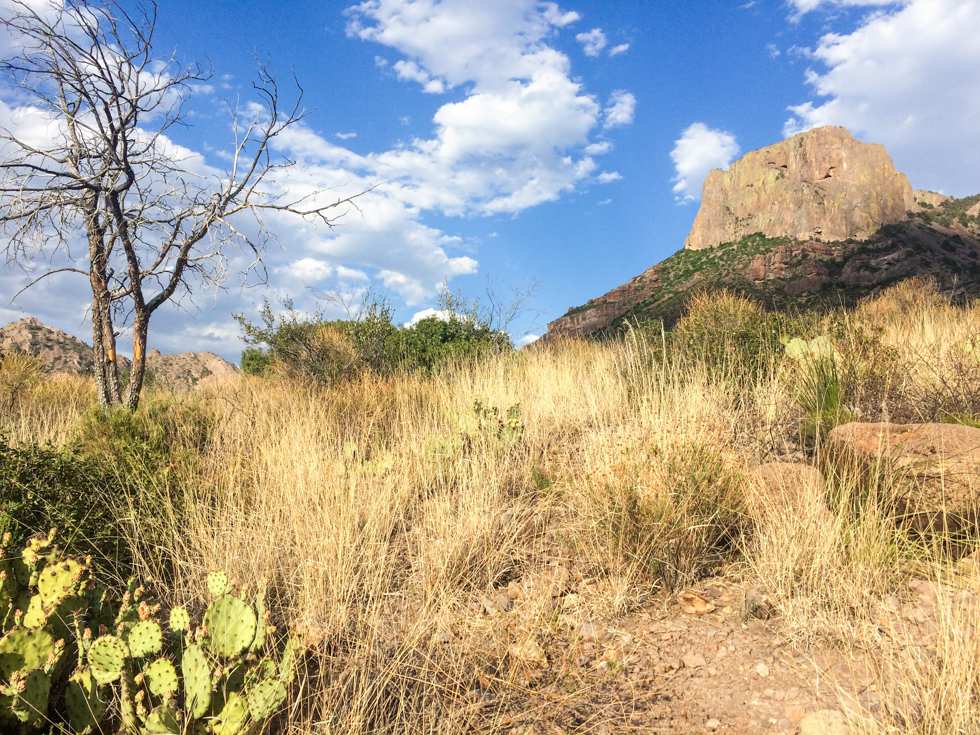
So Texas, who thought you’d be so compelling? Guess where we’re going next. Yep, back to Texas, in January. This time to the Gulf coast to explore Padre Island National Seashore and a trip back to the Rio Grande Valley to visit Santa Ana Wildlife Refuge. See you then!
Creating a Backyard Sanctuary

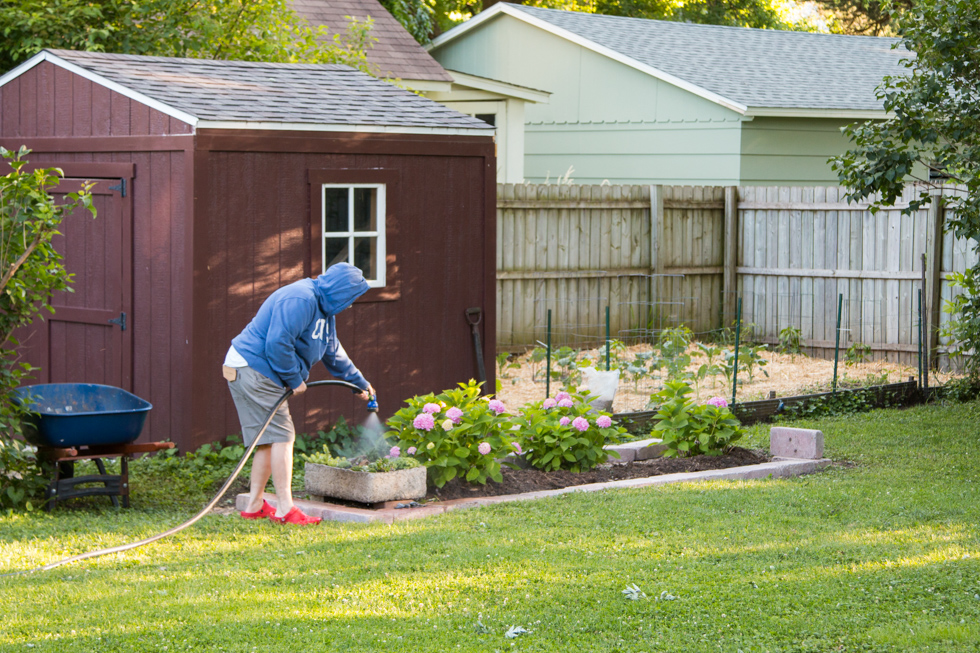
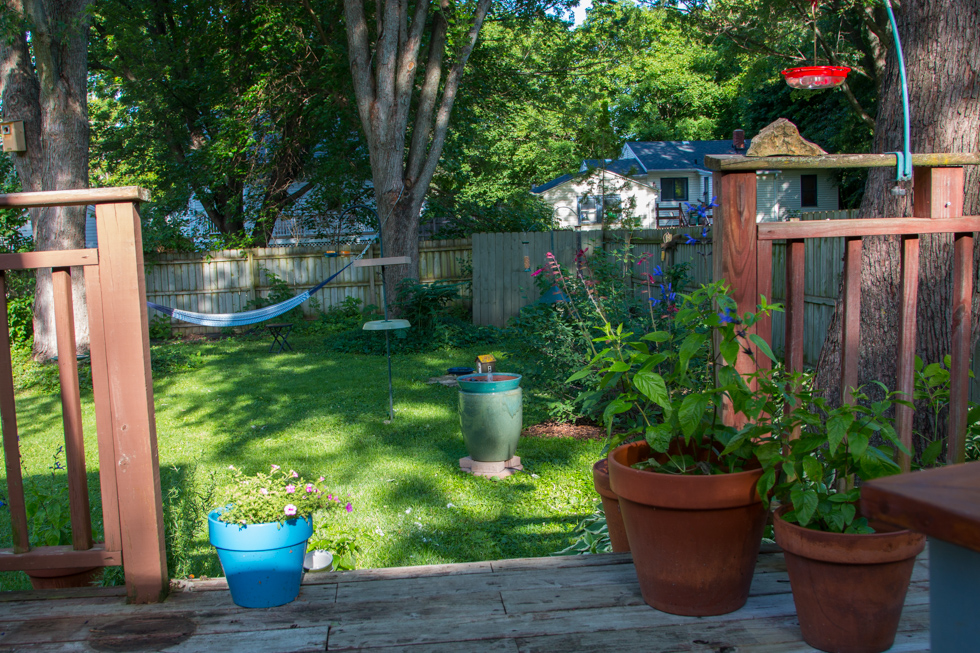
This past year, I’ve been thinking about ways to make the yard a more appealing sanctuary for birds. I’d like to attract a greater variety — not that there is anything wrong with the usual cast of characters — by planting specialized plants and adding a water feature. I have a regular birdbath but last year I made a fountain to create some moving water, that is supposed to be more attractive to birds. Last fall, we planted a Serviceberry, also known as Juneberry, as there are many species of birds that feast on the fruits. Now I’m contemplating another water feature in the yard. Not a pond but a buried reservoir that will circulate water to the surface via a pond pump. Still working out the details. At any rate, things are looking pretty good back here. It helps that we’ve had plenty of rain and sunshine to make everything look spiffy.

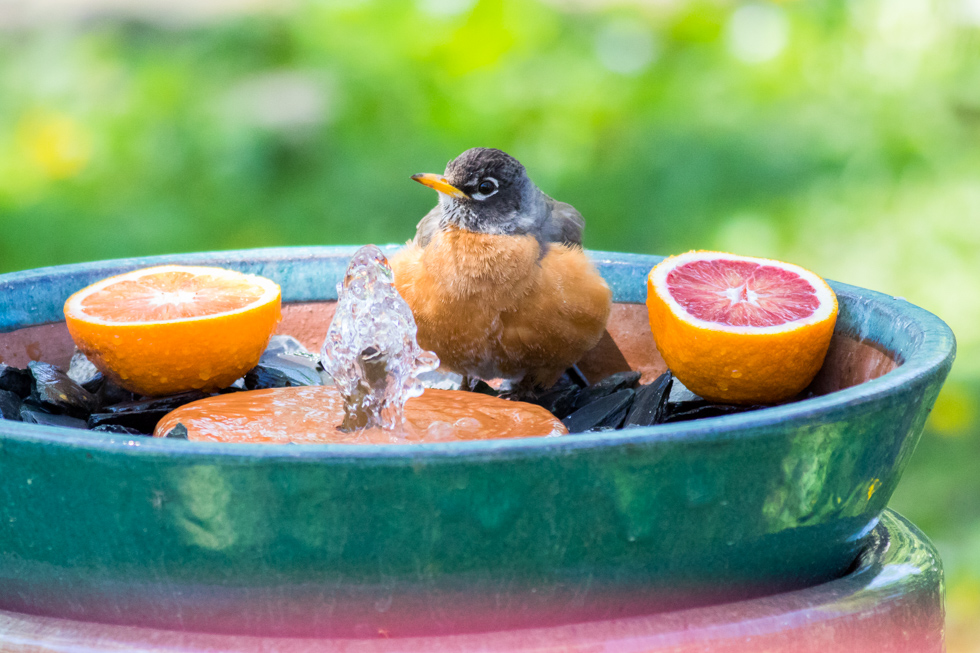
The Robins are the most frequent visitors to the fountain. The Goldfinches like it also.

We hope that allowing a bit of wildness to overtake the yard—no pesticides or herbicides—and adding plantings attractive to birds will increase visitation rates.

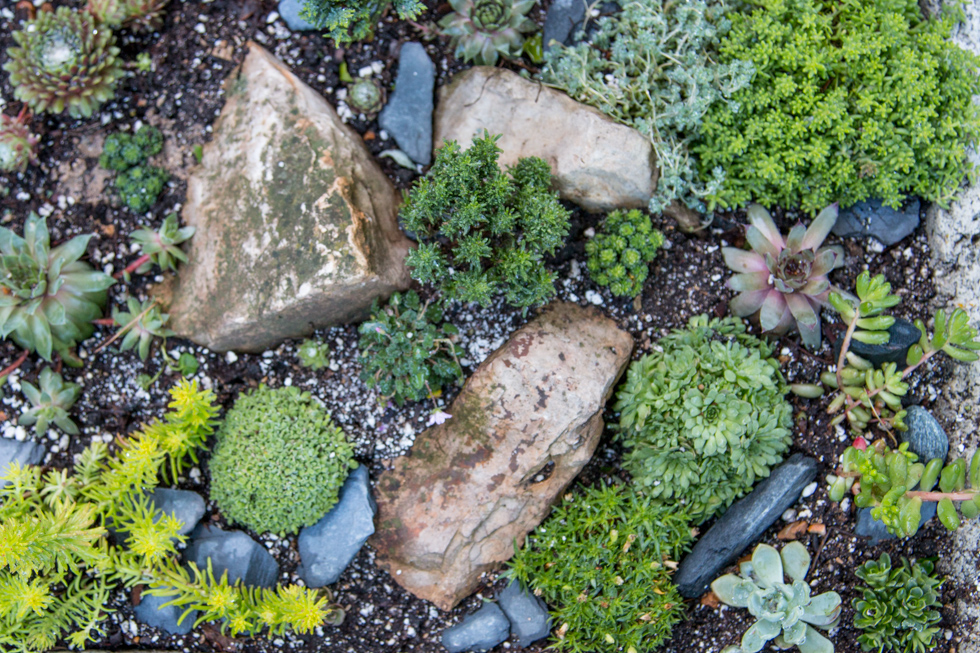
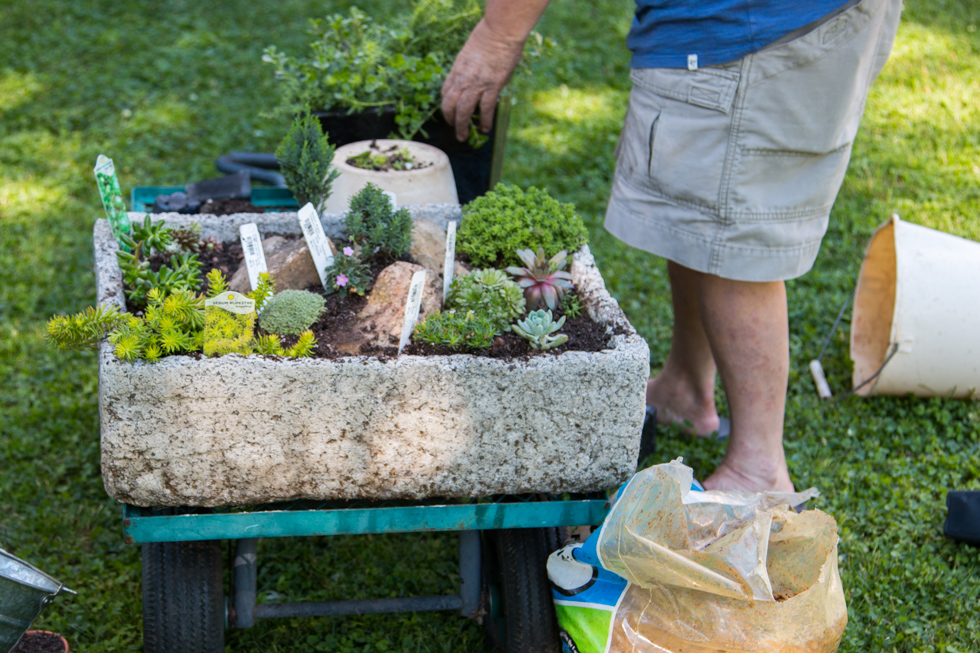
Annette has started some rock and trough gardening. I love the mini alpine plants.

Here is where the trough garden will reside for now.

A closer look at the plantings.

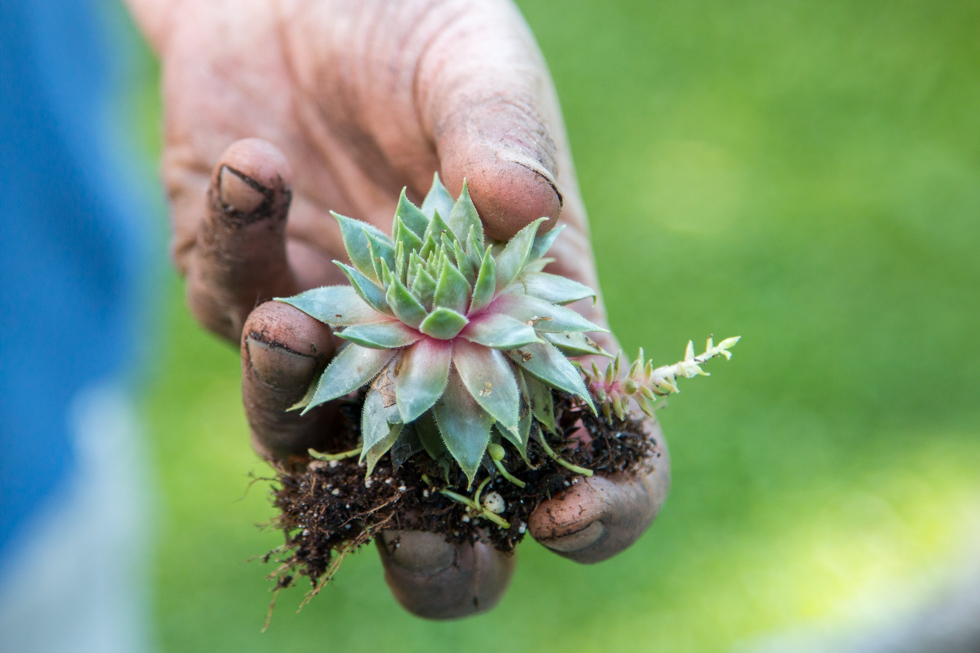
I had no idea there were so many varieties of hen and chicks (Sempervivum) succulents.

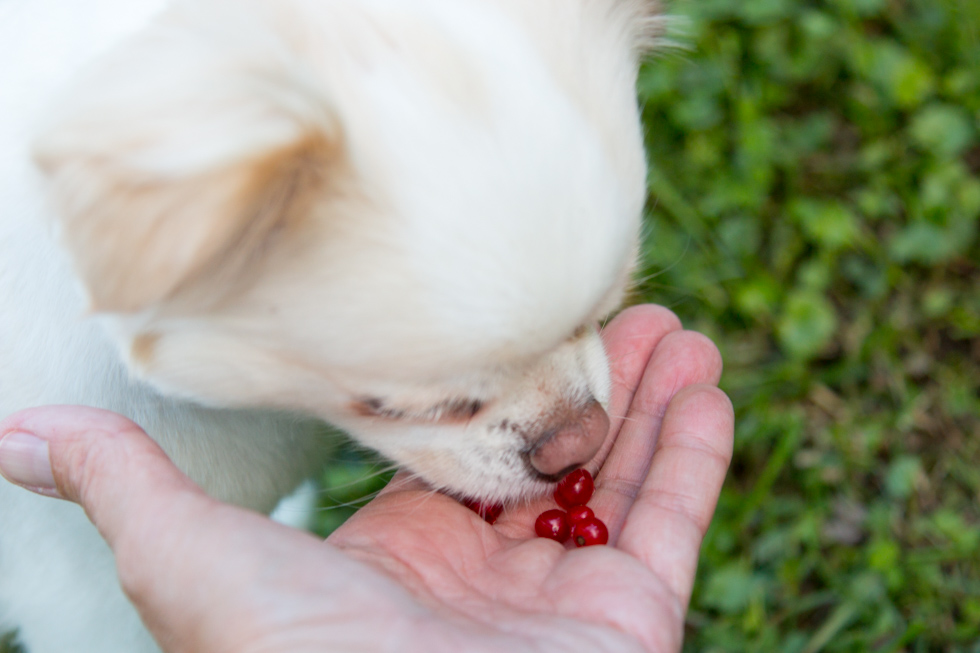
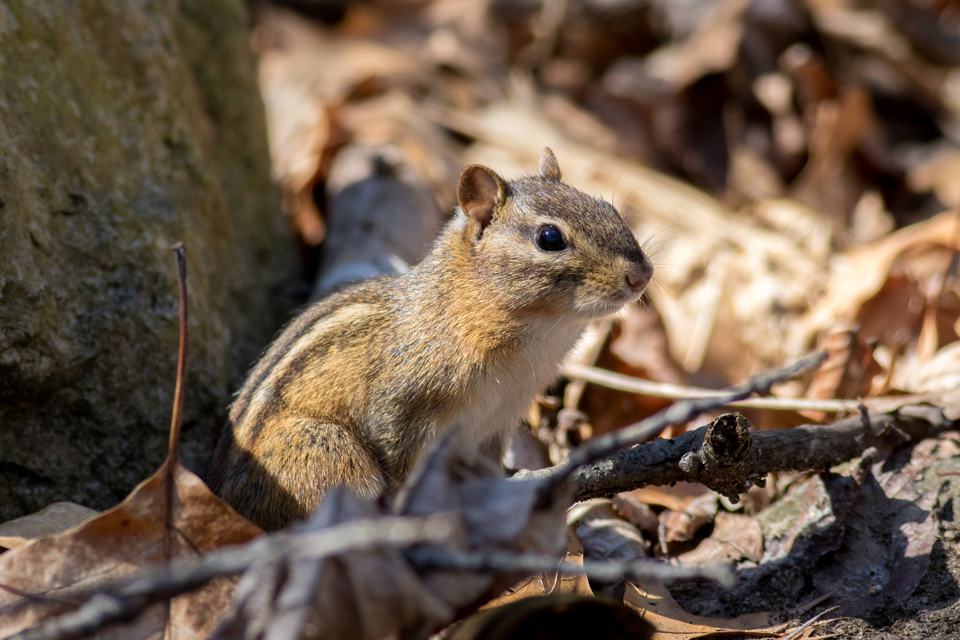
The three currant bushes don’t seem to attract birds but someone else finds them tasty.

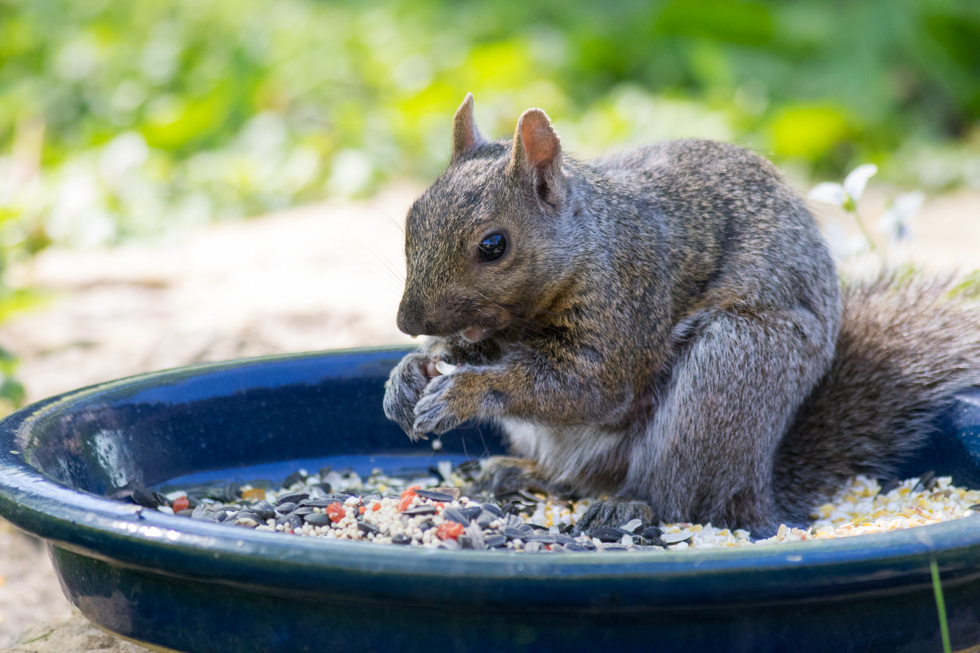
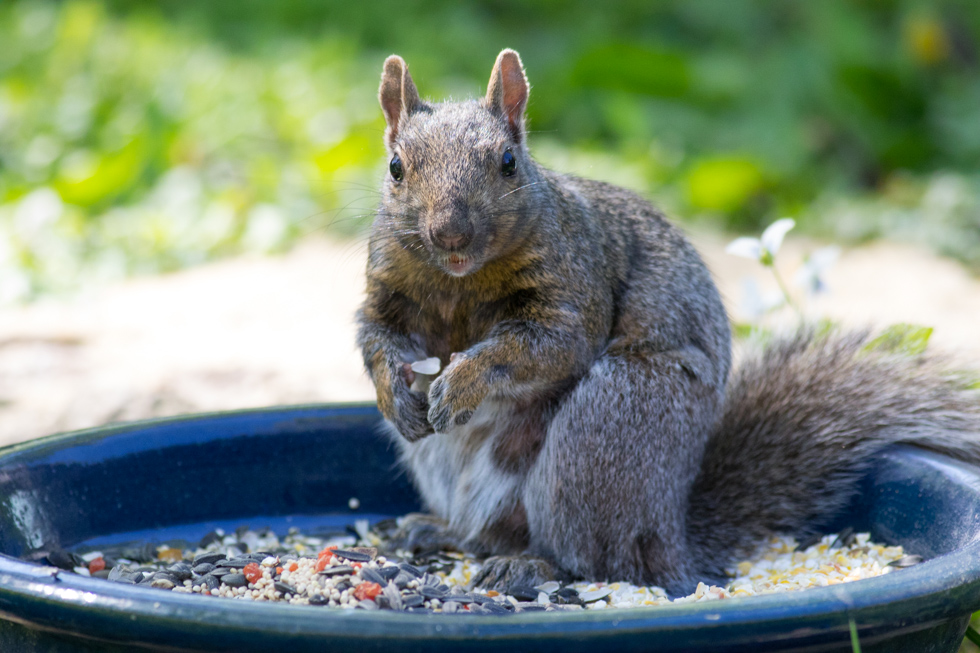
Squirrel snacks. They don’t know how lucky they are.

This is delicious.

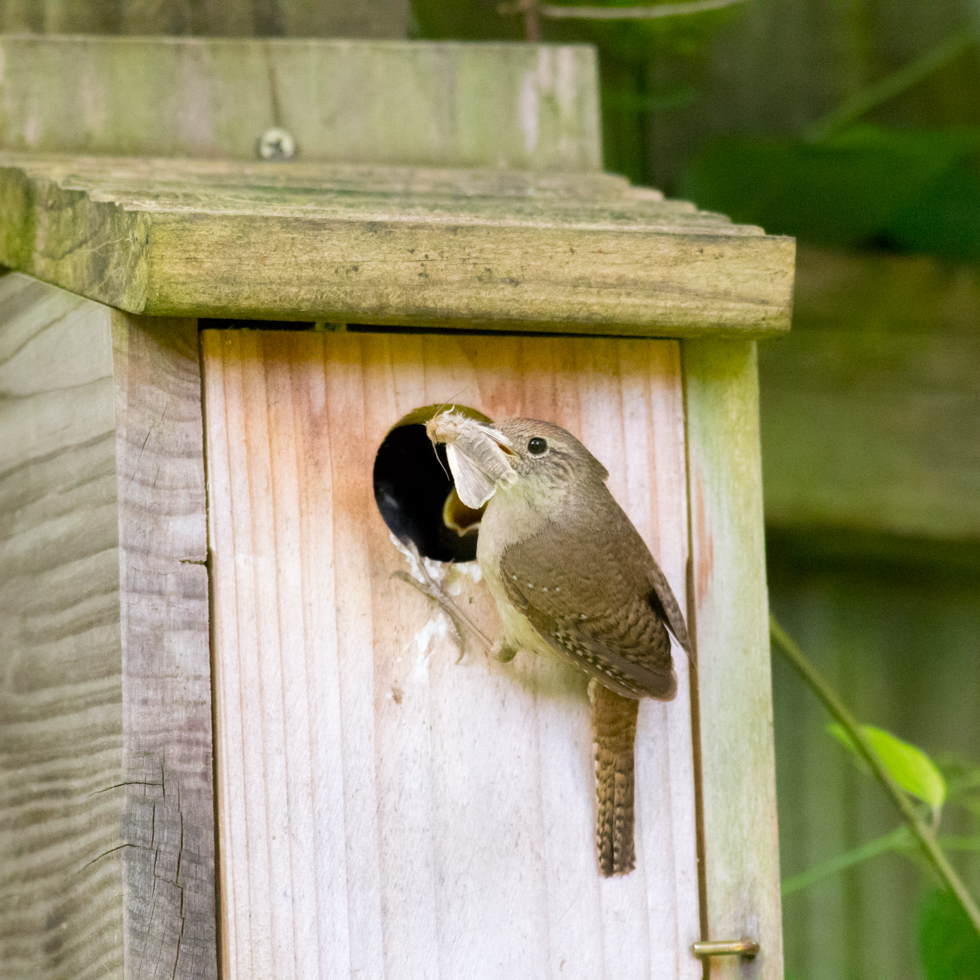
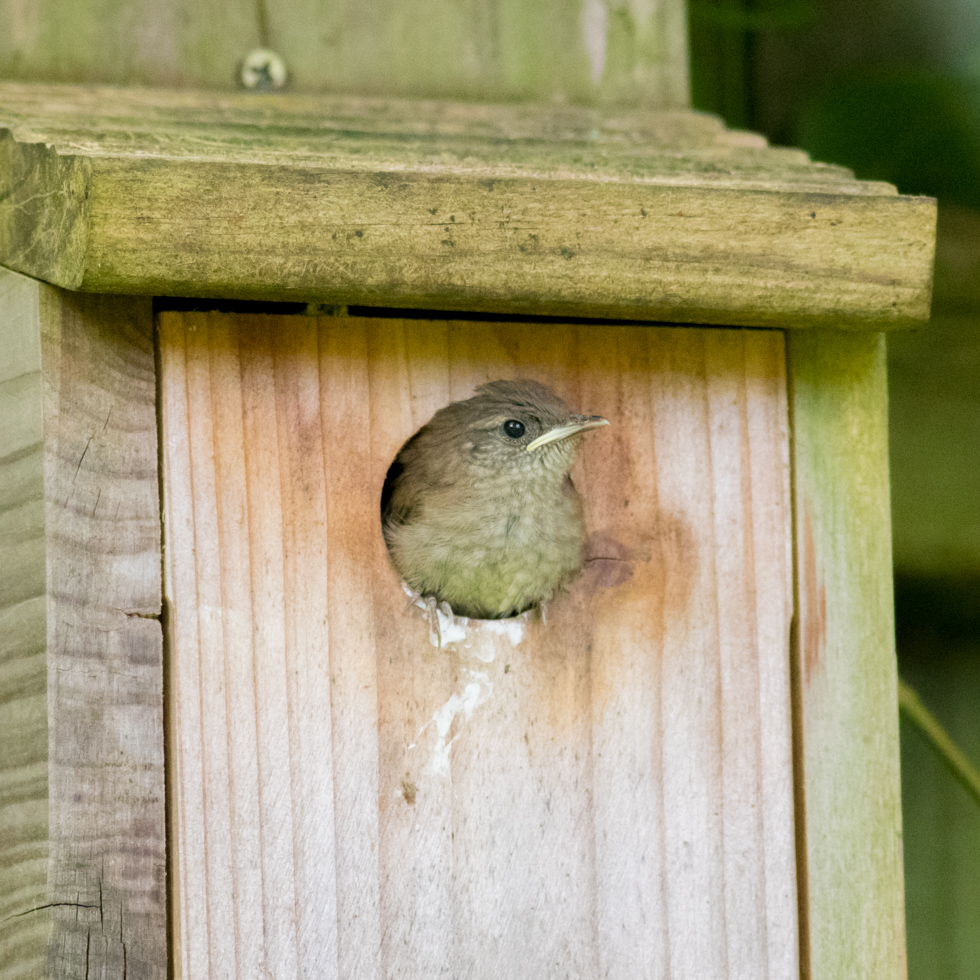
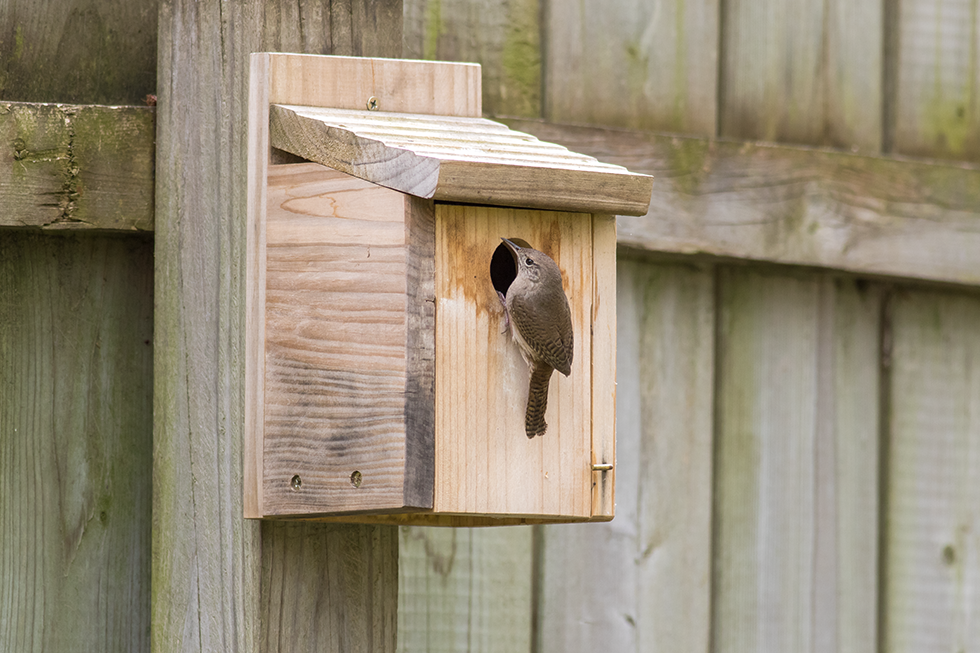
This past week our wrens fledged 4 youngsters. The nest failed last year so we were happy to see the brood do so well this year. The variety of bugs that the parents provided was astounding—moths, grubs, spiders and beetles.

It started getting crowded in the box and then, the leap happened. They now are living in the lilac bushes and mom and dad are starting to visit the nest box again. I think they’ll likely raise a second brood.

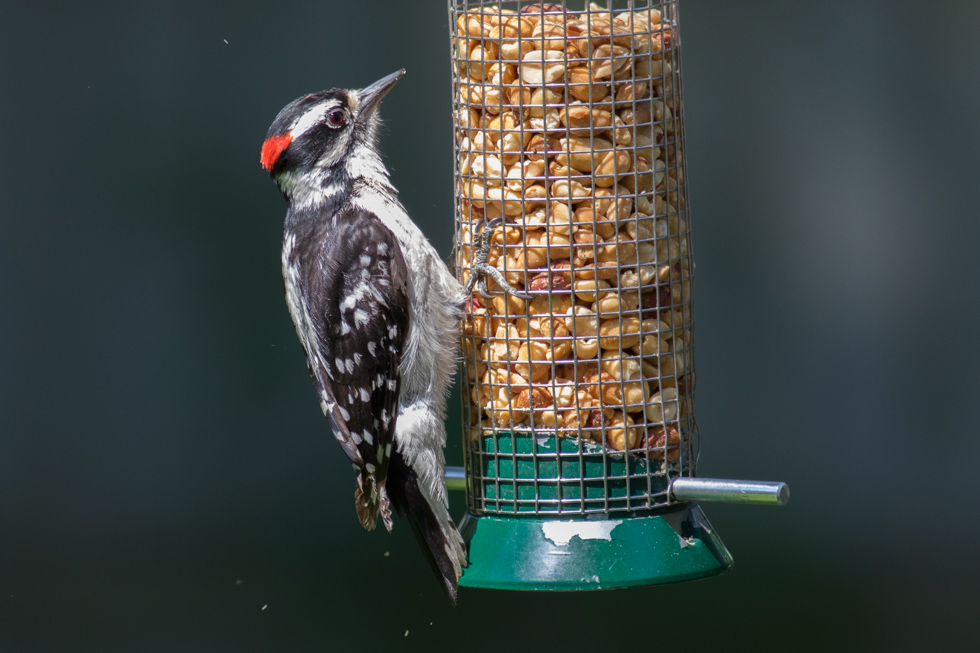
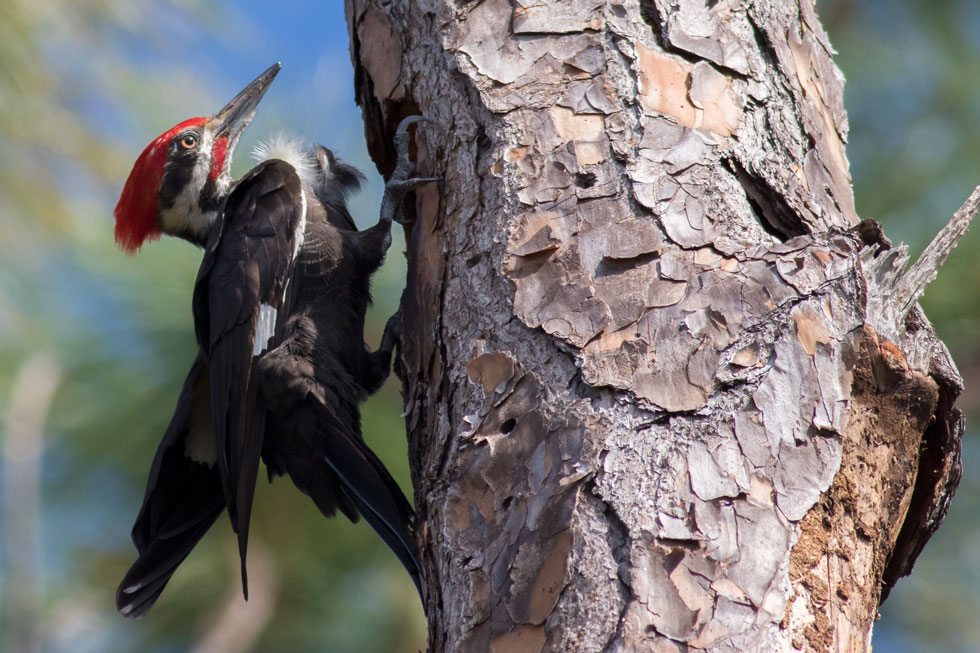
The woodpeckers are also bringing young to the feeder now. This is dad.

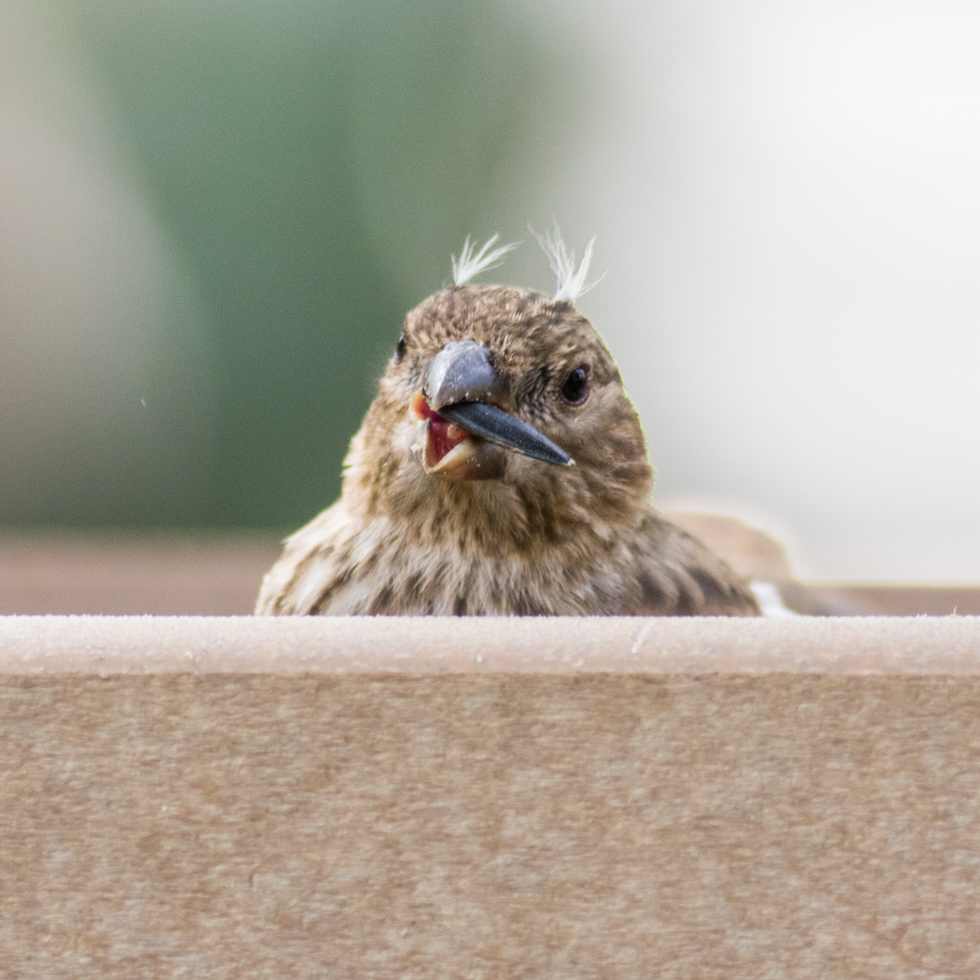
This juvenile House Finch still has some baby feathers.

And last this little video of a fledgling Robin that I came across this morning. Very hungry and very persistent little individual. It was one of 3 but the other two were still in the nest. This little one had its own idea of where it wanted to be!


Everglades National Park is AMAZING. Go there.

As part of our National Parks tour, and as a way to escape the Wisconsin winter if only briefly, we hopped a plane for south Florida last Tuesday, January 24. Our main objective was to visit Everglades National Park, but soaking up some sunshine was pretty high on the list too. And of course, birding. On all counts, the trip couldn’t have been nicer. We enjoyed every minute of it. The weather was perfect, the park was beautiful and uncrowded and we saw some pretty amazing things. First a little information about the park: Everglades National Park is a U.S. National Park in Florida that protects the southern 20 percent of the original Everglades. In the United States, it is the largest tropical wilderness, the largest wilderness of any kind east of the Mississippi River, and is visited on average by 1 million people each year. It is the third-largest national park in the lower 48 states after Death Valley and Yellowstone. It has been declared an International Biosphere Reserve, a World Heritage Site, and a Wetland of International Importance, one of only three locations in the world to appear on all three lists. If you ever get a chance to go here, take it. You won’t regret it.

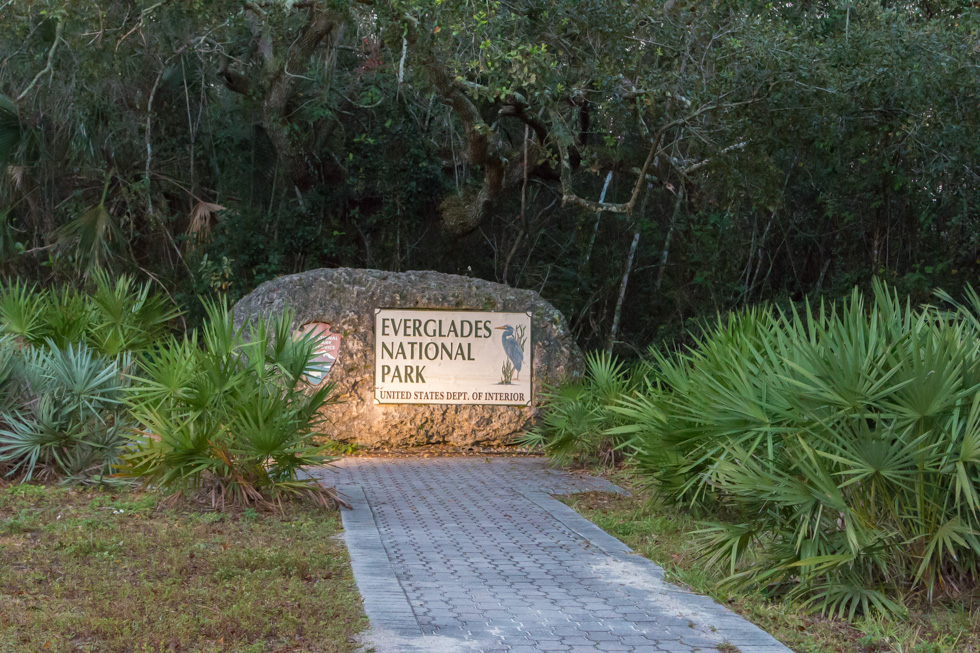
Welcome to Everglades National Park

The park covers 1,508,538 acres! Much of it is only accessible by boat. A 38 mile long road runs from the park entrance to the coast. I’ve outlined it in yellow on the map. There is a northern road that runs east/west but we didn’t have time to drive it. Next time.

We spent 2 full days in the park. It was uncrowded and we took our time meandering down the road to Flamingo, the end of the line at the coast, stopping along the way to hike and slamming on our brakes for birds of all kinds. Flamingo hosts a Marina, Ranger Station and campground. One can rent canoes and paddle canoe trails amongst the mangroves or take a boat tour out along the coast or up Flamingo Canal.

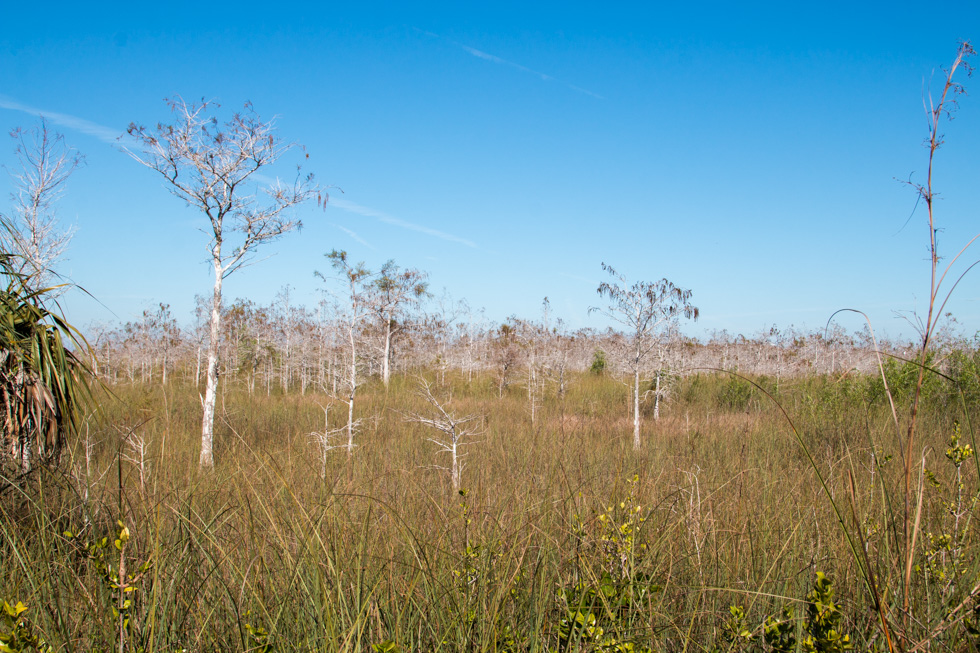
As you drive through the park, you encounter some very interesting and vastly different ecosystems; Freshwater sloughs and wet prairies, hardwood forests called hammocks, pineland, covered exclusively by slash pine, as well as cypress and mangrove.

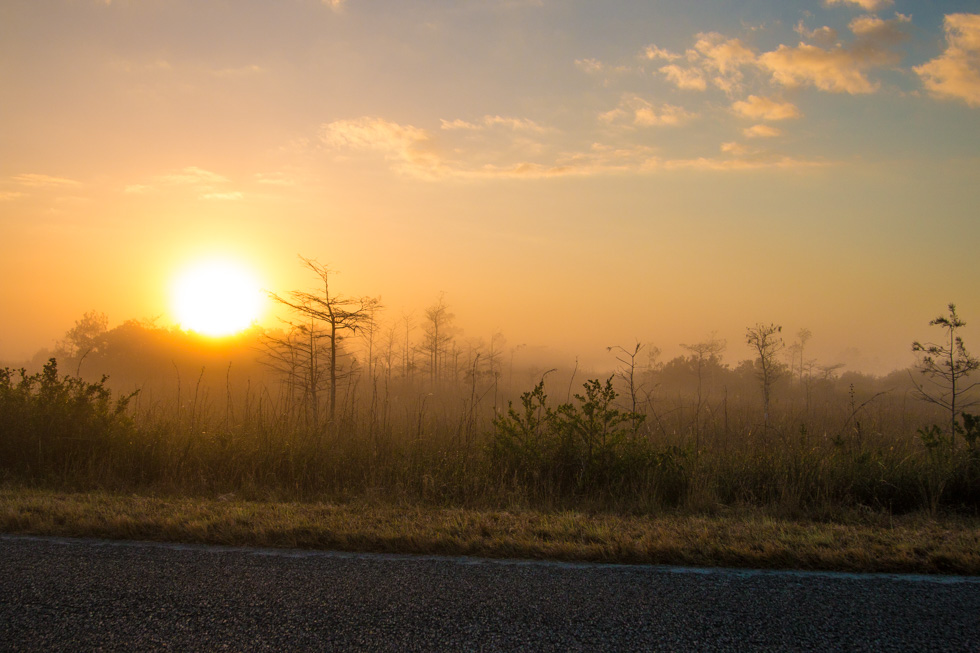
Sunrise over the sawgrass prairie.

Bald Cypress stand. Cypress is deciduous so they look dead this time of year.

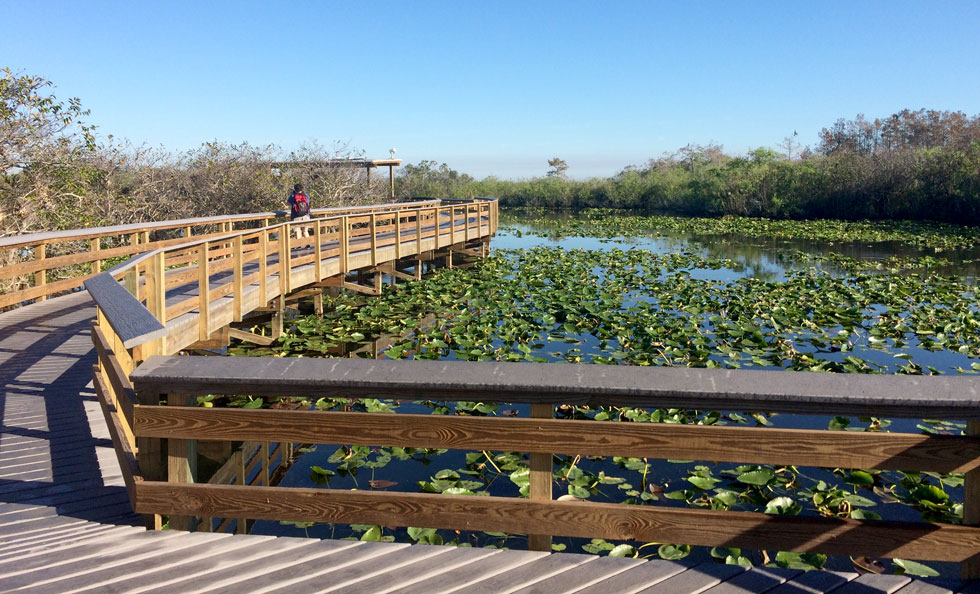
One of the very best places to get up close to birds and Alligators is on the Anhinga Trail, a boardwalk through the swamp at the Royal Palms visitor center.

Anhinga Trail Boardwalk

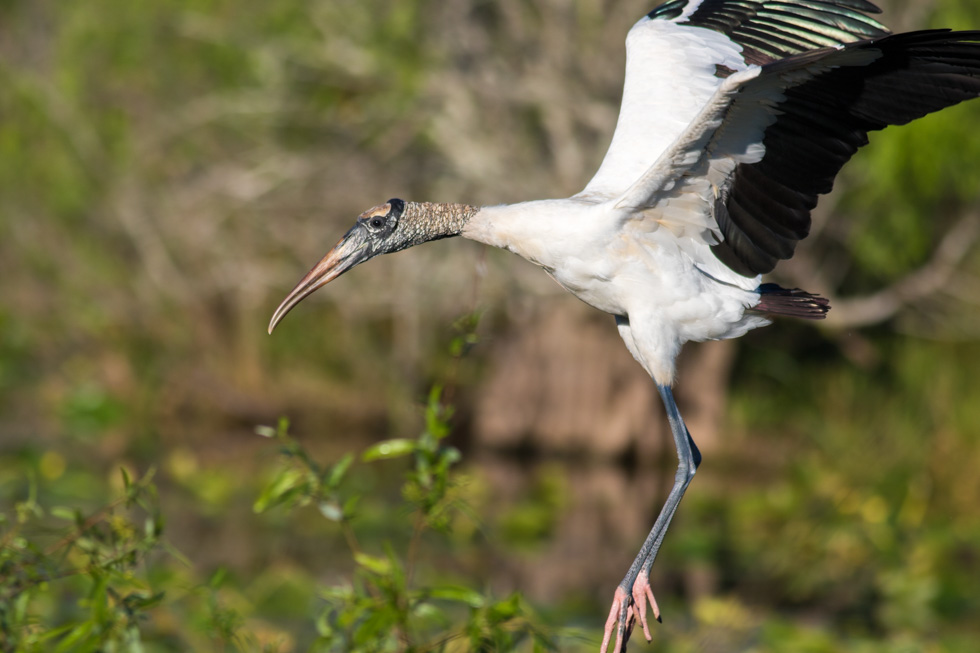
This Woodstock is one of the birds I really wanted to see and lucky for us, we got to see one up close.

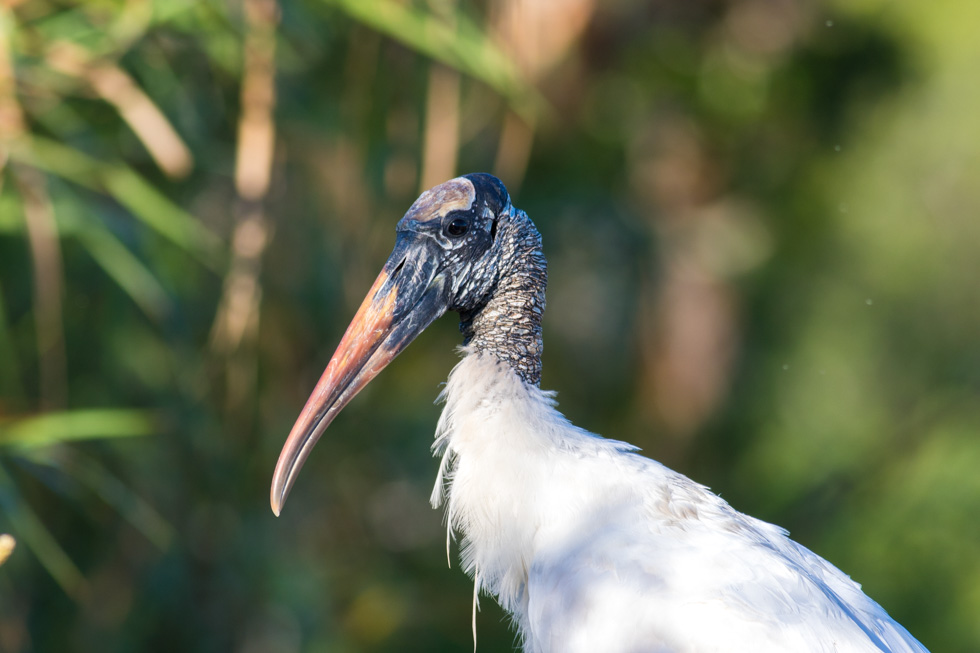
The skin on the head is amazing; very reptilian.

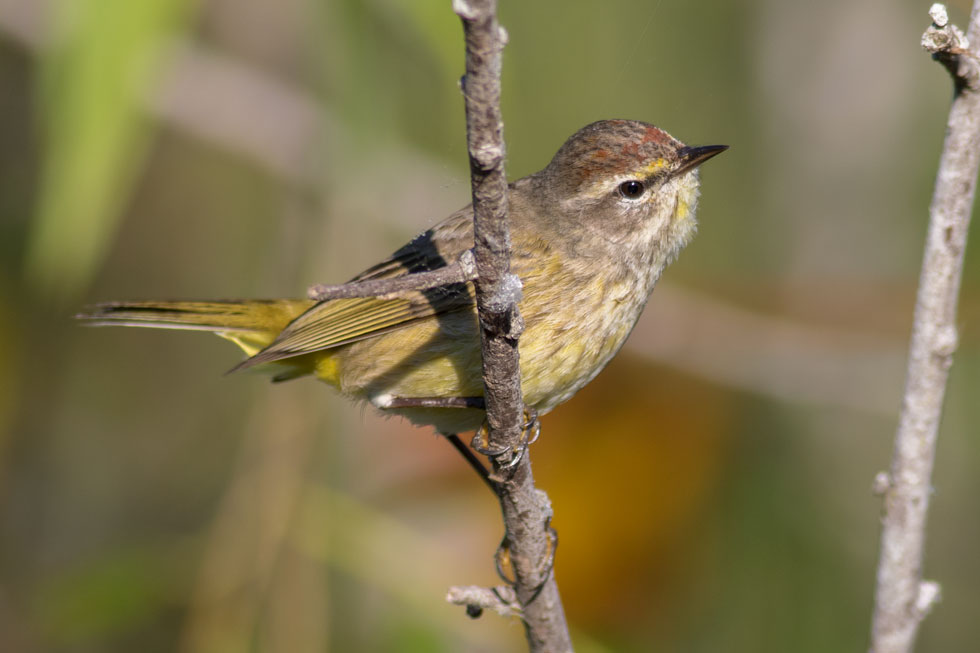
Palm Warbler

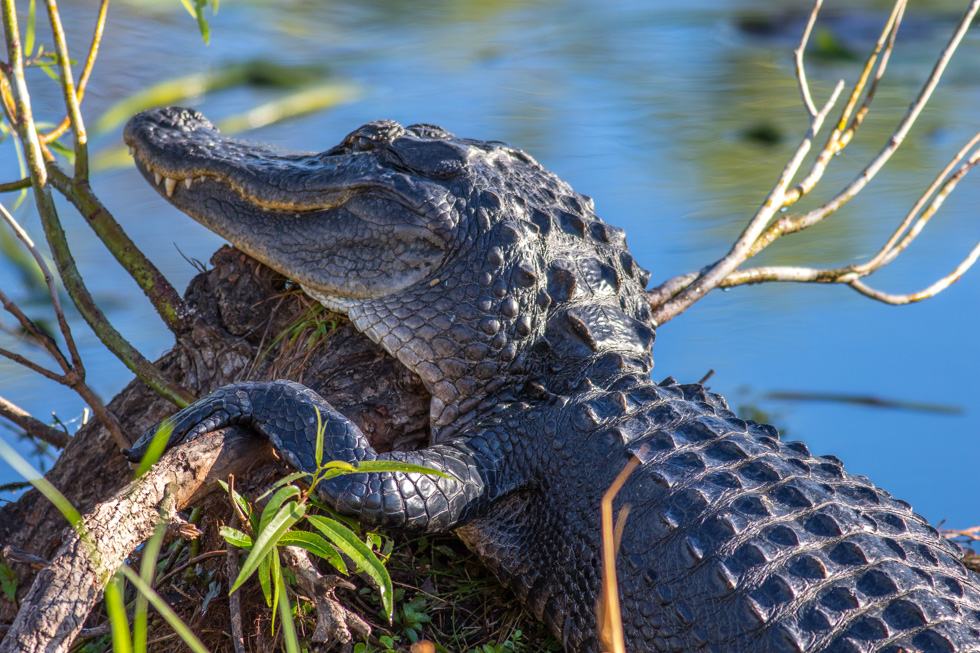
Lots of these guys lying about.

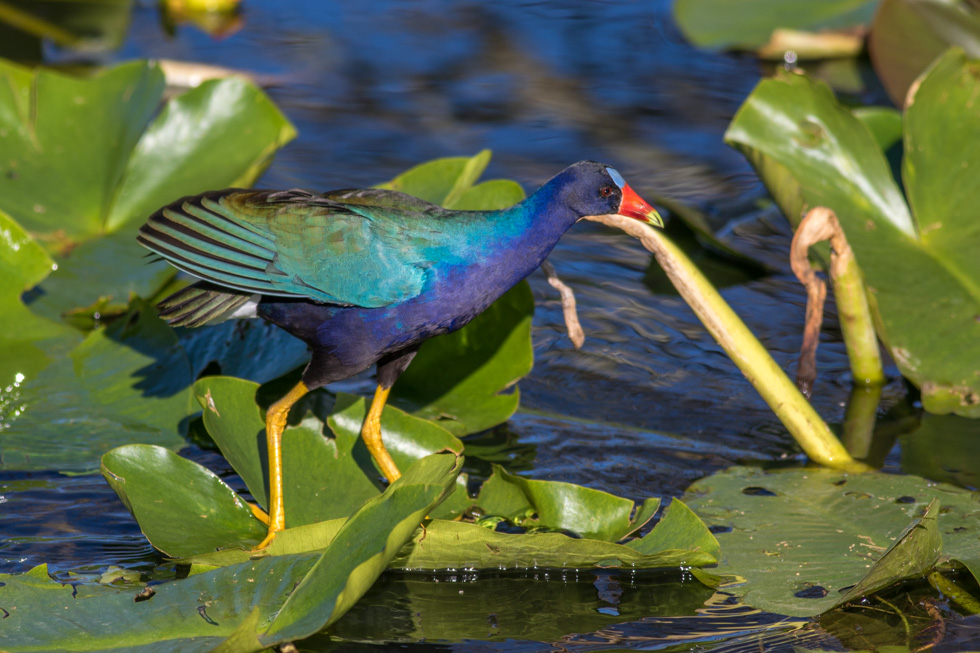
Purple Gallinule

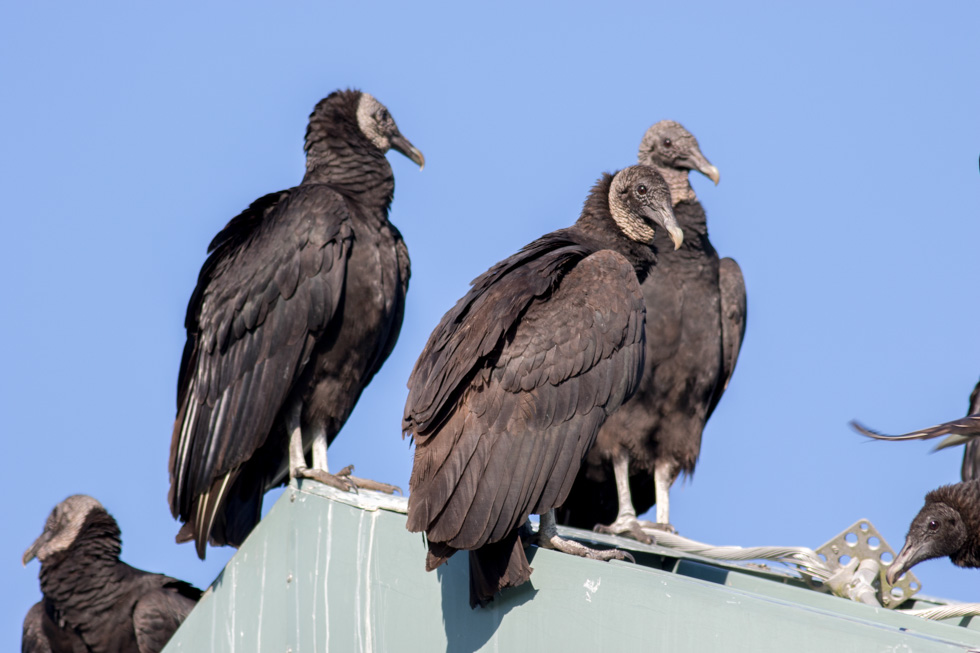
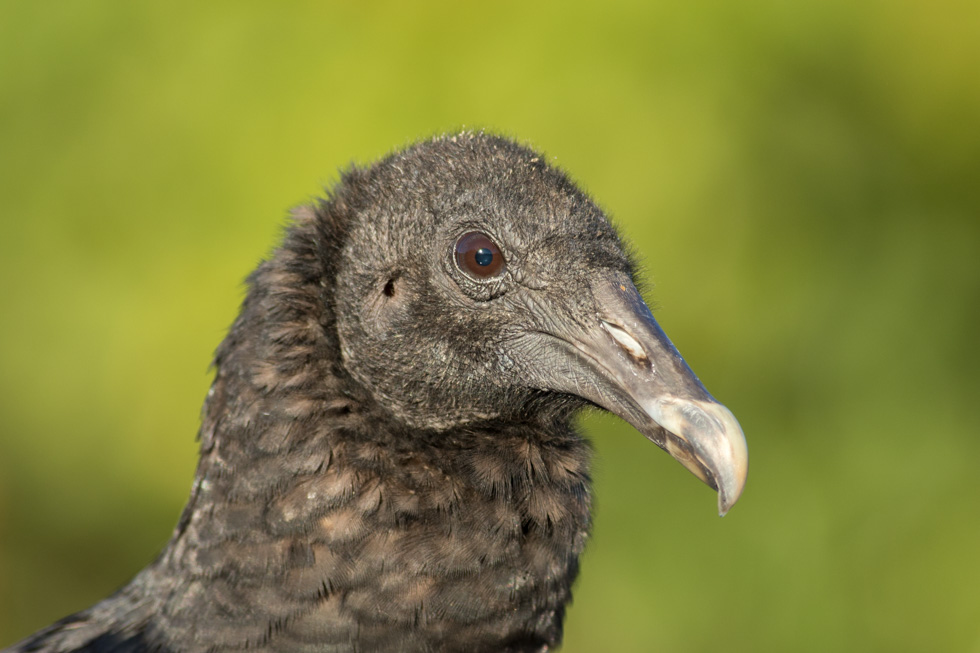
There are Black Vultures in large numbers hanging around the visitor’s center. Tarps are provided by the park to cover your car because the vultures like cars and will destroy them by sitting and pooping on them, scratching them, and picking off anything rubber or plastic.

Not afraid of humans. Juvenile Black Vulture

Anhinga nest with chicks

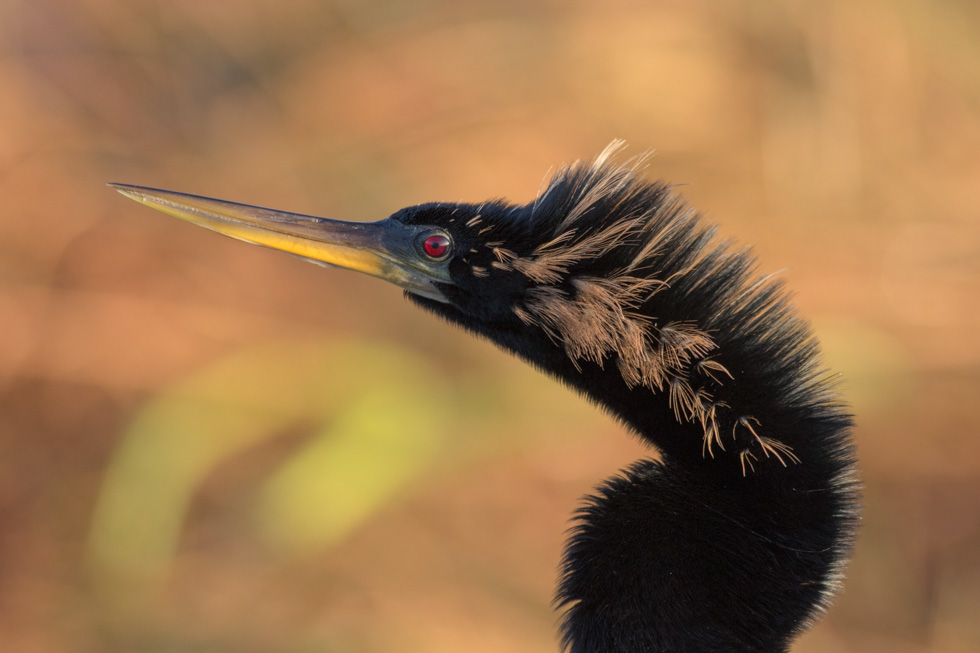
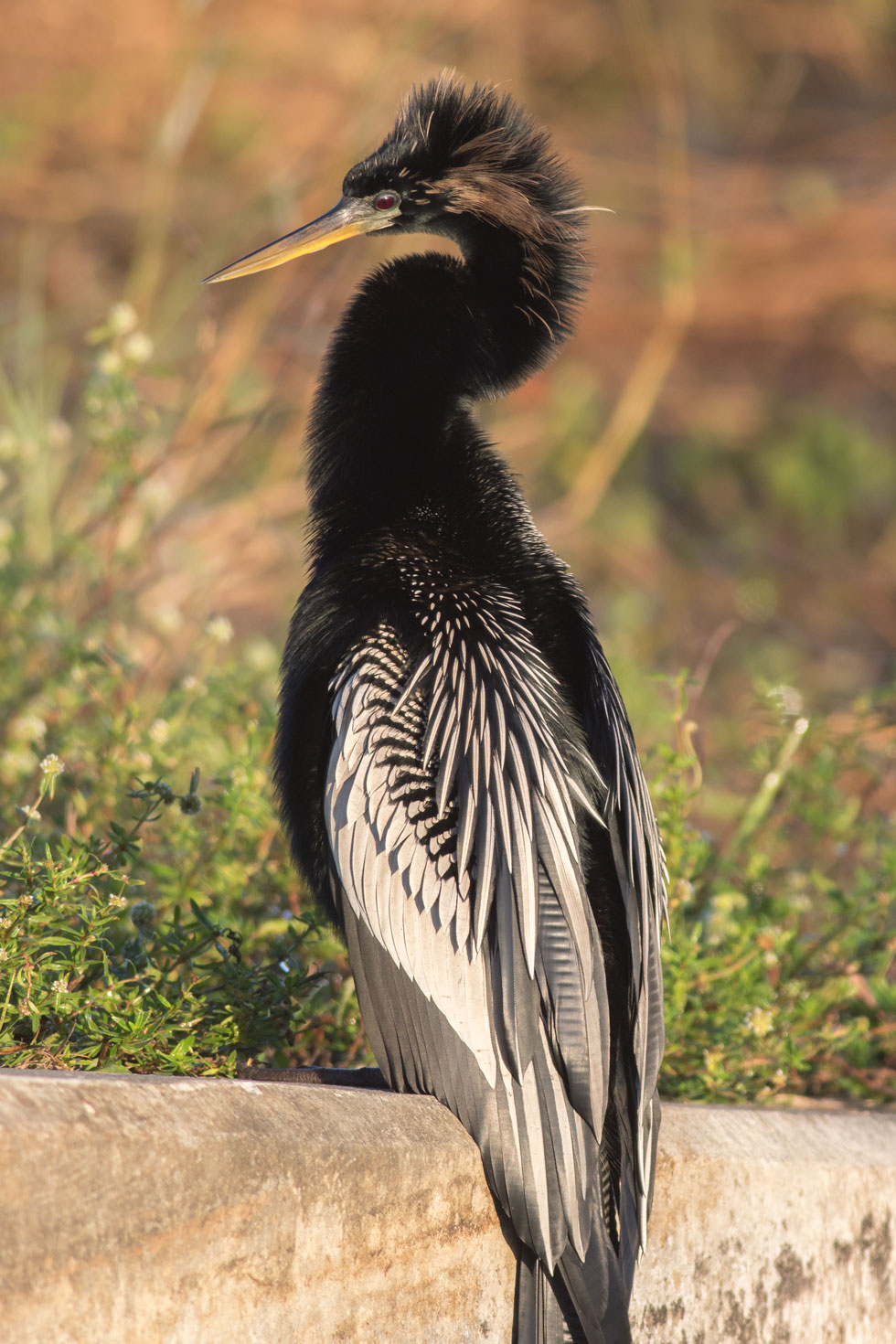
Anhinga, also known as a water turkey or snakebird. Swims underwater looking for prey which is spears with its sharp beak.

The patterning on the feathers is quite beautiful.

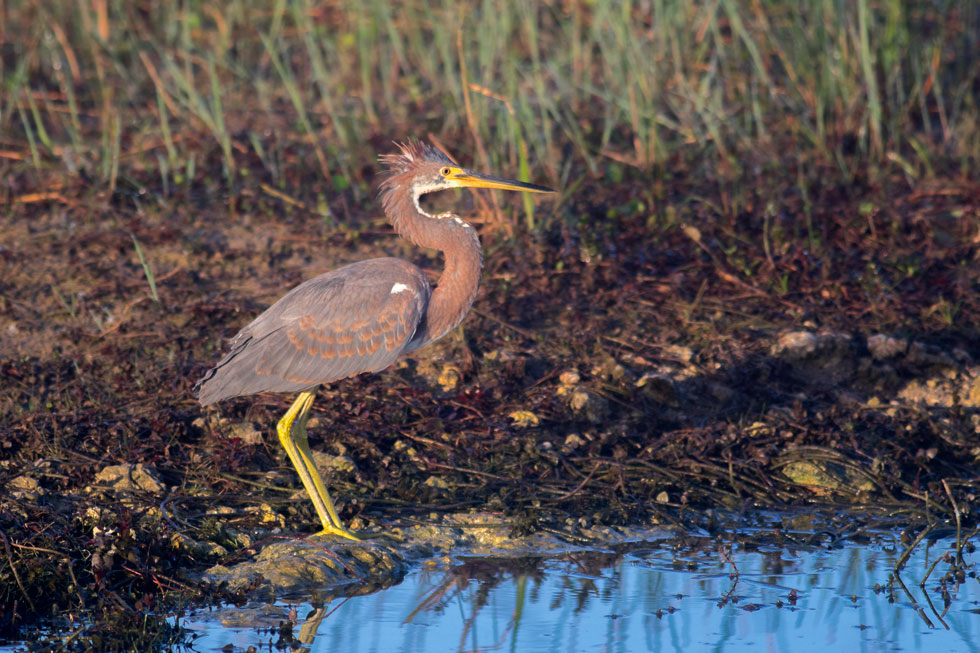
Tricolored Heron

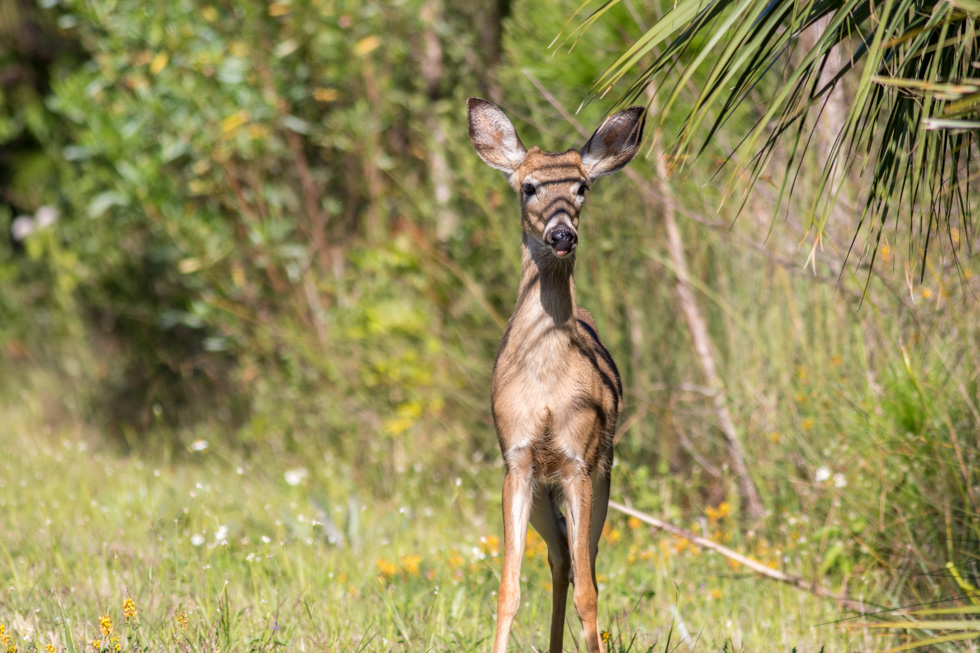
Didn’t see too many mammals but we did see a couple deer early in the morning. There are Florida Panthers in the park as well but rarely seen.

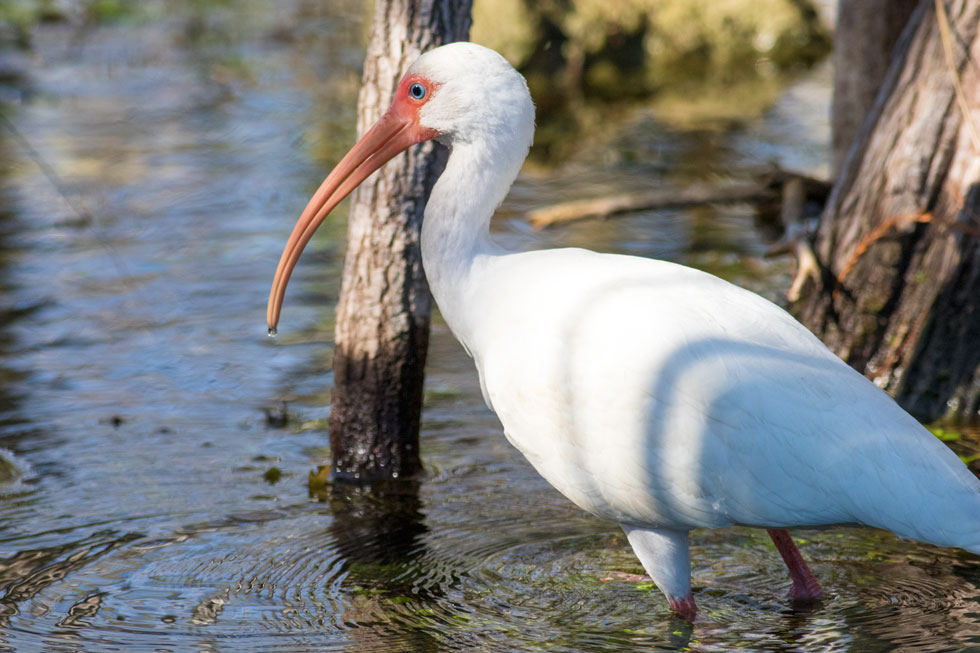
White Ibis

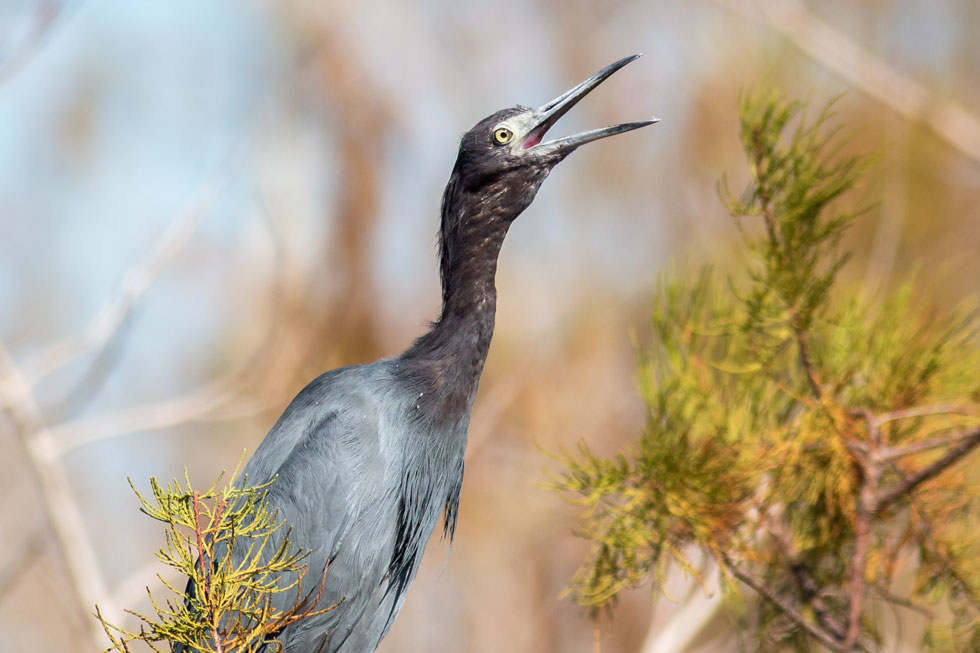
Little Blue Heron

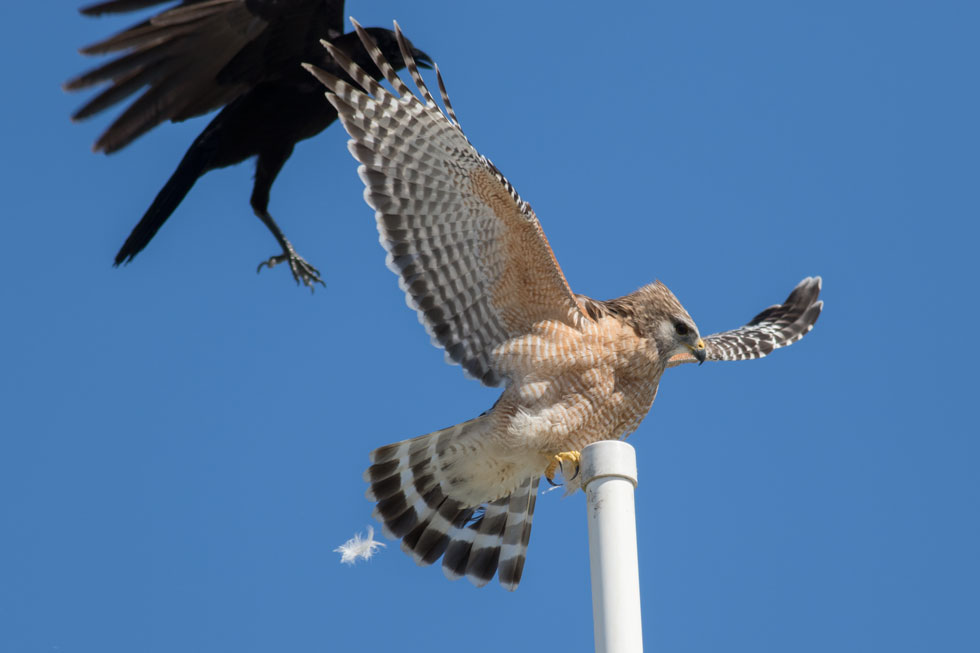
Red-shouldered Hawk at the Marina being harassed by a crow.

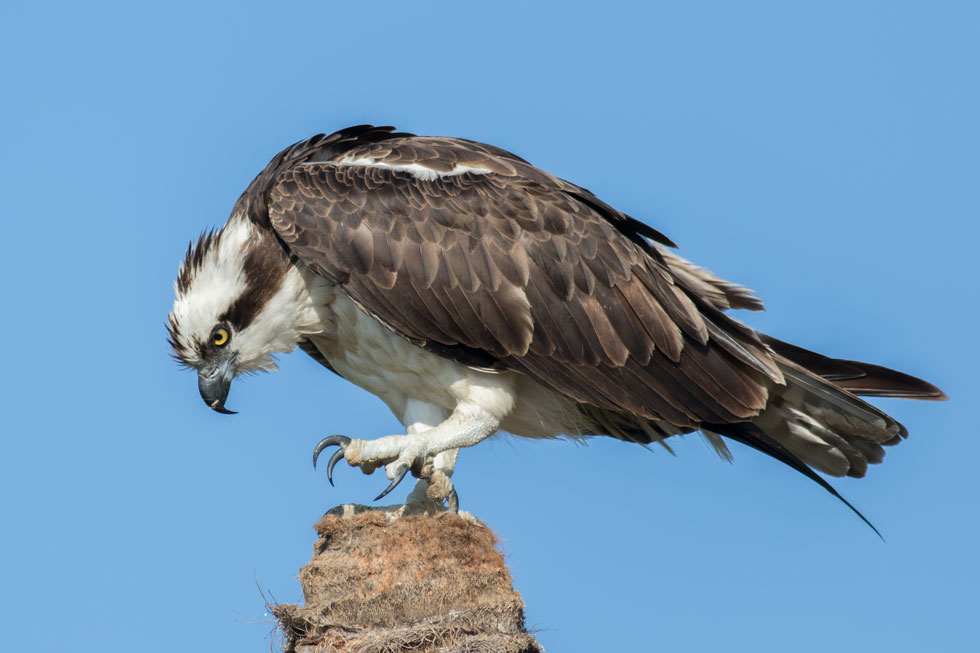
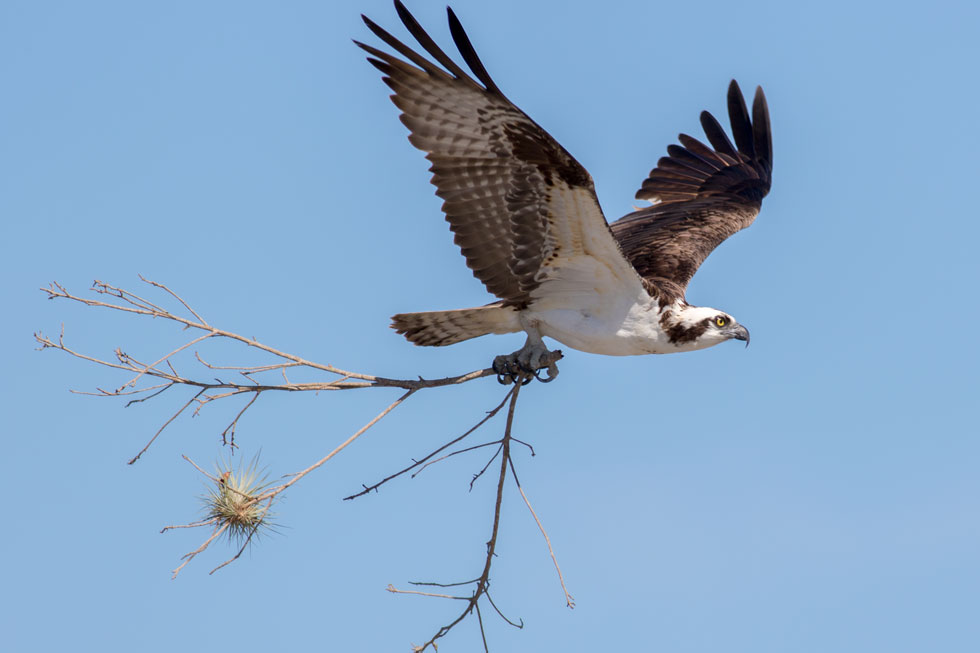
Osprey

We counted 3 Osprey nests near the Ranger Station but I’m sure there were more. Guess it’s time to reinforce nests for the upcoming nesting season.

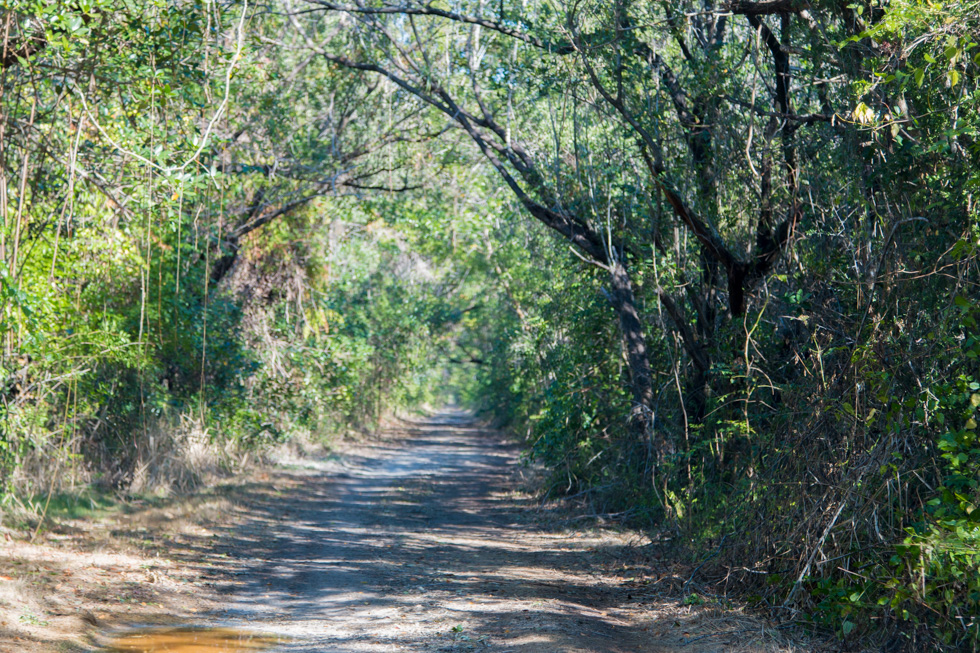
Bear Lake Trail

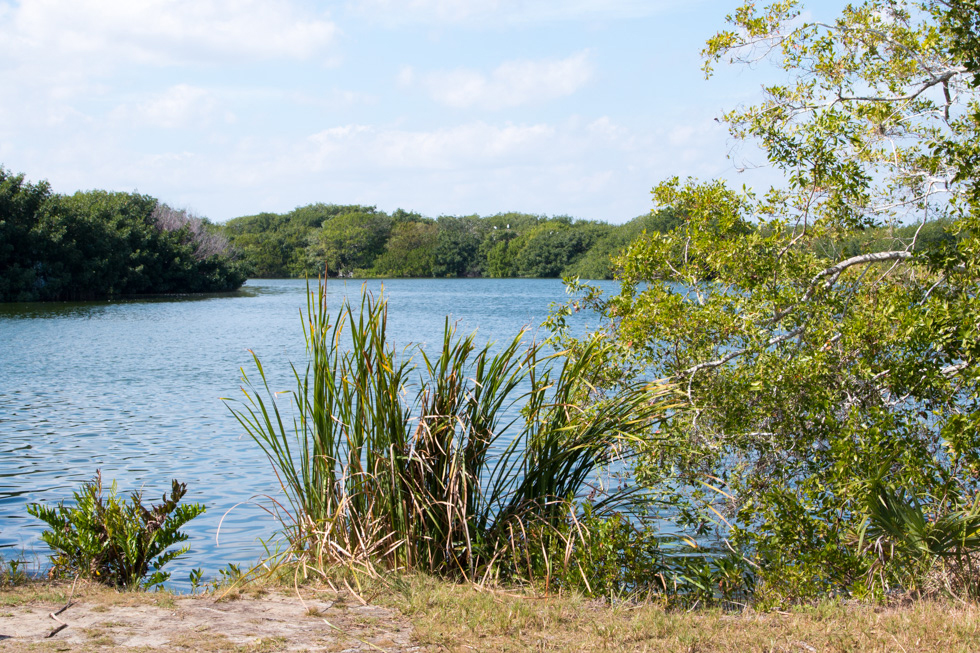
Paurotis Pond is a nesting site for the threatened Wood Stork as well as Roseate Spoonbills. We saw both at this location but they were on the far side of the pond perched in the trees. You can see the storks if you look real hard.

Pileated Woodpecker in the slash pines.

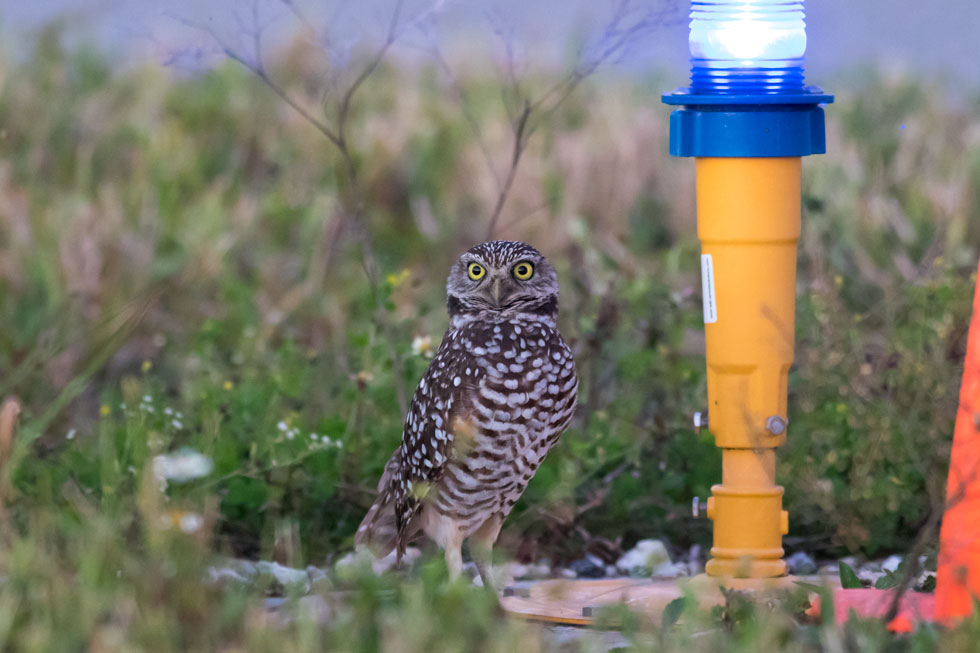
We explored a little outside the park as well. We had heard that there might be some Burrowing Owls at a small municipal airport near our hotel in Homestead so we stopped there one evening. I asked for permission to be on the grounds at the administration office and they were very helpful and even pointed us to a couple spots on the grounds. Look what we found!

We found a burrow right next to a runway light and 2 sleepy owls. It’s amazing that they are unfazed by the air traffic.

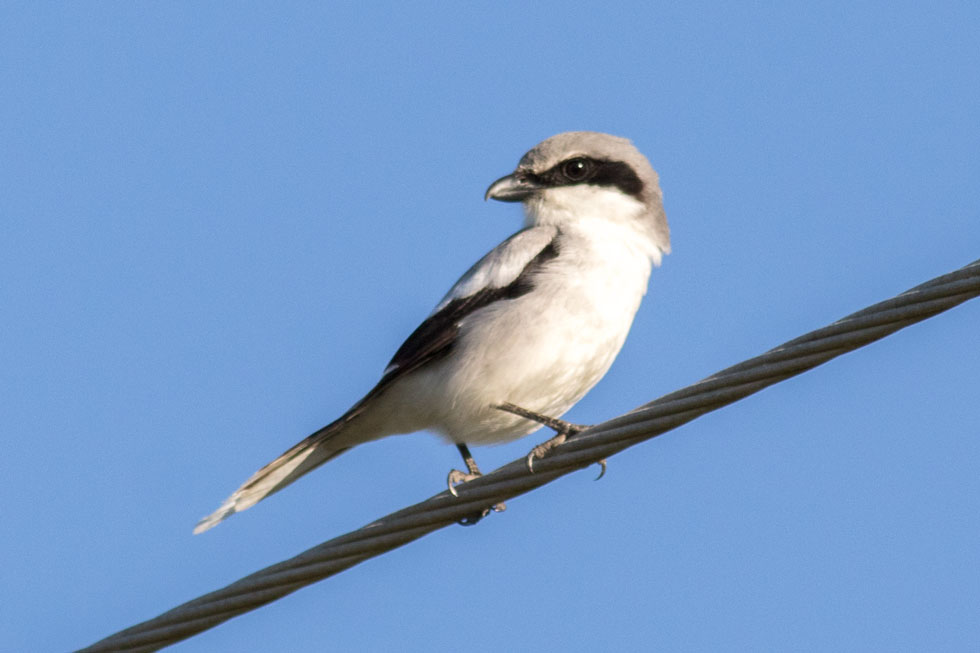
Also found a couple Loggerhead Shrike hunting the open space at the airport.

We spent our last day on Key Biscayne in Miami. Got to see some coastal birds like terns, gulls, cormorants, plovers and others. And walk on the beach of course.

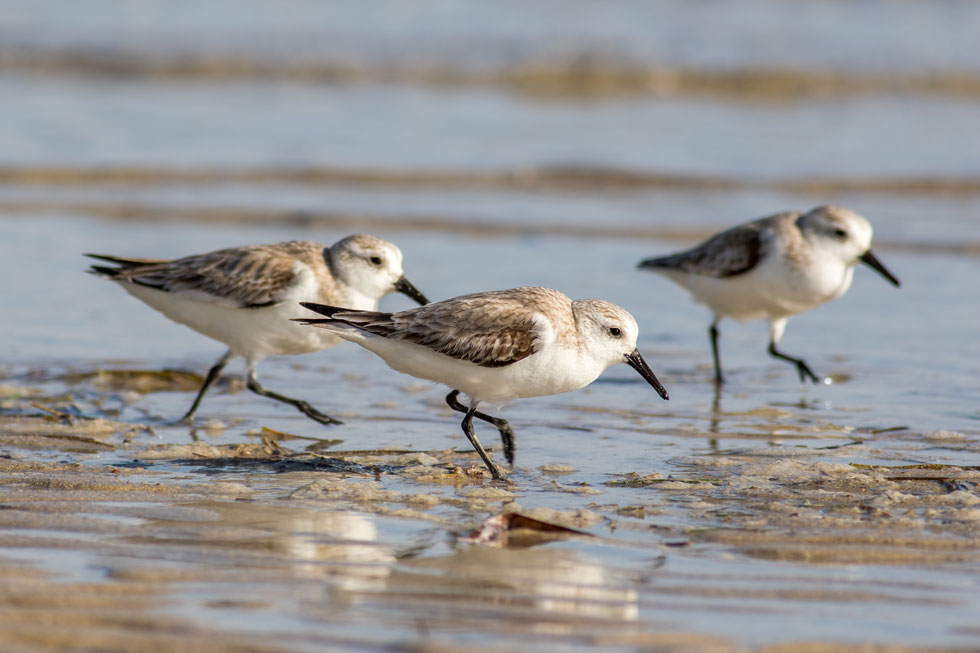
Sanderlings skittering about looking for food.

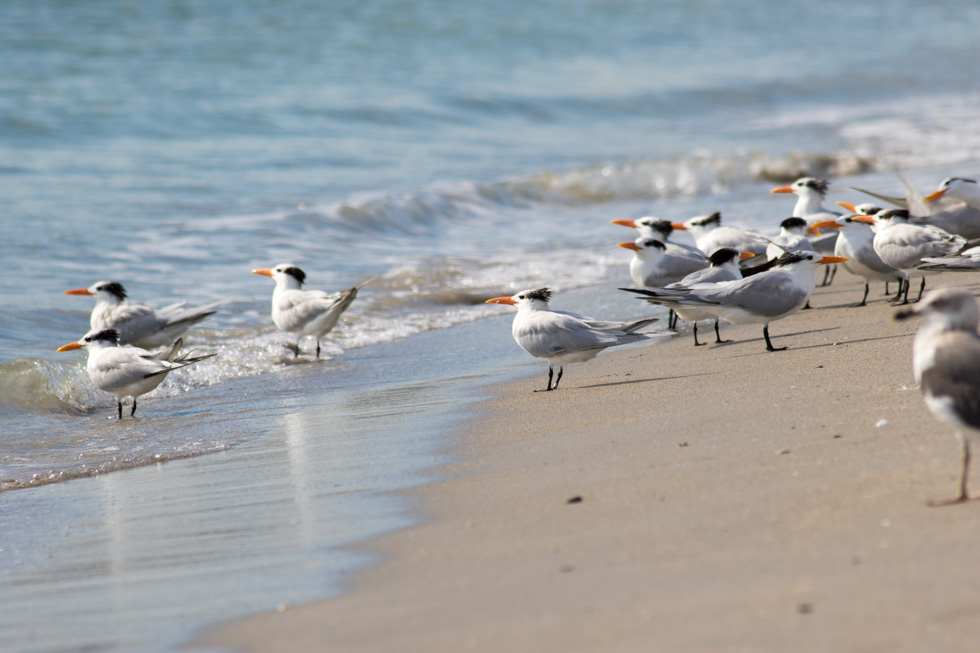
Royal Terns

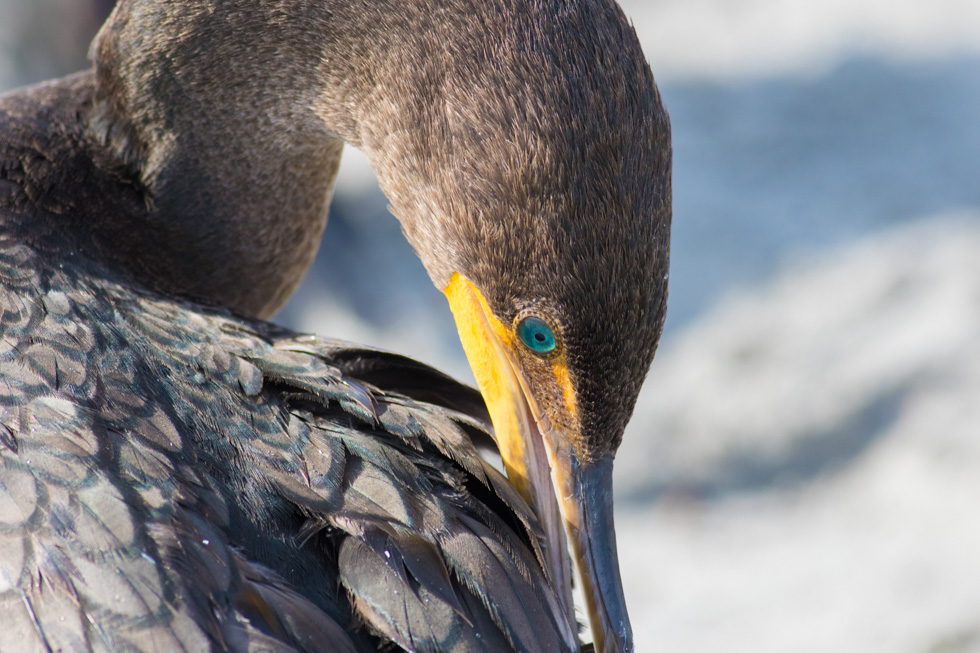
Double-crested Cormorant

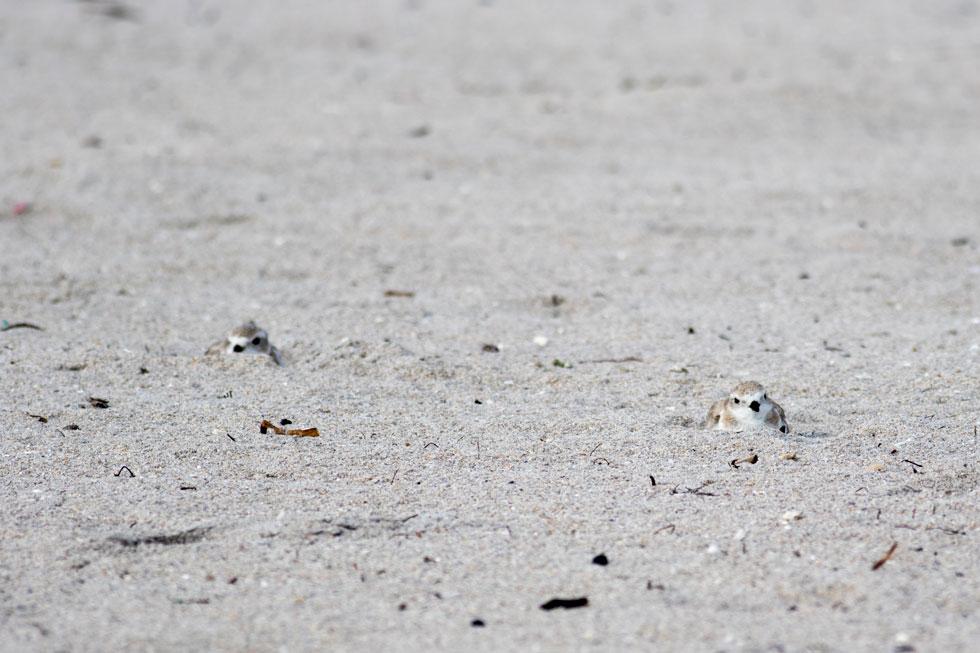
Piping Plovers hunkered down in the sand.

And there you have a sampling of the 1929 pictures that I snapped on our 5 day trip. Until next time, signing off.


Maine

We finally took the trip we’ve been planning for 13 years. Well, to be fair, we weren’t PLANNING IT for 13 years, but our original trip was waylaid by life events back in 2003, so we just re-animated the plan. We flew to Boston on June 3rd, rented a car, and drove up the coast to the beautiful state of Maine. It was one of our nicest vacations yet. We thoroughly enjoyed ourselves and highly recommend costal Maine and in particular Acadia National Park. Now on to some of the highlights.

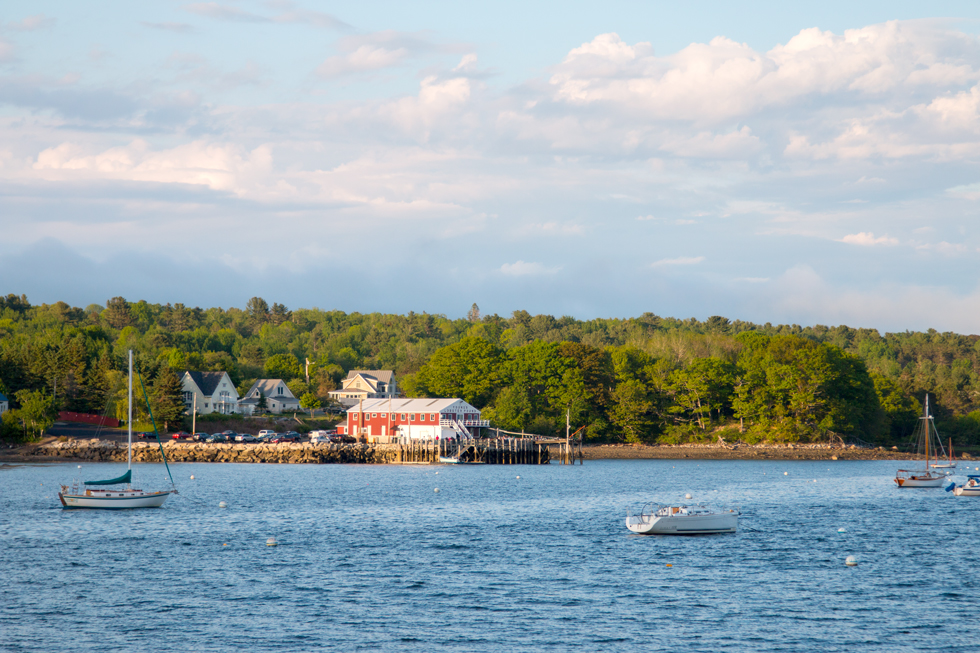
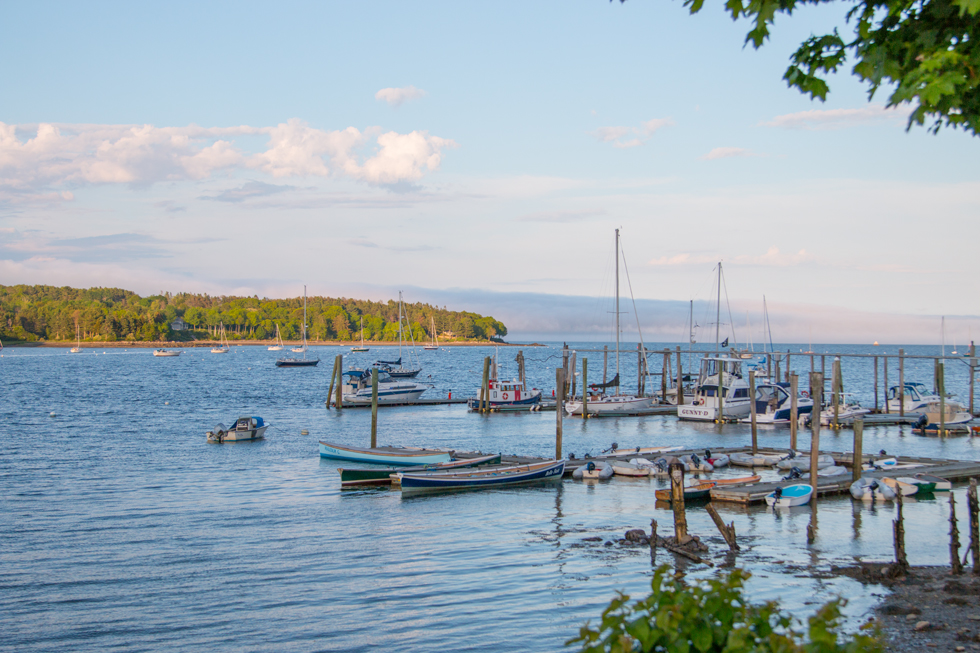
Belfast Harbor, Belfast Maine. Our friend Beth lives here (isn't she lucky) and showed us around her wonderful town.

Belfast Harbor, Belfast Maine. Our friend Beth lives here (isn’t she lucky) and showed us around her wonderful town.

Belfast is also a real working lobster town as are many of the towns along the coast.

Belfast is also a real working lobster town as are many of the towns along the coast.

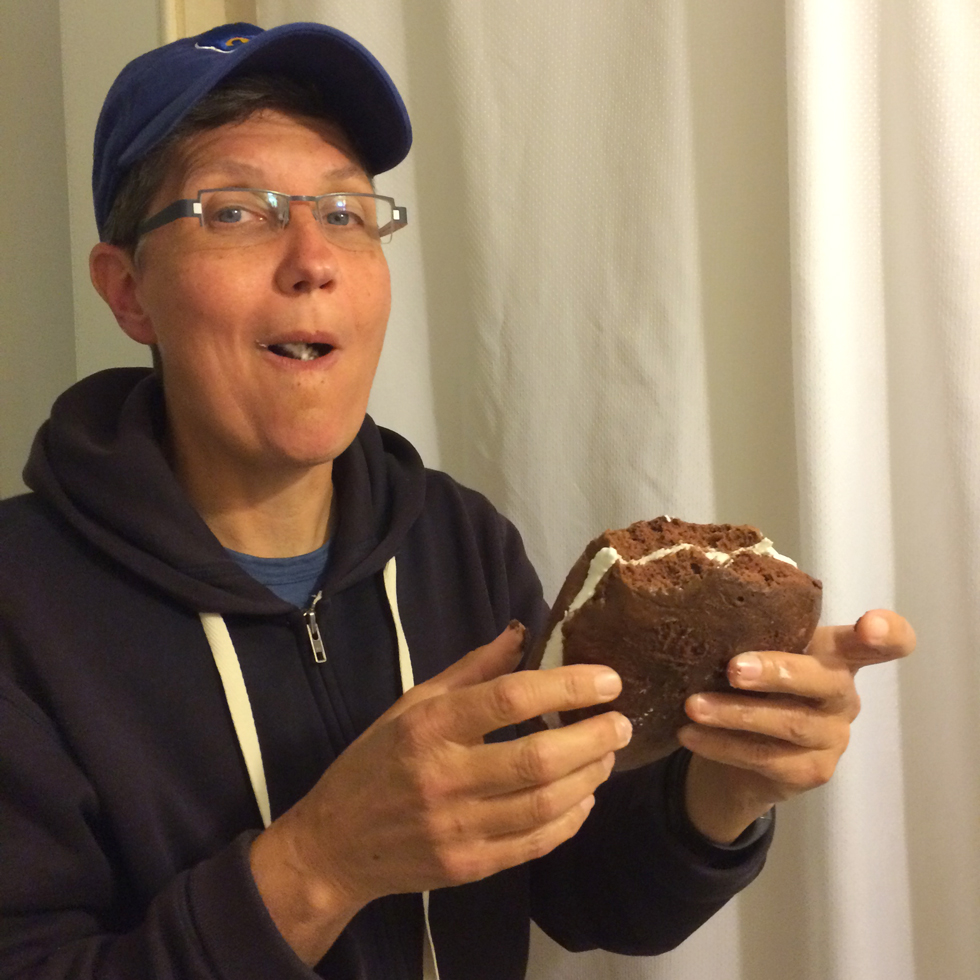
Here's another thing that we experienced in Belfast: a GIANT Whoopie Pie. Oh my. Beth directed us to the Belfast Variety where if you go all the way to the back corner, you'll find these dinner plate sized treats. Um yes, it was good.

Here’s another thing that we experienced in Belfast: a GIANT Whoopie Pie. Oh my. Beth directed us to the Belfast Variety where—if you go all the way to the back corner—you’ll find these dinner plate sized treats. Um yes, it was good.

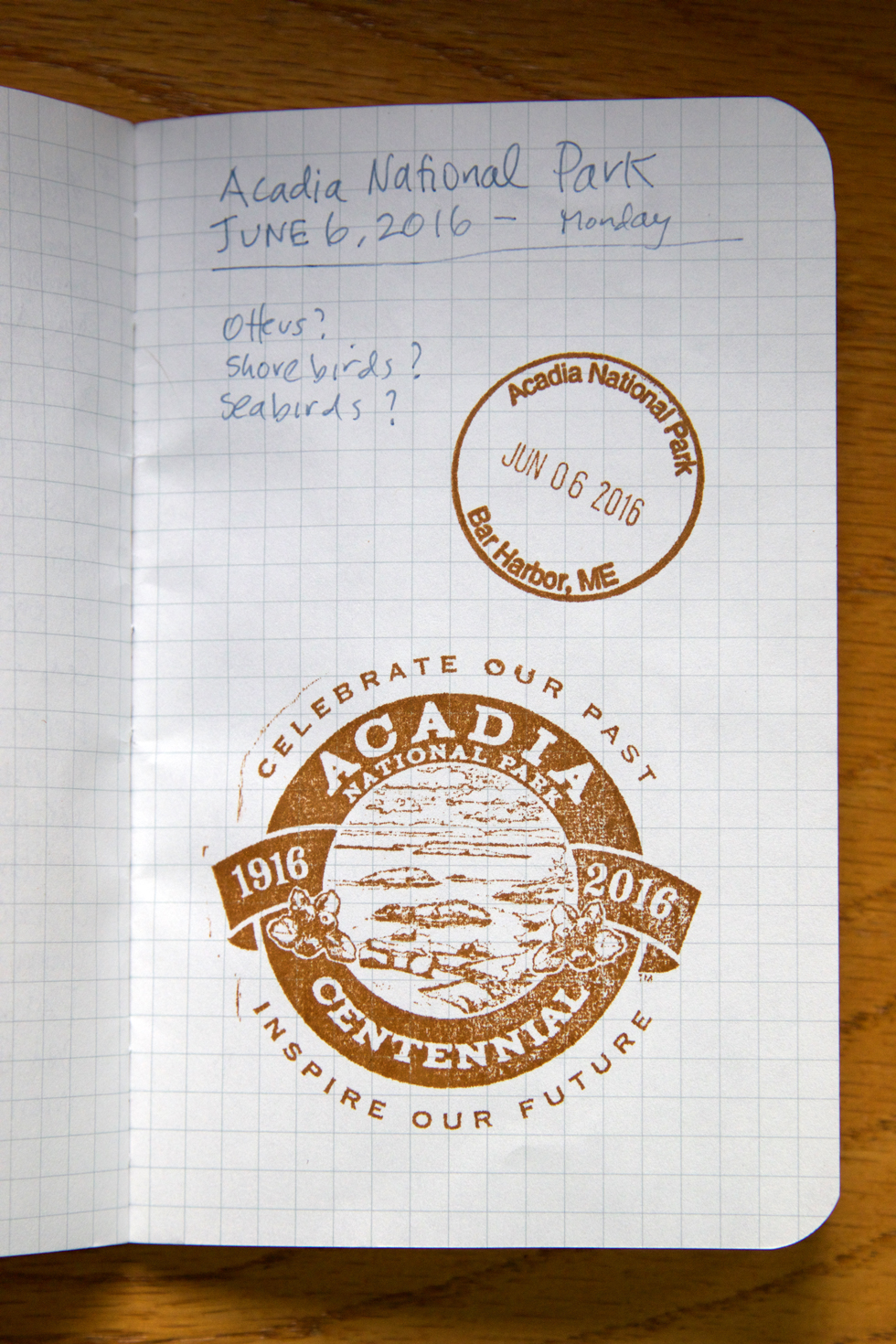
I got my birding notebook stamped at the Acadia Park HQ on our first day on Mount Desert Island. As you can see, it's the park's Centennial. I love National Parks. My goal is to visit all of them. Better get cracking.

I got my birding notebook stamped at the Acadia Park HQ on our first day on Mount Desert Island As you can see, it’s the park’s Centennial. I love National Parks. My goal is to visit all of them. Better get cracking.

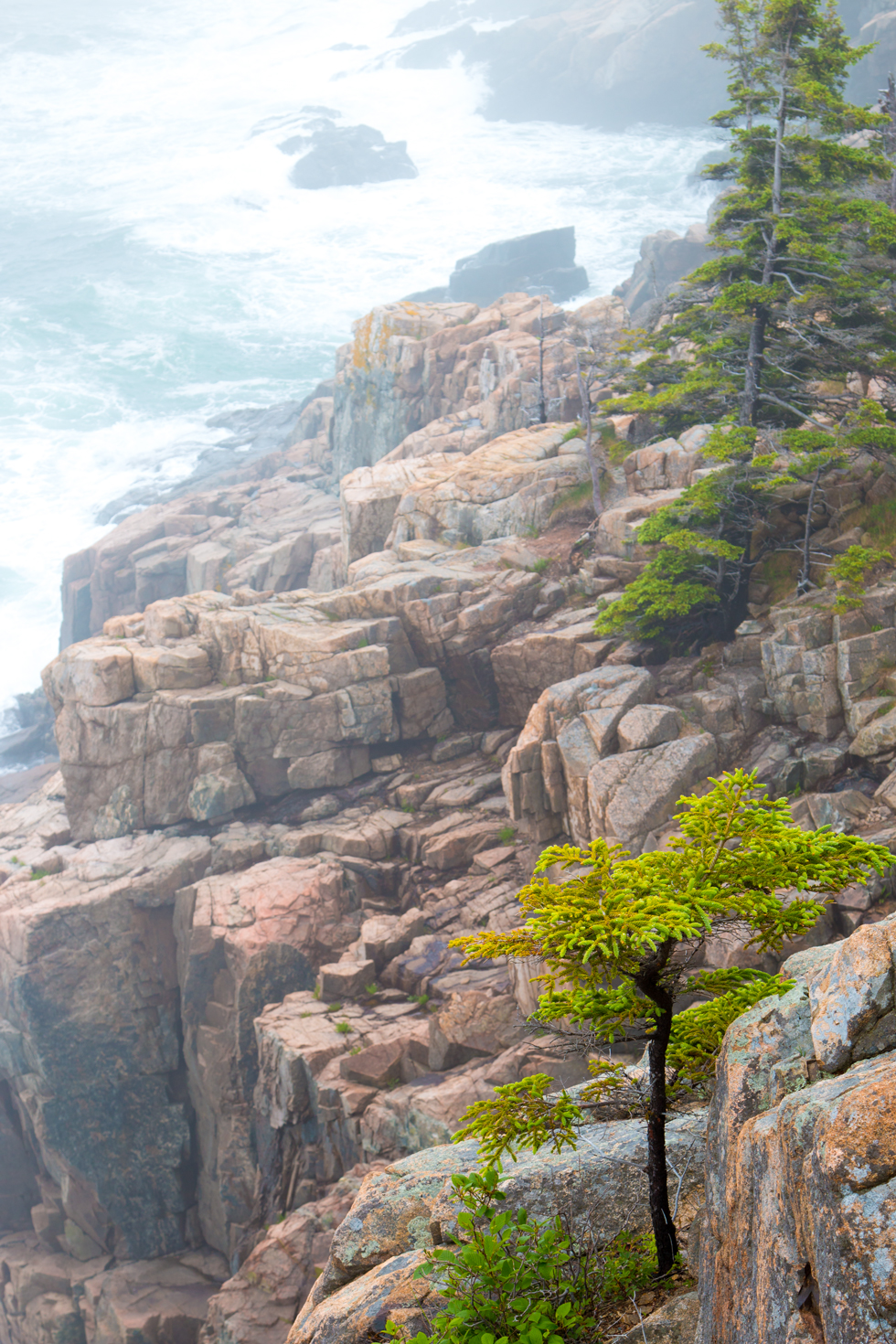
It was foggy, misty and occasionally rainy our first day in the park but in some ways it added to beauty and mystery of discovery. Also, not many people around so in an often busy park, we felt like we had the place to ourselves.

It was foggy, misty and occasionally rainy our first day in the park but in some ways it added to beauty and mystery of discovering new places. Also, not many people were around so, in an often busy park, we felt like we had the place to ourselves.

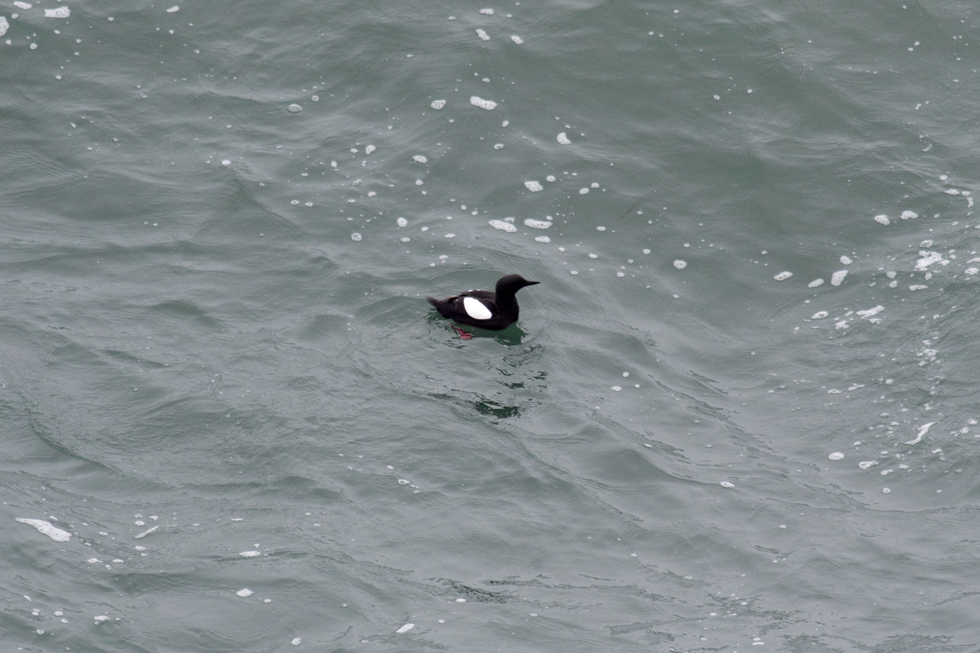
Part of the fun of spending time on the coast, was seeing new birds like this Black Guillemot. They use their wings like paddles to dive up to 50 ft to catch small fish.

Part of the fun of spending time on the coast, was seeing new birds like this Black Guillemot. They use their wings like paddles to dive up to 50 ft to catch small fish.

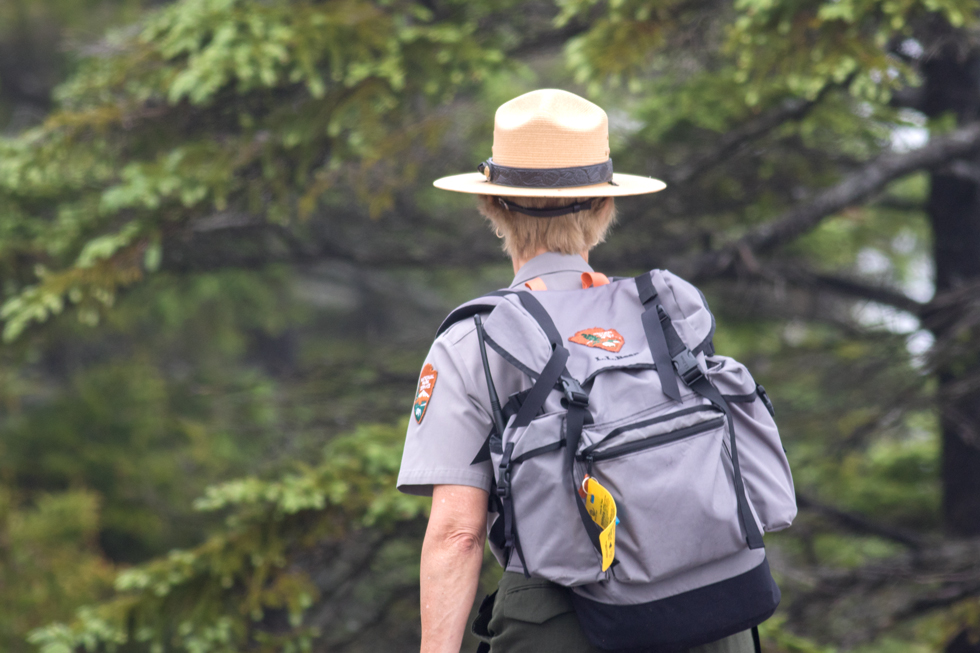
Mainers are very friendly, helpful and polite. Including the park rangers. I could use a hat like that.

Mainers are very friendly, helpful and polite. Including the park rangers. I could use a hat like that.

Acadia has a must-do 27 mile driving tour. It was really worth every minute with beautiful places to stop at every turn, or so it seemed. We couldn't stop at all of them, but we hit the highlights.

Acadia has a must-do 27 mile driving tour. It was really worth every minute with beautiful places to stop every at every turn. We couldn’t stop at all of them, but we hit the highlights.

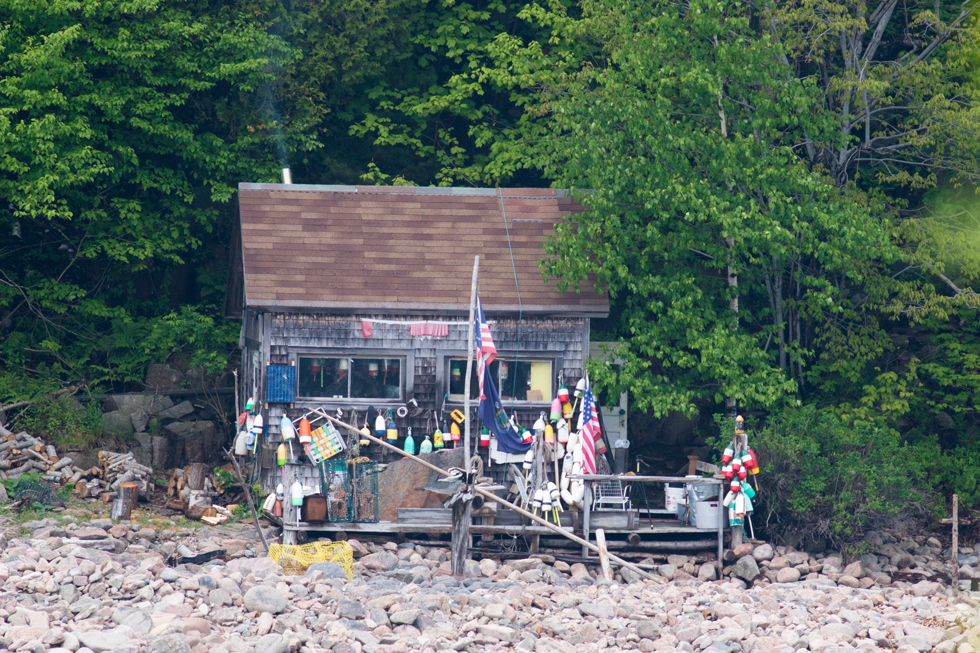
Because the land that makes up the Park was acquired over many years, there are pockets of private land mixed in with the park land. This working lobster house is on Otter Cove, if I remember correctly.

Because the land that makes up the Park was acquired over many years, there are pockets of private land mixed in with the park land. This working lobster house is on Otter Cove, if I remember correctly.

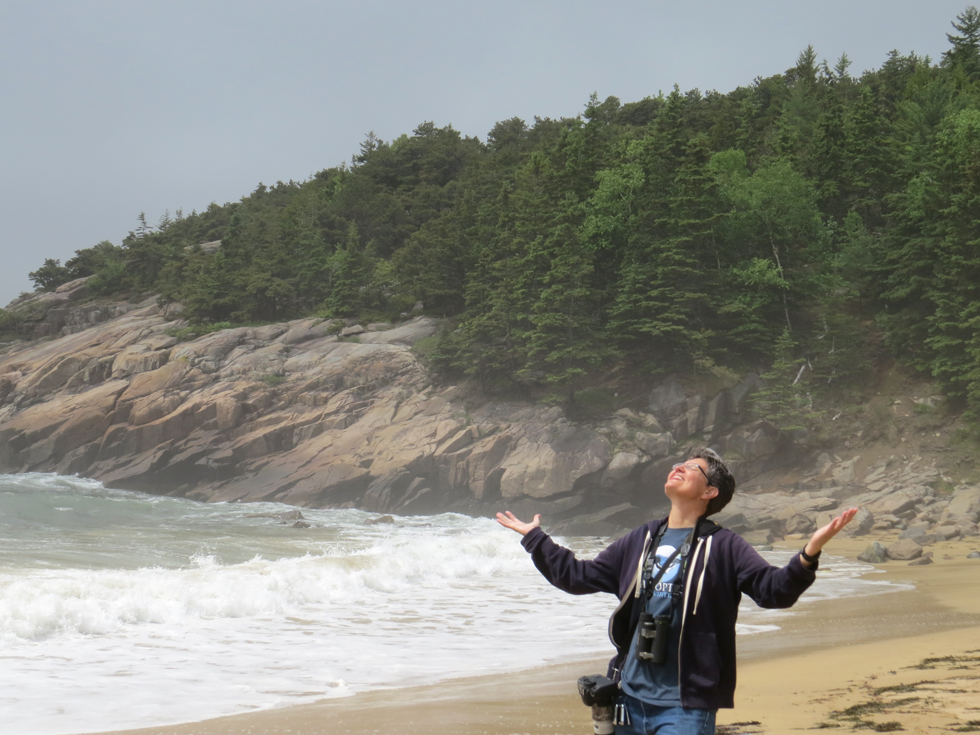
One of the more beautiful places was Sand Beach, a little cove that gets pounded by the waves and after thousands of years, gazillions of tiny shell fragments made a "sand" beach. It had been foggy and drizzly all morning but as we came upon the beach, the sun peaked out. It was magical!

One of the more beautiful places was Sand Beach, a little cove that gets pounded by the waves and after thousands of years, gazillions of tiny shell fragments made a “sand” beach. It had been foggy and drizzly all morning but as we came upon the beach, the sun peaked out. It was magical!

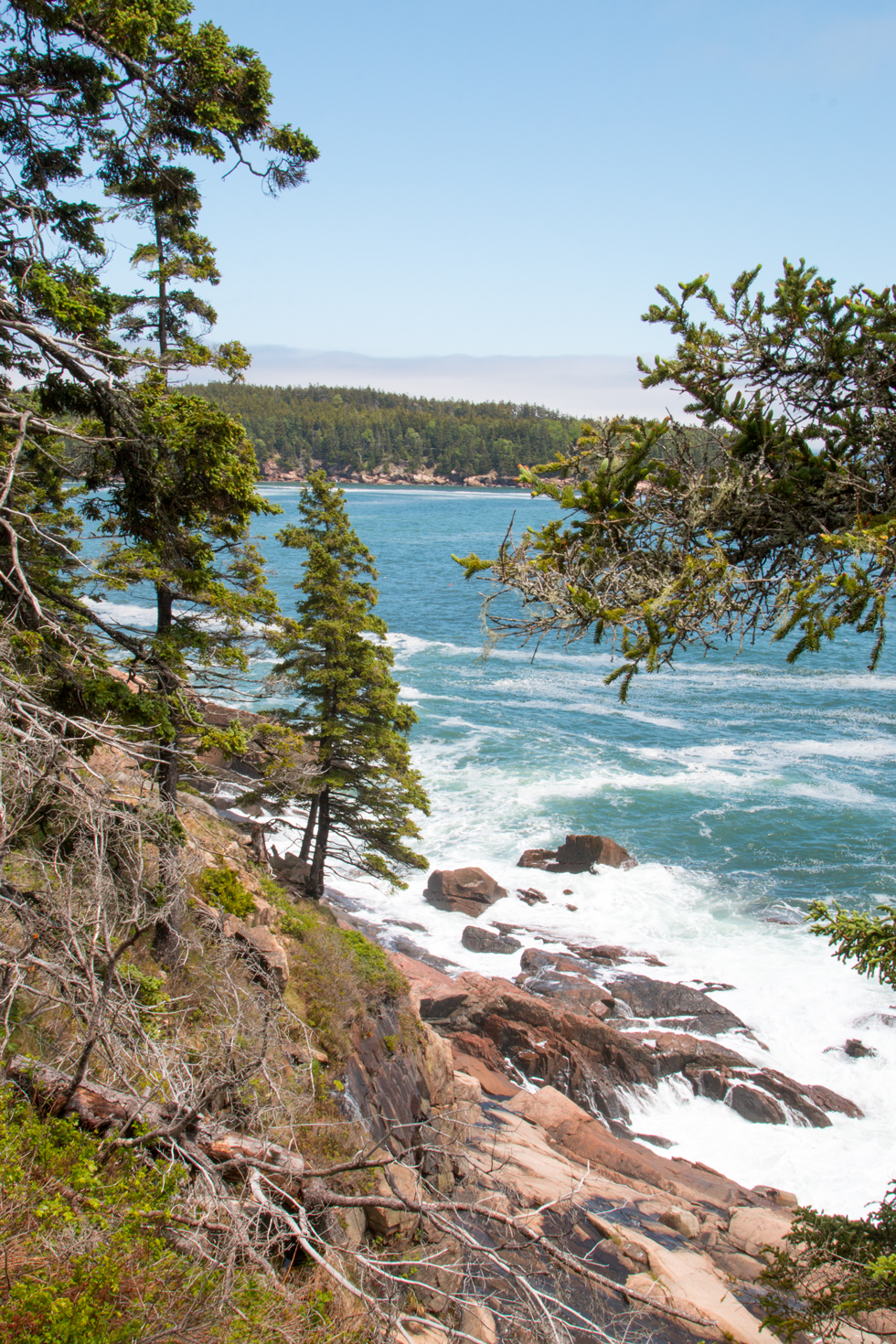
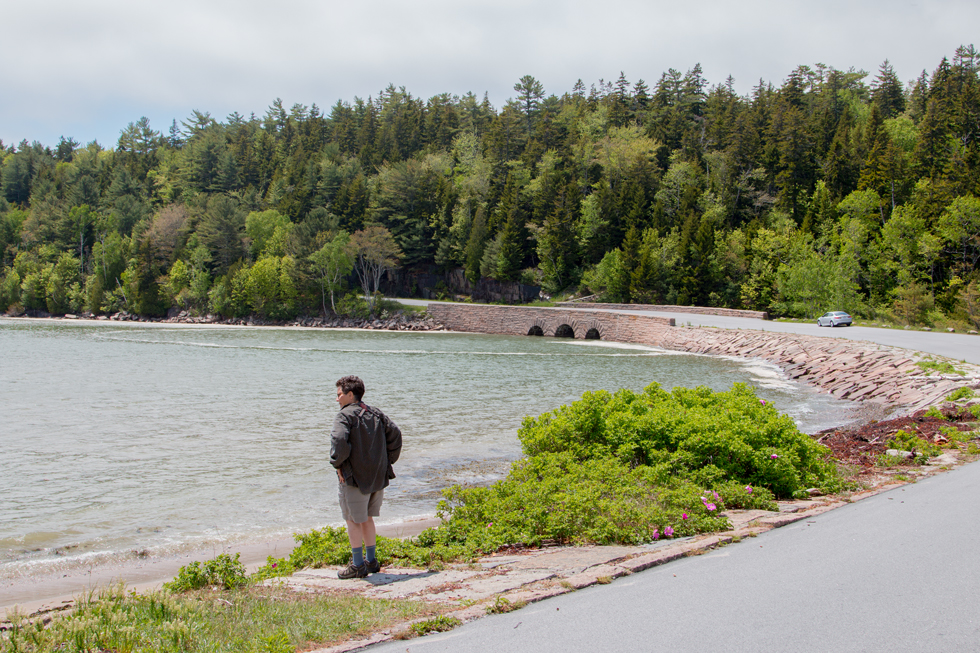
Here's another beautiful place to gaze upon.

Here’s another beautiful place to gaze upon.

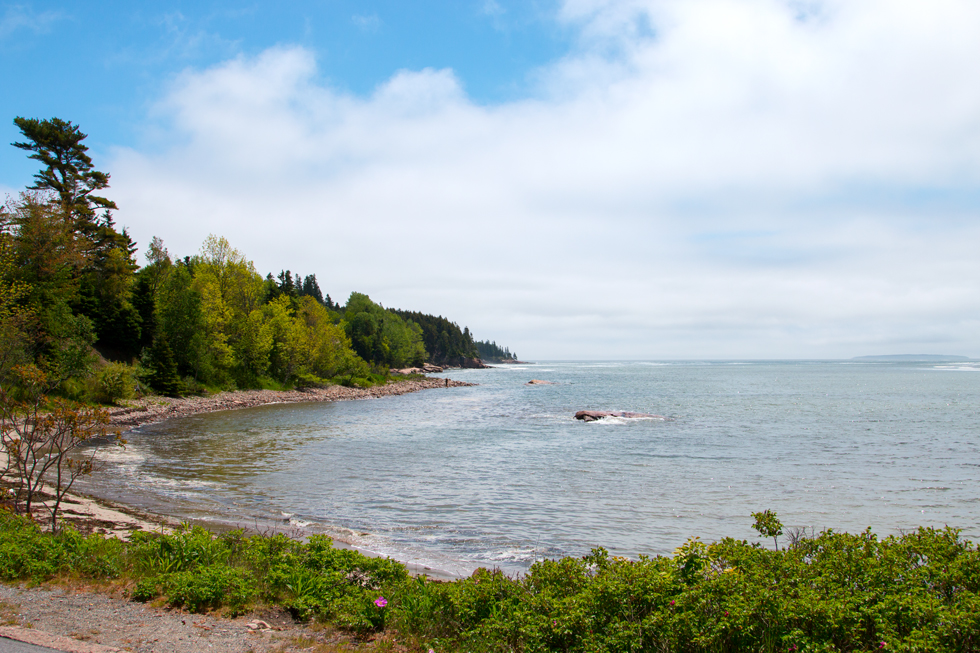
And another.

And another.

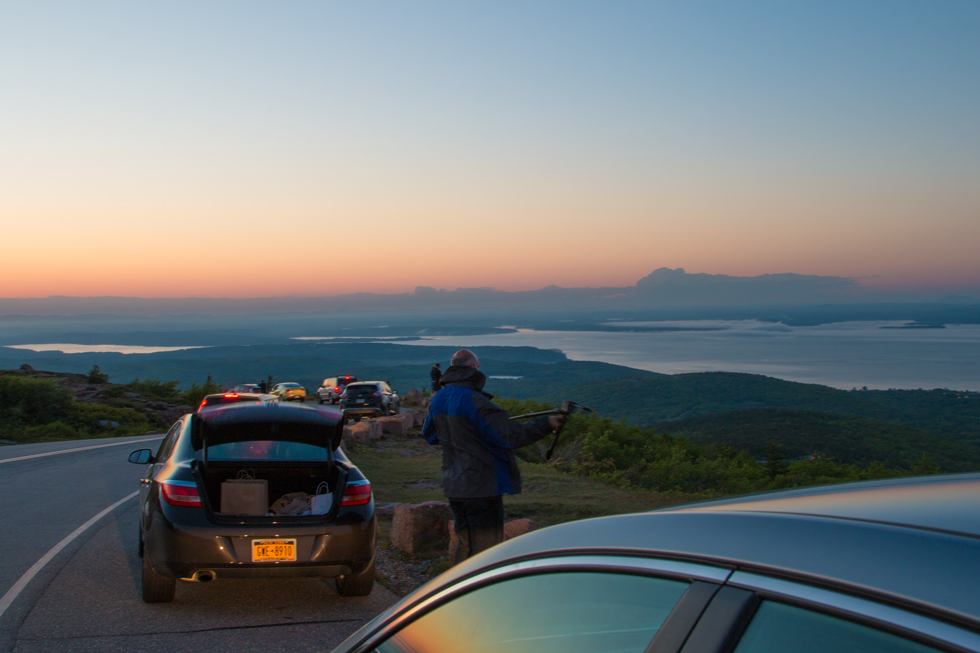
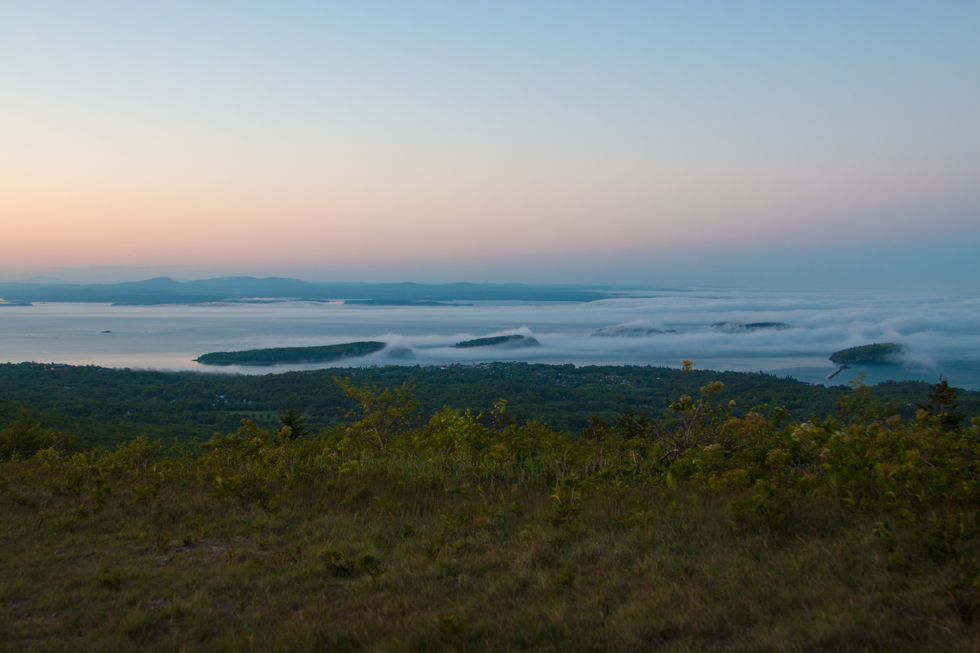
And then there was the evening we drove up to the top of Cadillac Mountain to watch the sunset. It's the tallest peak in the park at an elevation of 1,528 feet (470 m). The sunset wasn't amazing but the fog and clouds rolling over the islands in Frenchman's Bay near Bar Harbor were spectacular. I've never seen anything like it.

And then there was the evening we drove up to the top of Cadillac Mountain to watch the sunset. It’s the tallest peak in the park at an elevation of 1,528 feet (470 m). The sunset wasn’t amazing but the fog and clouds rolling over the islands in Frenchman’s Bay near Bar Harbor were spectacular. I’ve never seen anything like it.

I wish this was a video so you could see the movement of the vapor but this will just have to do.

I wish this was a video so you could see the movement of the vapor but this will just have to do.

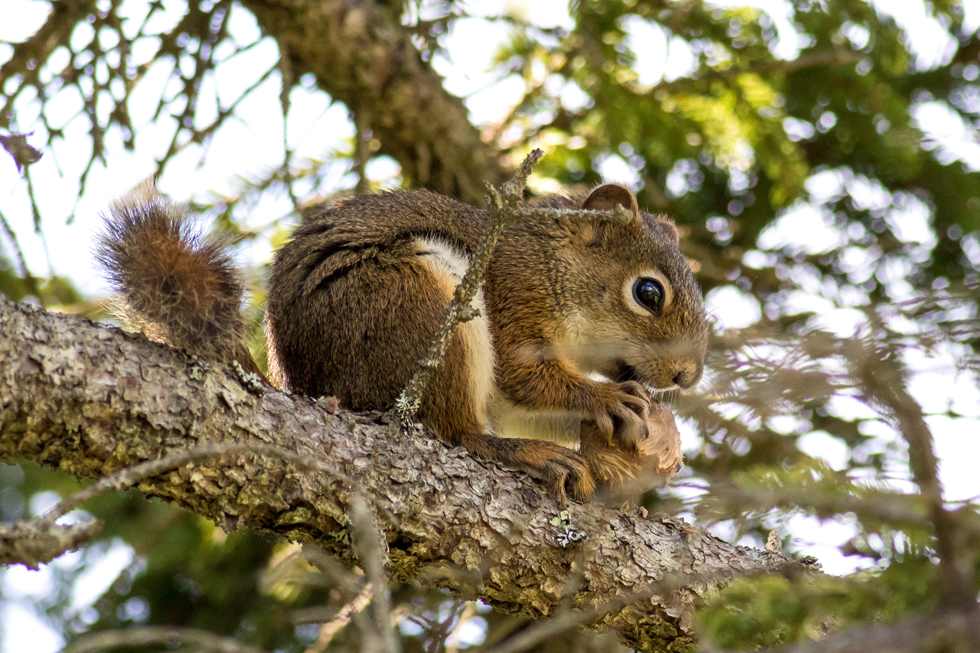
These little critters were everywhere and commenced scolding us as soon as we got too close.

These little critters were everywhere and commenced scolding the minute they decided you were too close.

And of course a post without a bunch of birds wouldn’t seem right. So here are the birds:

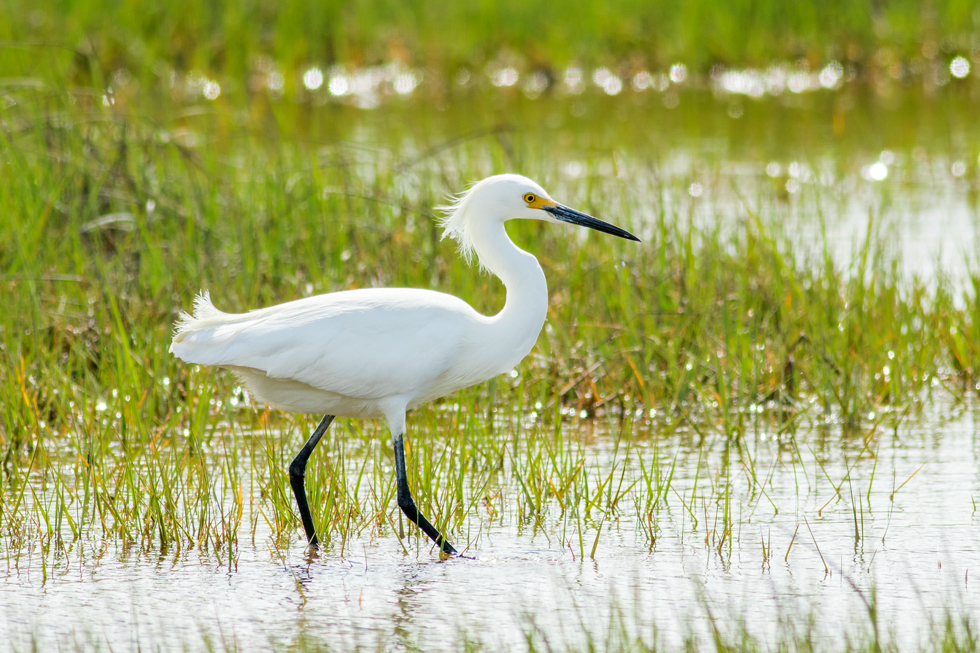
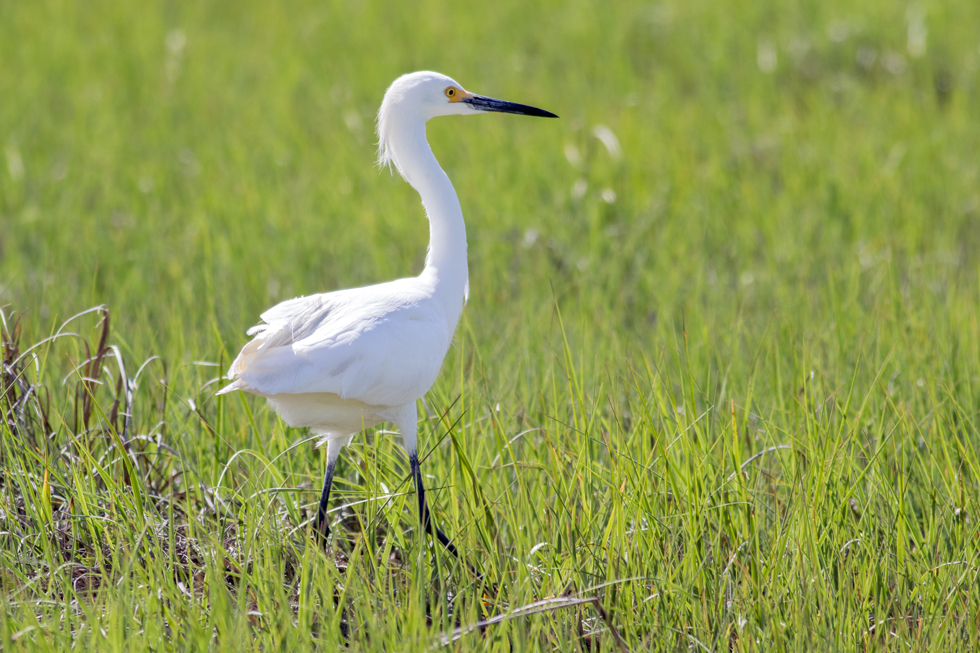
Our first full day in Maine was spent at Scarborough Marsh, a 3,200 acre saltwater marsh owned by the state's department of Inland Fisheries and Wildlife. This is a Snowy Egret, a new bird for us. They have black legs and bright yellow feet, which you can't see but which are a striking identifying feature.

Our first full day in Maine was spent at Scarborough Marsh, a 3,200 acre saltwater marsh owned by the state’s department of Inland Fisheries and Wildlife. This is a Snowy Egret, a new bird for us. They have black legs and bright yellow feet, which you can’t see but which are a striking identifying feature.

Snowy Egret

Snowy Egret

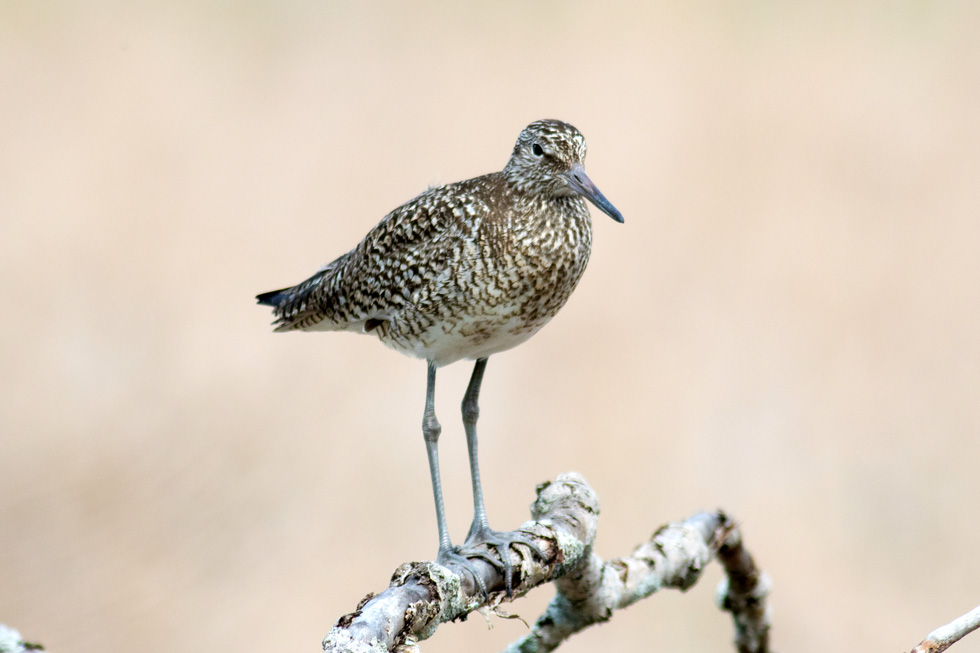
Willet. Saw one of these in the Madison area earlier this summer but they are fairly rare there and common on the east coast.

Willet. Saw one of these in the Madison area earlier this summer but they are fairly rare here and common on the east coast.

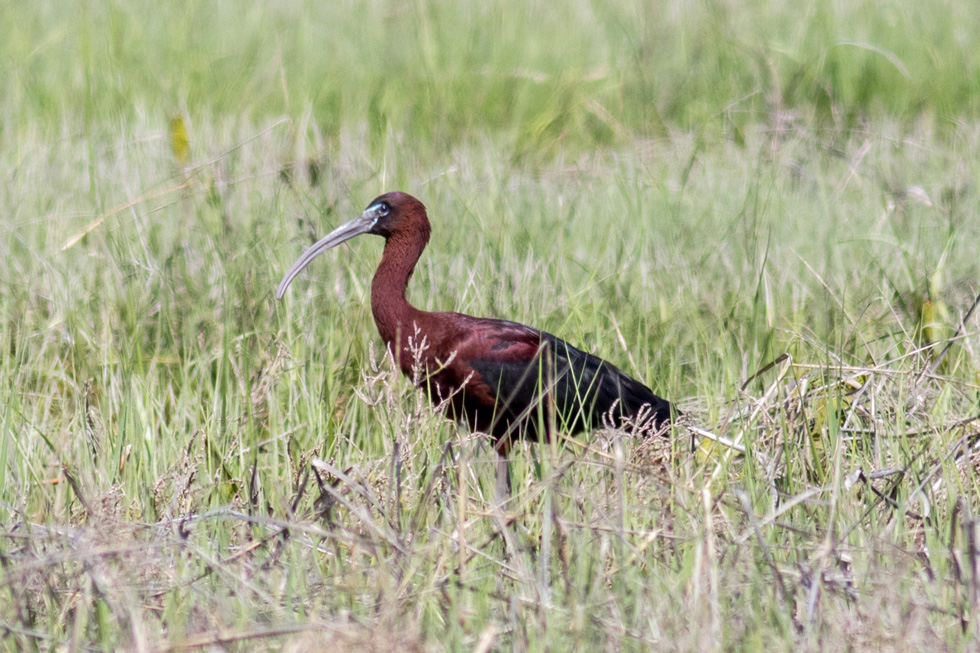
Another bird I've never seen before. A Glossy Ibis.

Another bird I’ve never seen before. A Glossy Ibis.

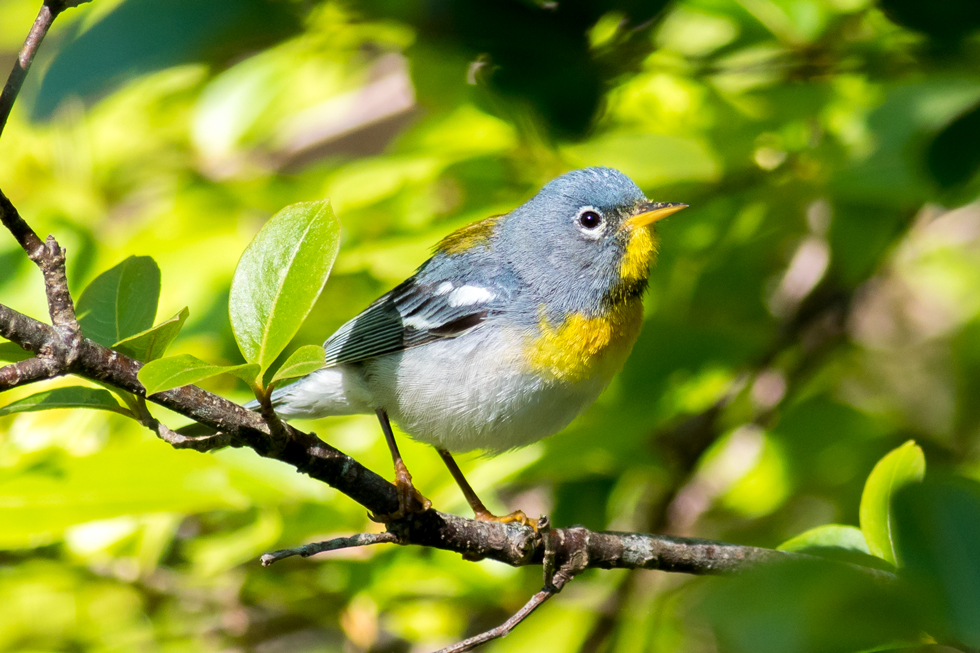
Acadia N.P. had some nice birds also. There are a number of Warbler species that spend their summers raising families in the park's forests. This is a Northern Parula. They sing non-stop and most of the time they are high in the trees but this guy obligingly came down to eye-level briefly.

Acadia N.P. had some nice birds also. There are a number of Warbler species that spend their summers raising families in the park’s forests. This is a Northern Parula. They sing non-stop and most of the time they are high in the trees but this guy obligingly came down to eye-level.

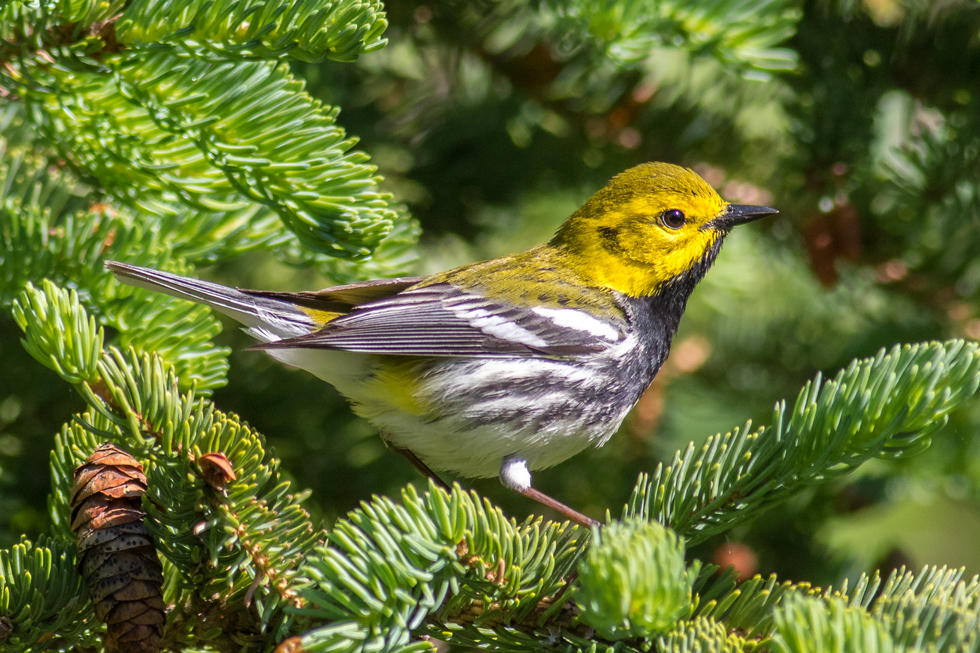
Here is a Black-throated Green Warbler. Another persistent singer. Easy to hear but very difficult to spot.

Here is a Black-throated Green Warbler. Another persistent singer. Easy to hear but very difficult to spot.

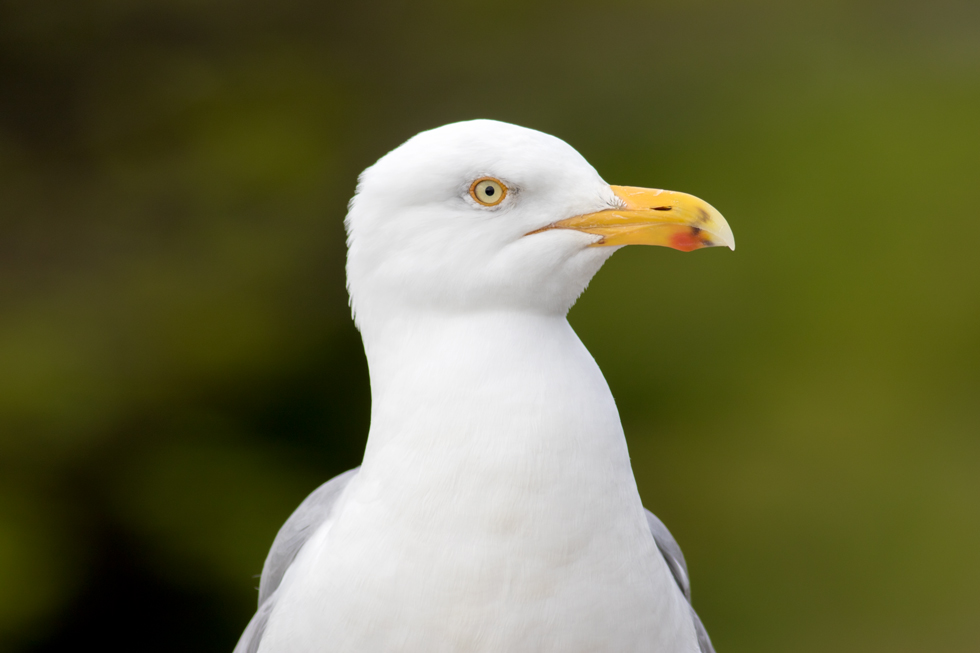
This Herring Gull was almost too friendly. Annette wanted me to give him a ginger snap but I refrained. I'm sure previous handouts gave him the courage to get uncomfortable close. I didn't quite trust him.

This Herring Gull was almost too friendly. Annette wanted me to give him a ginger snap but I refrained. I’m sure previous handouts gave him the courage to get uncomfortably close. I didn’t quite trust him.

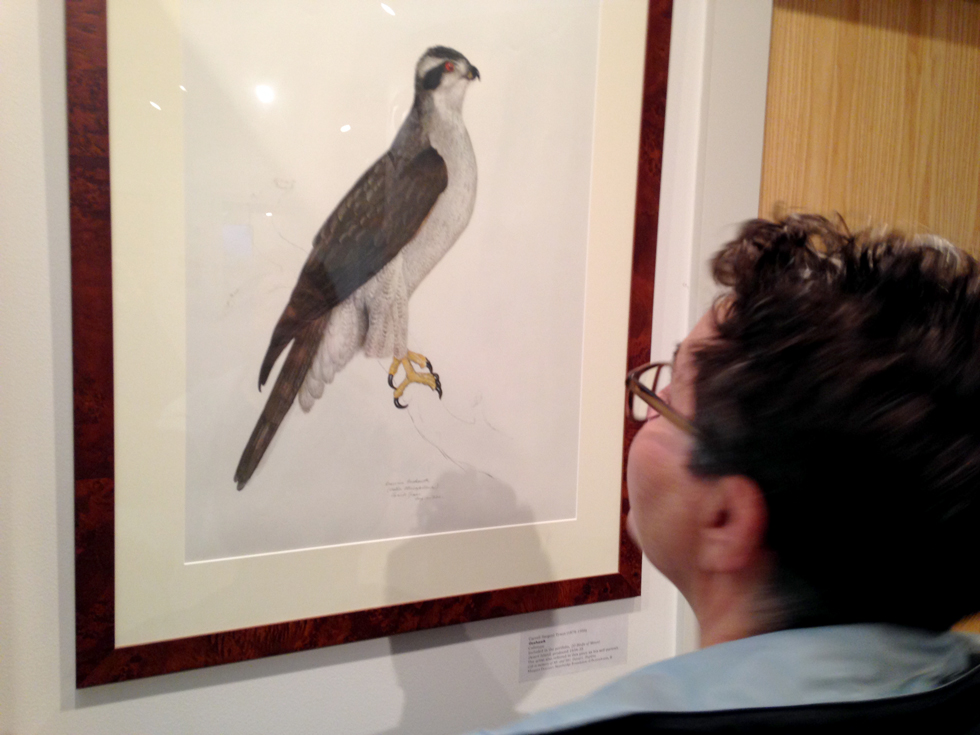
We had one rainy day on our trip during which we did some auto touring and just happened across the Wendell Gilley Museum in Southwest Harbor, ME. Wendell was a prolific decorative bird carver from 1931-1983. there are over 100 of his carvings on display. He and the carvings reminded me so much of my Grandpa, Walter Schwenck. There is also a collection of bird art by  other Maine artists on display.

We had one rainy day on our trip during which we did some auto touring and happened across the Wendell Gilley Museum in Southwest Harbor, ME. Wendell was a prolific decorative bird carver from 1931-1983. There are over 100 of his carvings on display in the museum. The art reminded me so much of my Grandpa, Walter Schwenck, who was a prolific carver himself. There is also a collection of bird art by other Maine artists on display.

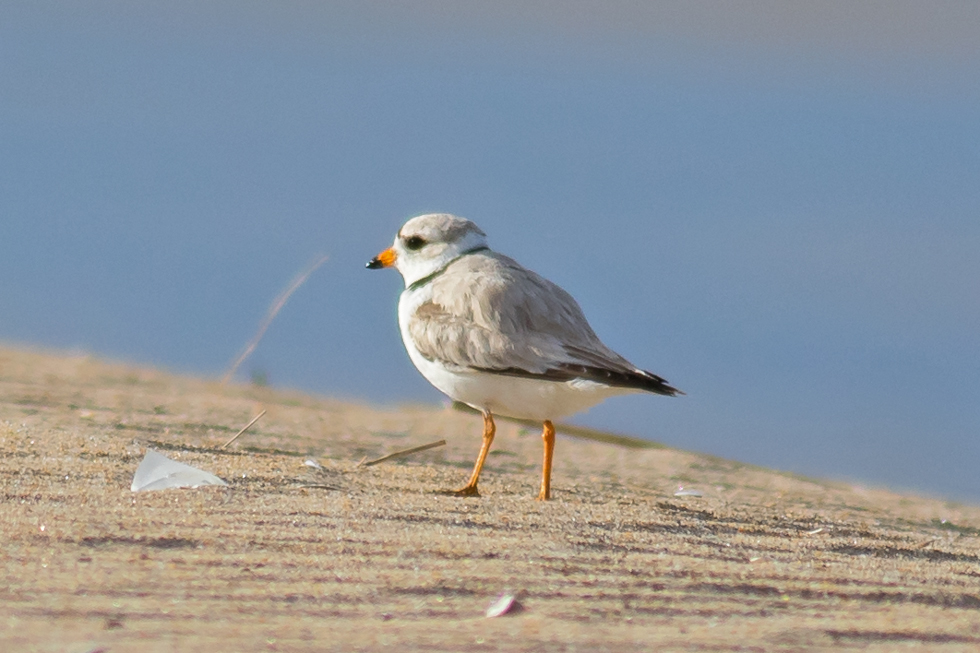
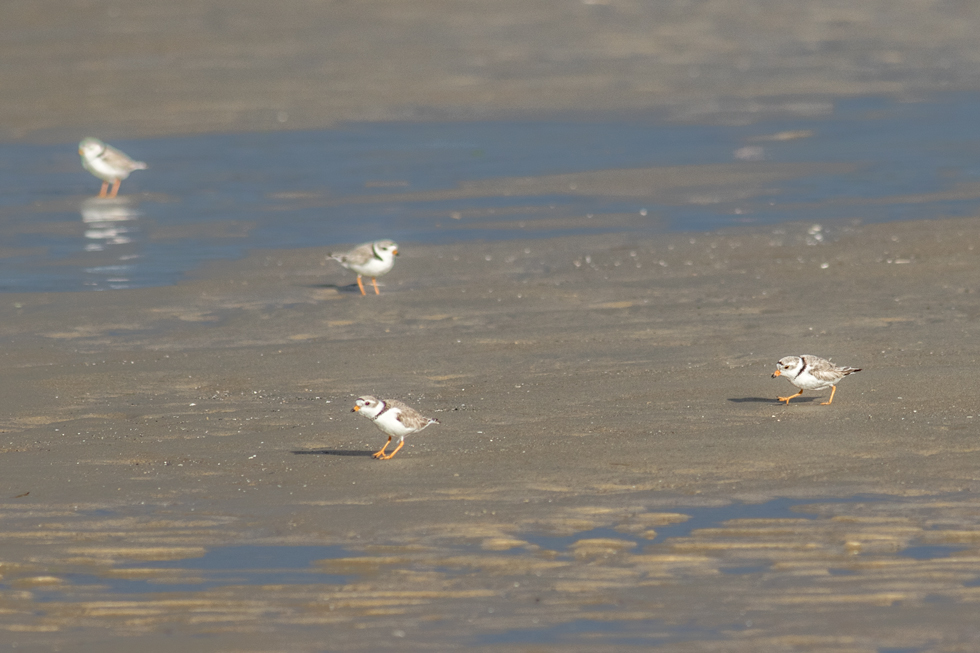
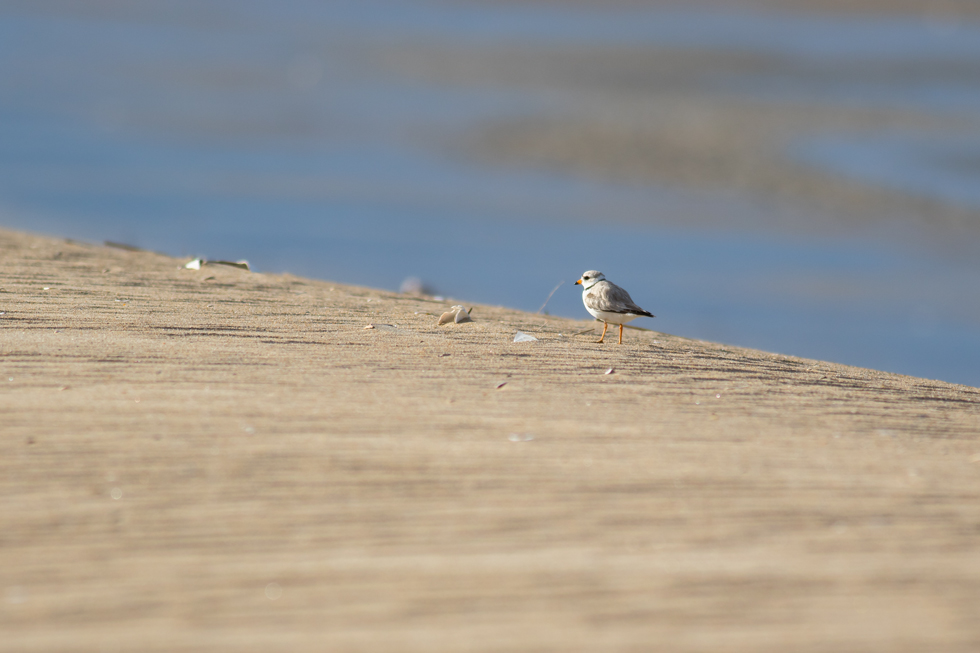
On the way home, we stopped at Plum Island, Massachusetts, which is home to the Parker River National Wildlife Refuge.  This barrier island is home to a variety of wildlife and of course birds; both residents and migrants. It provides an important nesting area for the global threatened and endangered Piping Plover. The beach where they breed is closed but we were able to get some pretty good looks at 10 or so Plovers from a part of the beach that was open. They are sparrow sized and SUPER cute.

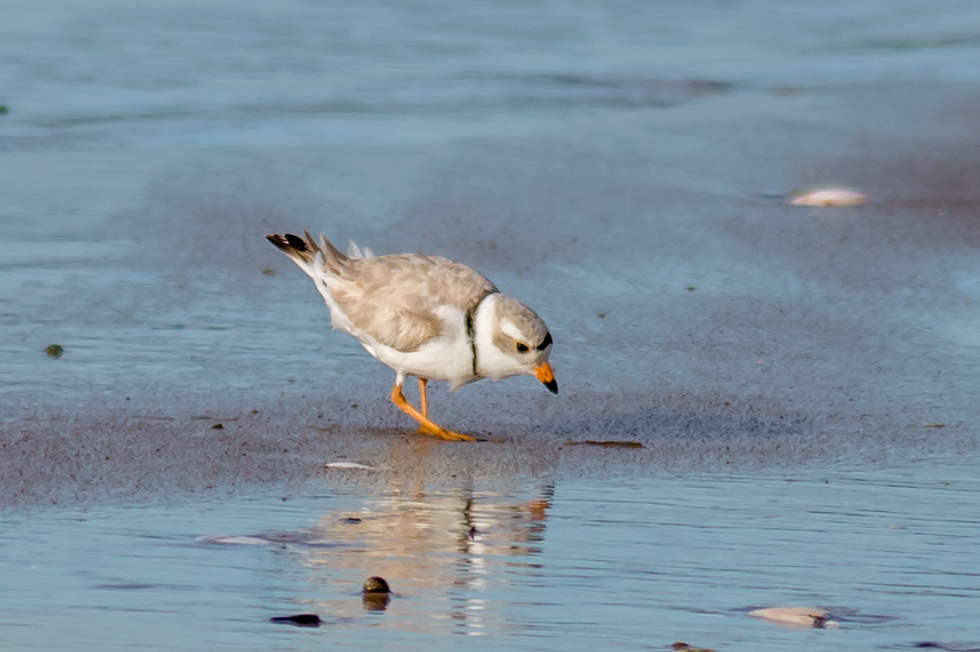
On the way home, we stopped at Plum Island, Massachusetts, which is home to the Parker River National Wildlife Refuge. This barrier island is home to a variety of wildlife and of course birds; both residents and migrants. It provides an important nesting area for the globally threatened and endangered Piping Plover. The beach where they breed is closed but we were able to get some pretty good looks at 10 or so Plovers from a part of the beach that was open. They are SUPER cute, as you can see.

The Plovers scurry around looking for insects, worms and crustaceans.

The Plovers scurry around looking for insects, worms and crustaceans.

No babies while we were there but there were active nests, according to the Refuge's Facebook page.

No babies while we were there but there were active nests, according to the Refuge’s Facebook page.

Total population is estimated at just 6,500 individuals.

Total population is estimated at just 6,500 individuals.


Welcome spring. We’ve been waiting.

Yes, it comes, eventually. We wait, with some impatience, and then suddenly, it arrives. Here’s a great excerpt from a poem by John Goethe:

LATE WISCONSIN SPRING
Snow melts into the earth and a gentle breeze
Loosens the damp gum wrappers, the stale leaves
Left over from autumn, and the dead brown grass.
The sky shakes itself out. And the invisible birds
Winter put away somewhere return, the air relaxes,
People start to circulate again in twos and threes.
The dominant feelings are the blue sky, and the year.
—Memories of other seasons and the billowing wind;
The light gradually altering from difficult to clear
As a page melts and a photograph develops in the backyard.

Of course, for me, spring is exciting. The birds that winter put away, are returning to the yard, the woods and the lakes. And so my hobby becomes much more interesting. The backyard is awakening too and of course that is nice but also means the return of yard WORK. I think I used to enjoy it more. Now, I enjoy it some of the time. This weekend we got the garden tilled up and some kale and kohlrabi plants in. The grass already needed a trim. The hummingbird and oriole feeders are out; we’re ready.

Of course the first thing to awaken is my backyard nemesis.

Of course the first thing to awaken is my backyard nemesis.

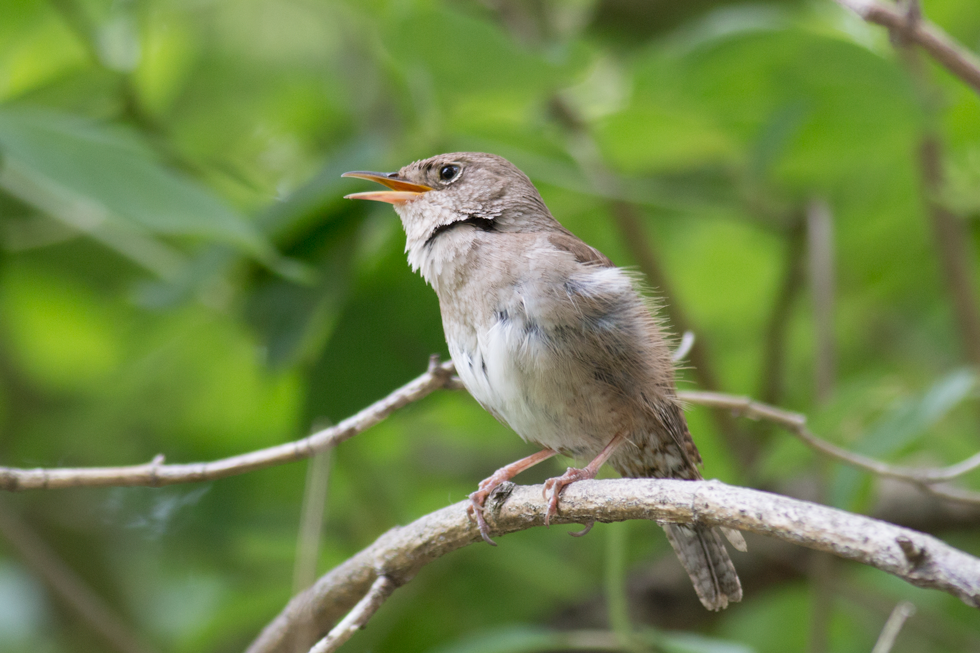
Our first returning House Wren wasted not time and started checking out possible nesting sites so he's ready when his lady returns.

Our first returning House Wren wasted not time and started checking out possible nesting sites so he’s ready when his lady returns.

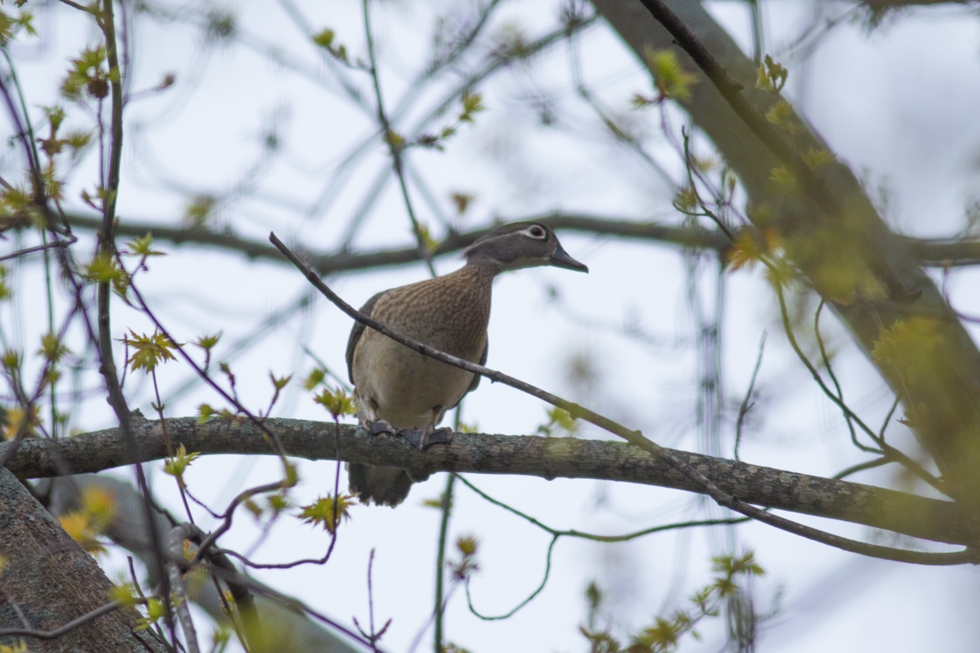
We had a couple Wood ducks fly in to a tree in our yard the other day. Funny to see them just perched like a sparrow or chickadee.

We had a couple Wood ducks fly in to a tree in our yard the other day. Funny to see them perched like a sparrow or chickadee, high in a tree.

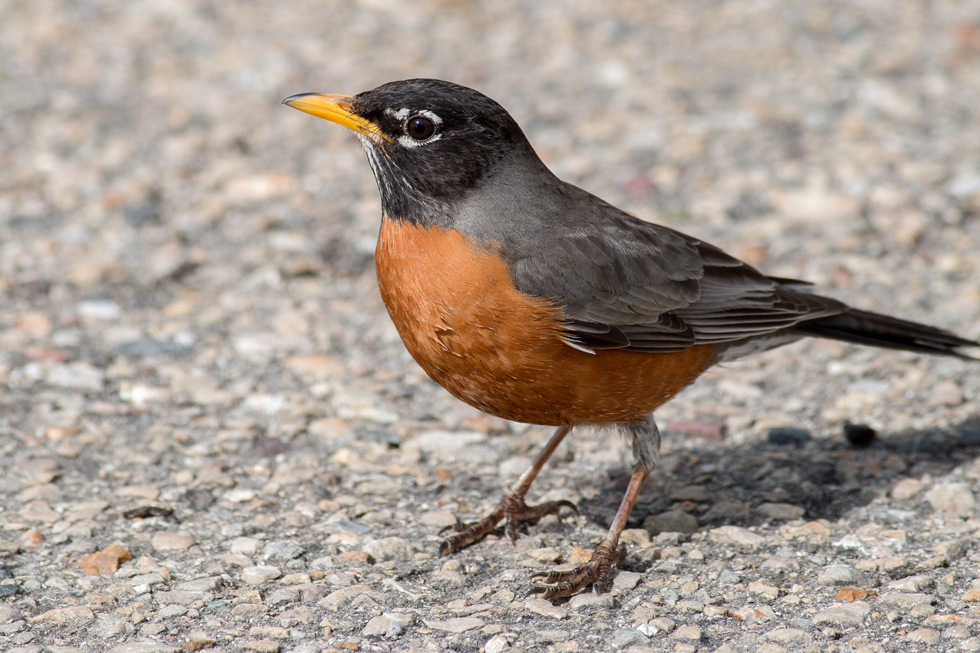
Although a few stay around all winter, when Robins start arriving in numbers, you know Spring is really here.

Although a few stay around all winter, when Robins start arriving in numbers, you know Spring is really here.

And here are a few from my spring ramblings.

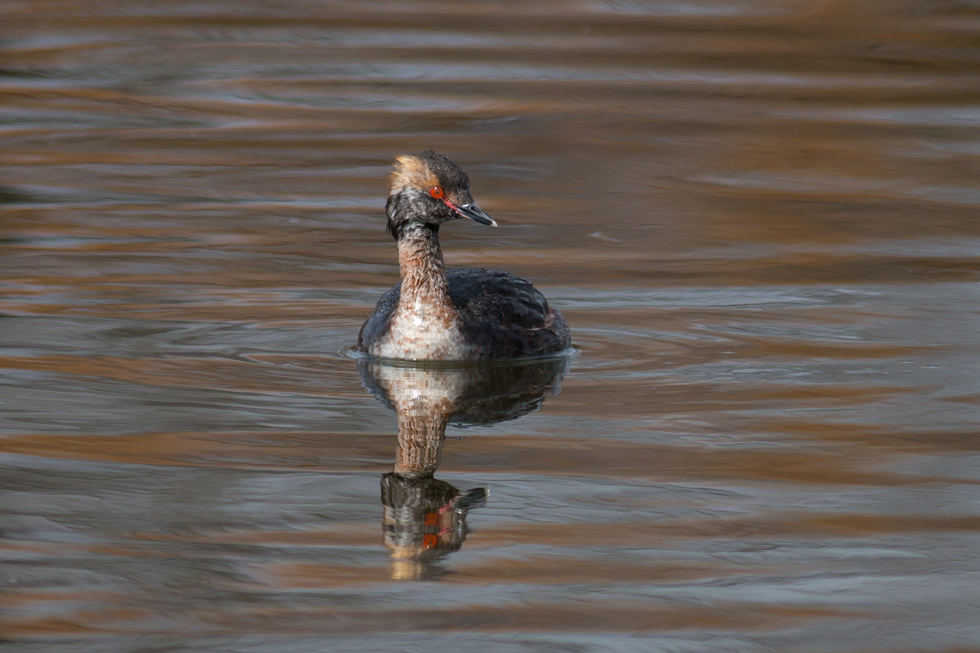
Horned Grebe. A weird and wonderful looking bird.

Horned Grebe. A weird and wonderful looking bird.

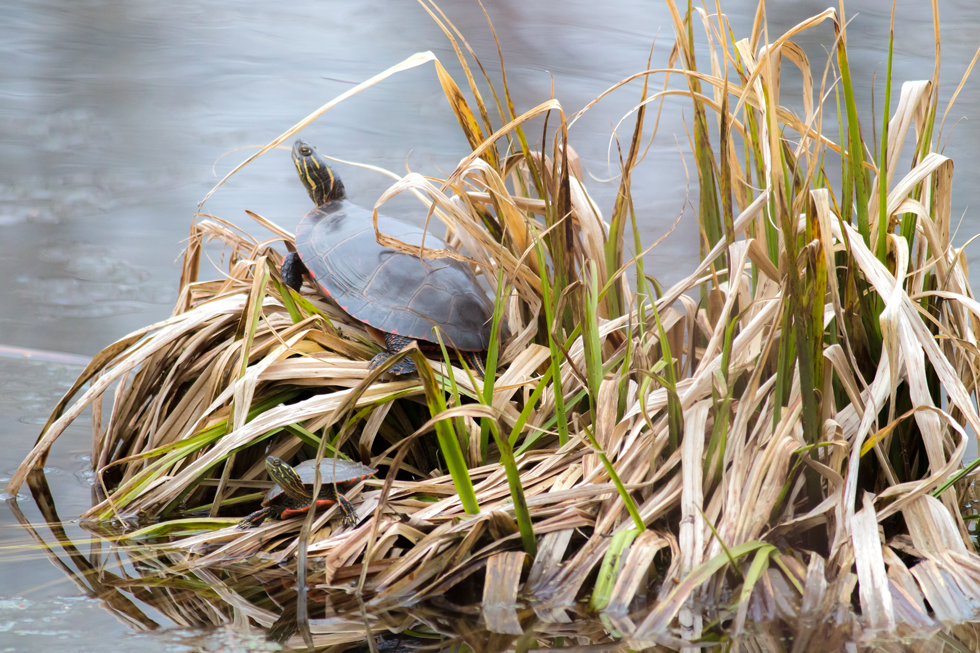
Painted turtles catching some spring sun.

Painted turtles catching some spring sun.

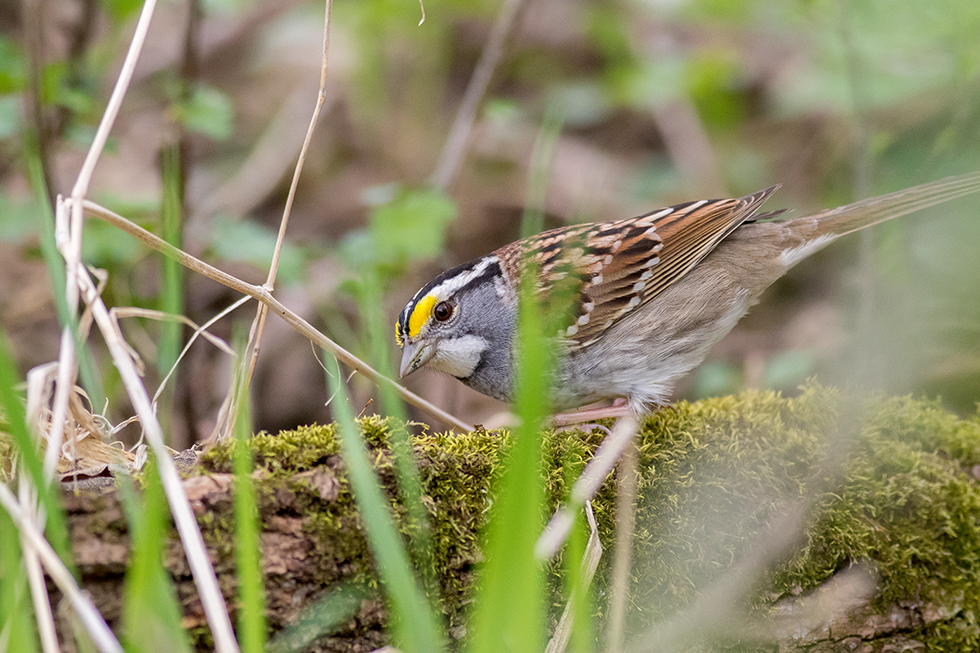
White-throated Sparrow foraging in the undergrowth.

White-throated Sparrow foraging in the undergrowth.

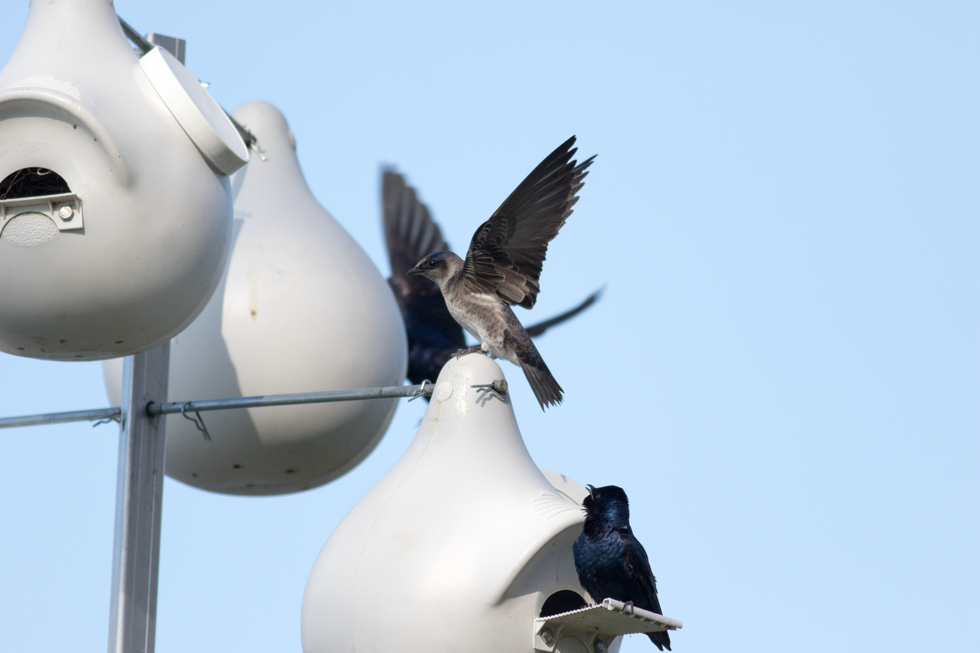
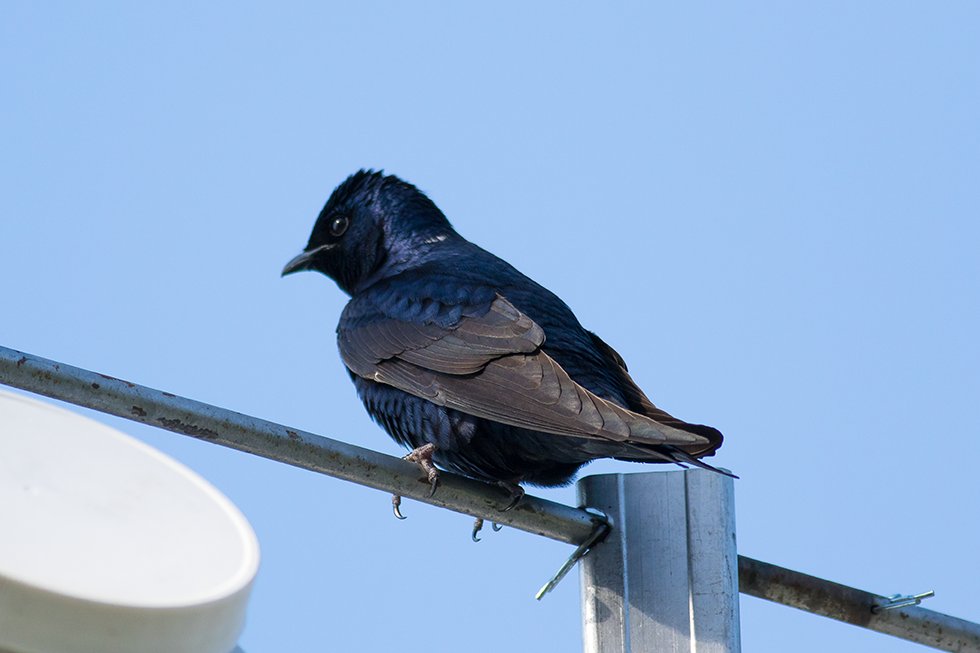
Purple Martins at Lake Kegonsa State Park.

Purple Martins at Lake Kegonsa State Park.

A beautiful male Purple Martin.

A beautiful male Purple Martin.

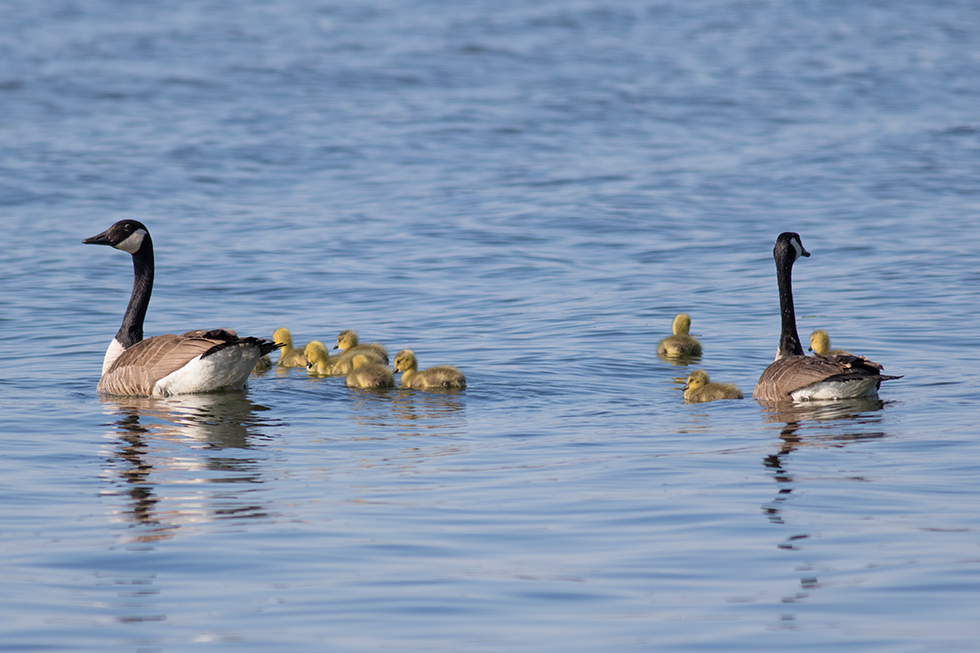
Some Canada Geese started early and already have a family to tend.

Some Canada Geese started early and already have a family to tend.

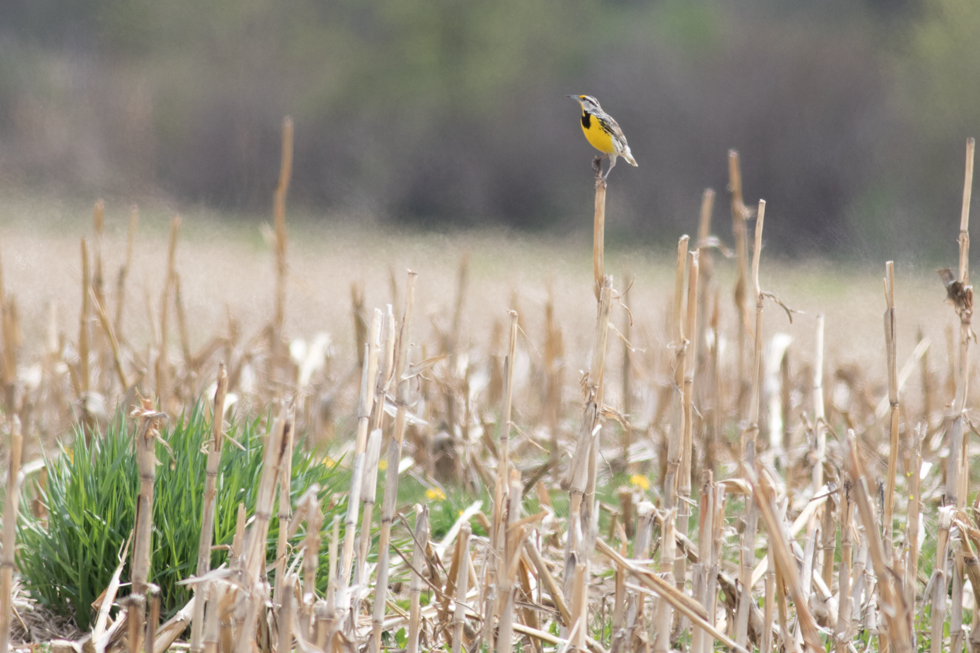
Meadowlark! I love hearing them sing.

Meadowlark! I love hearing them sing.

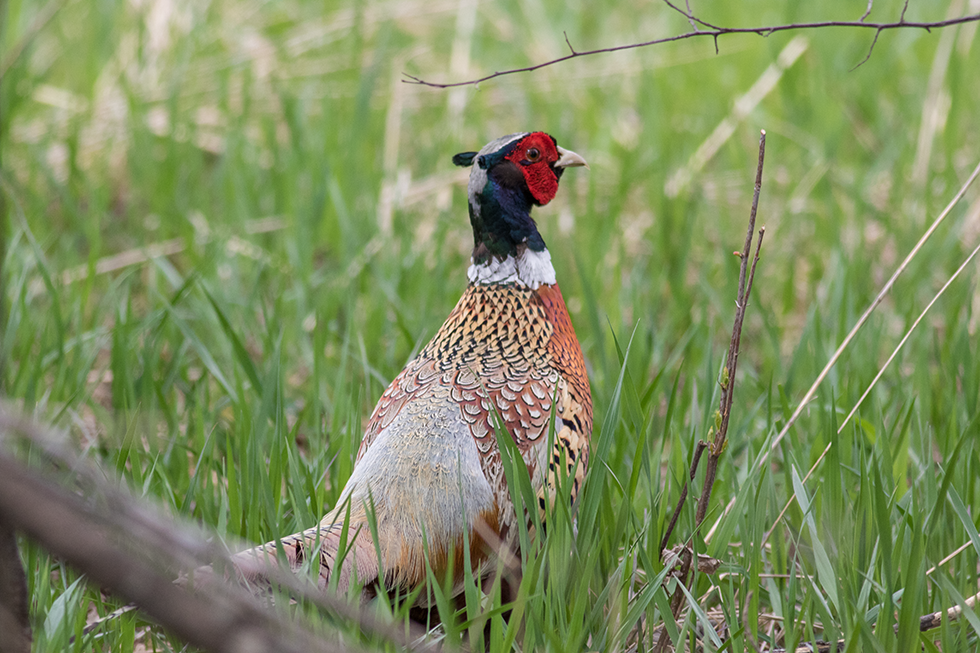
Happened across this pretty fellow along a country road.

Happened across this pretty fellow along a country road.

Happy Spring Everyone.


January

The days are short,
The sun a spark,
Hung thin between
The dark and dark.

–John Updike

Although it’s just mid-January, the days are already noticeably longer. Still, they seem dark, cold, and much too short. The rays of the sun—when the sun chooses to make an appearance—hit our state at such a shallow angle that there isn’t much warmth or light. The backyard has been busy especially with the recent cold and snow. The birds, squirrels, rabbits and voles are taking advantage of the seed and suet I put out as well as the heated birdbath, which is a new addition to the backyard. I’m just glad I’m in here watching from the warmth of the house.

Yeah, we don't want to go out either. We'll just stay right here on the couch.

Yeah, we don’t want to go out either. We’ll just stay right here on the couch.

A Gallery of Yard Birds

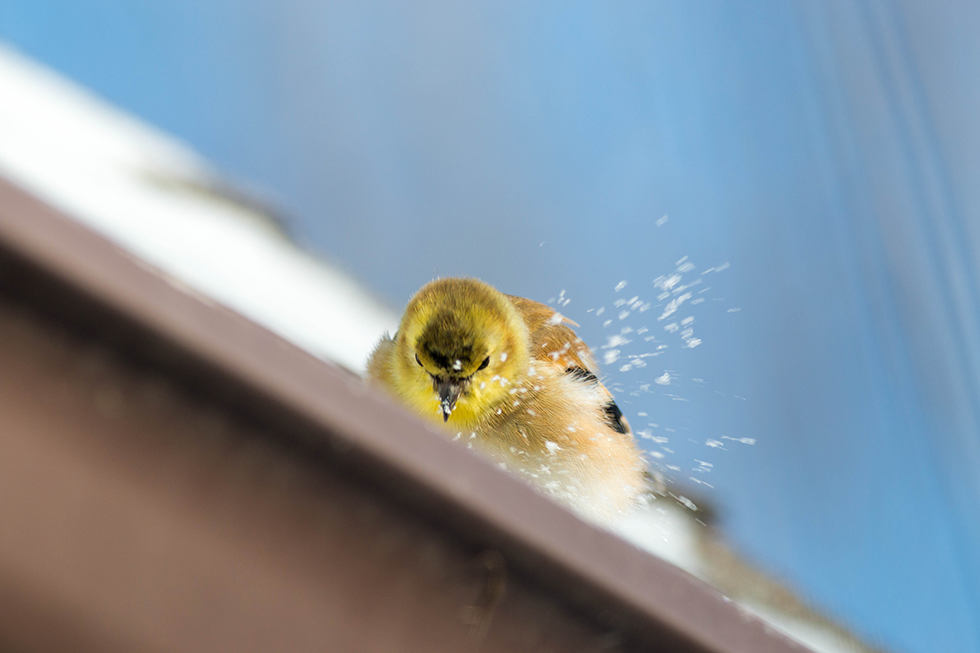
We have a bird feeder in the front yard and one in the back. The birds like to sit on (or in) the gutters in the front and fly down to the feeders.

We have a bird feeder in the front yard and one in the back. The birds like to sit on (or in) the gutters in the front and fly down to the feeders.

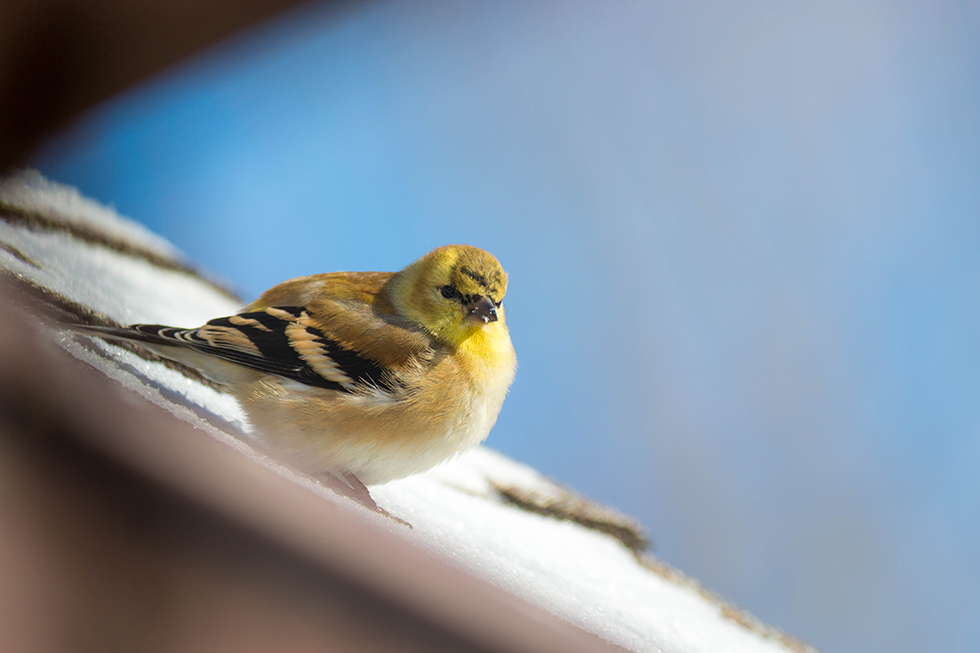
The male Goldfinches are already starting to develop their bright yellow breeding plumage. That means spring isn't far away, right?

The male Goldfinches are already starting to develop their bright yellow breeding plumage. That means spring isn’t far away, right?

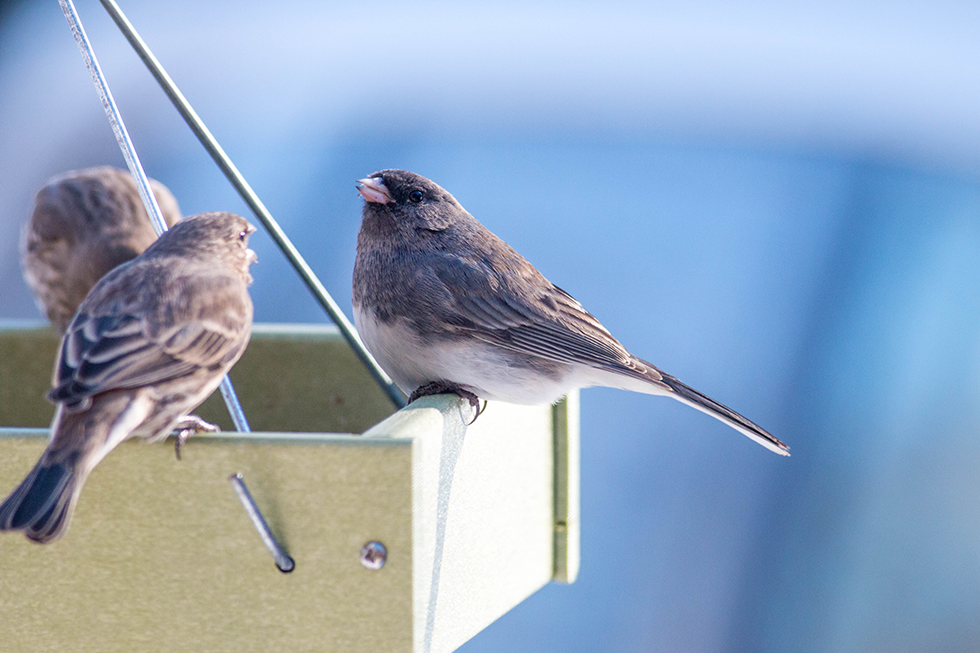
Most of the time, the Dark-eyed Juncos feed on the ground but this one decided to try the platform feeder. The House Finch to his left was squawking at him.

Most of the time, the Dark-eyed Juncos feed on the ground but this one decided to try the platform feeder. The House Finch to his left was squawking at him.

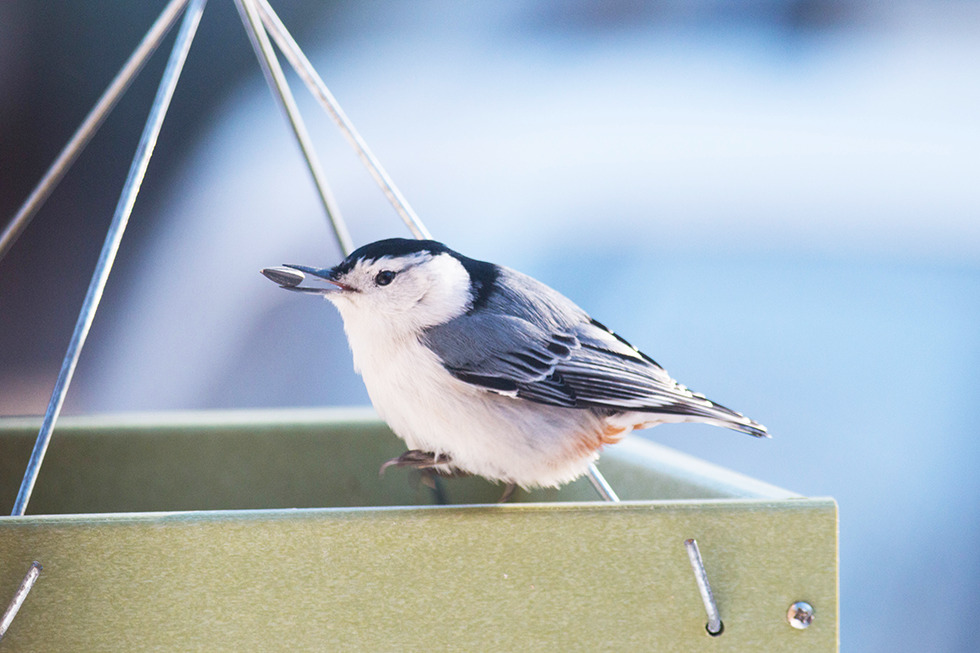
White-breasted Nuthatch ready to cache a sunflower seed.

White-breasted Nuthatch ready to cache a sunflower seed.

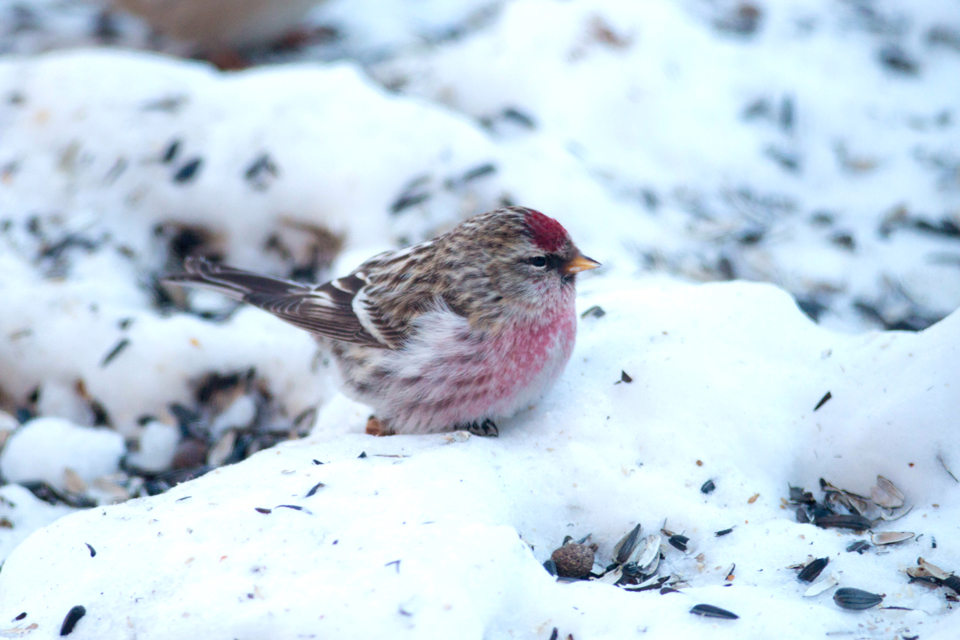
NEW Feeder Bird: Common Redpoll. Never had one of these at the feeder before and one or two have been showing up regularly over the last few weeks.

NEW Feeder Bird: Common Redpoll. Never had one of these at the feeder before and one or two have been showing up regularly over the last few weeks.

Short-Eared Owls

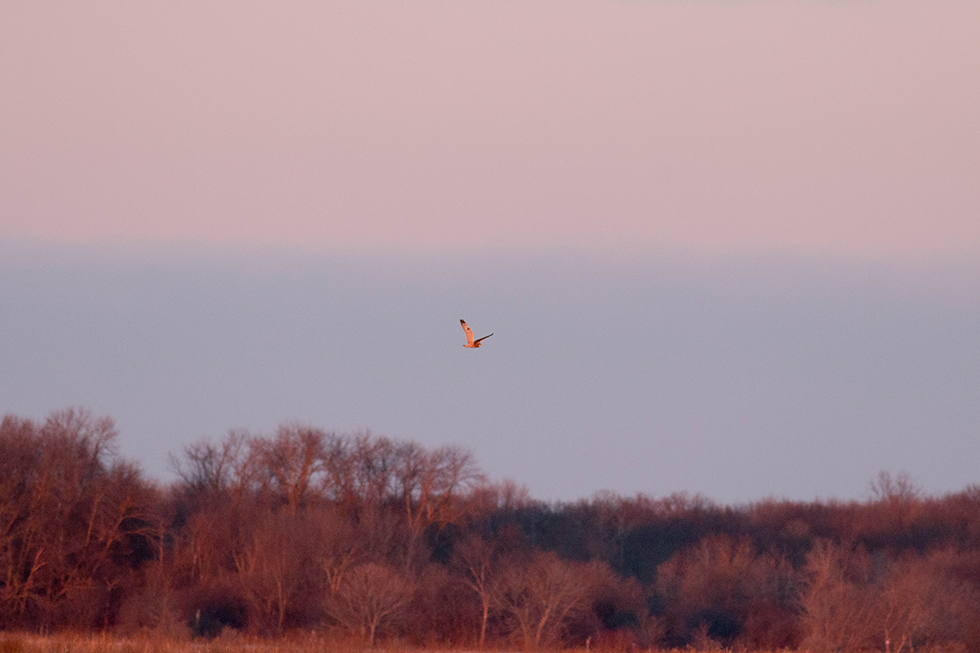
On January 4th, Annette and I took a day trip to Paradise Valley State Wildlife Area near Sullivan, Wisconsin. It’s only about an hours drive from here and we had heard that one could view Short-eared owls in the late afternoon as they start waking up and hunting for food. It was an amazing experience. We watched Northern Harriers and Owls silently cruise the marsh while a beautiful winter sun set in the western sky.

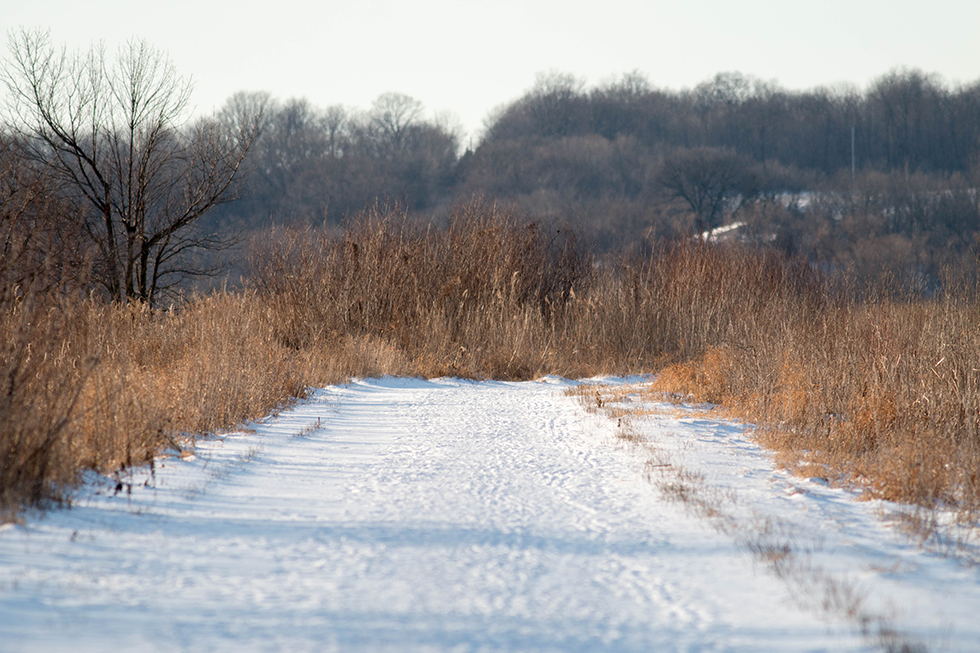
Paradise Valley State Wildlife Area, Sullivan, WI.

Paradise Valley State Wildlife Area, Sullivan, WI.

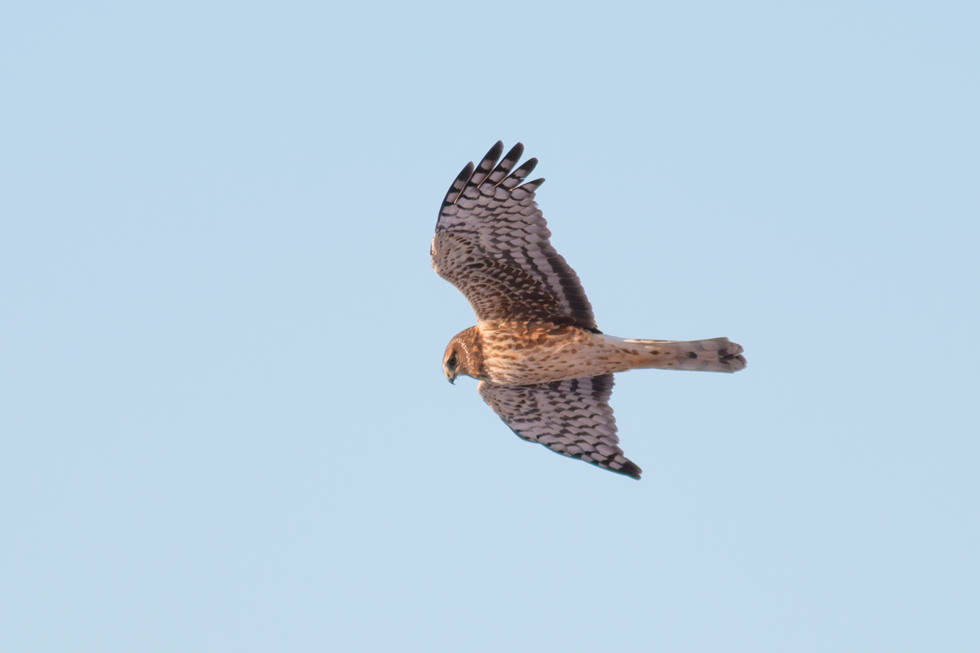
Female Northern Harrier

Female Northern Harrier

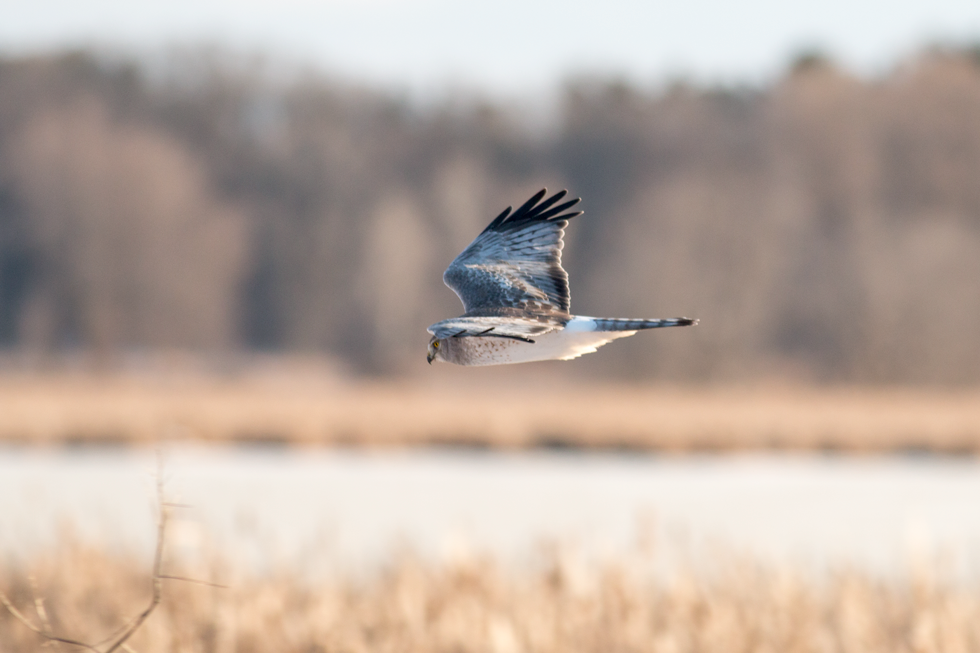
Male Northern Harrier

Male Northern Harrier

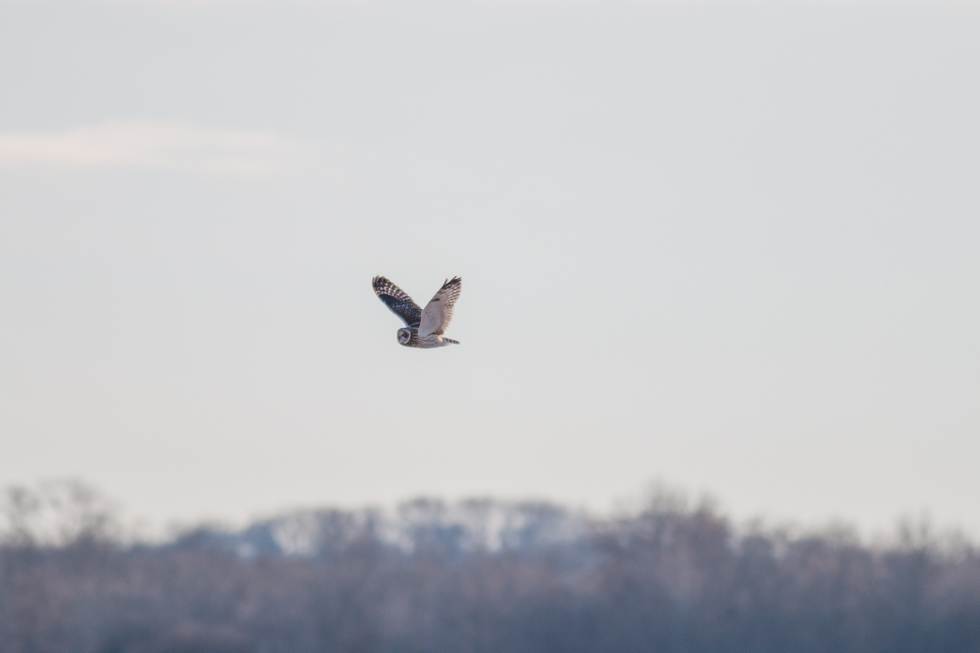
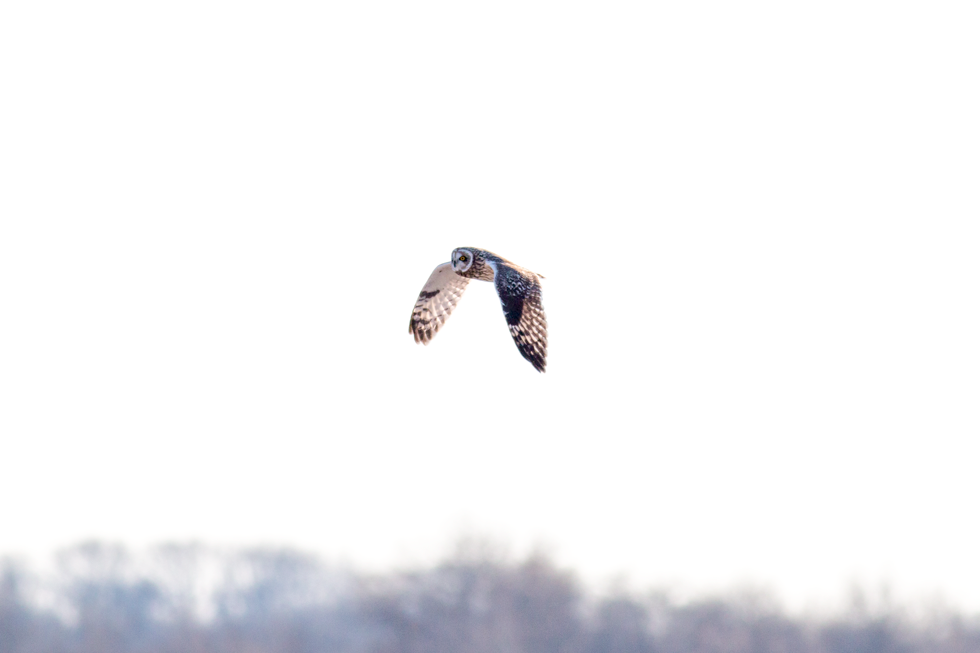
Short-eared owl begins its evening hunt.

Short-eared owl begins its evening hunt.

Unique and distinctive faces on these birds. They do have short ear tufts but you couldn't really see them when they were in flight. We saw 7-8 owls.

Unique and distinctive faces on these birds. They do have short ear tufts but you couldn’t really see them when they were in flight. We saw 7-8 owls.

Short-eared owls are mainly winter residents of Wisconsin. They spend their summers in Canada and Alaska.

Short-eared owls are mainly winter residents of Wisconsin. They spend their summers in Canada and Alaska.

A Few More January Birds

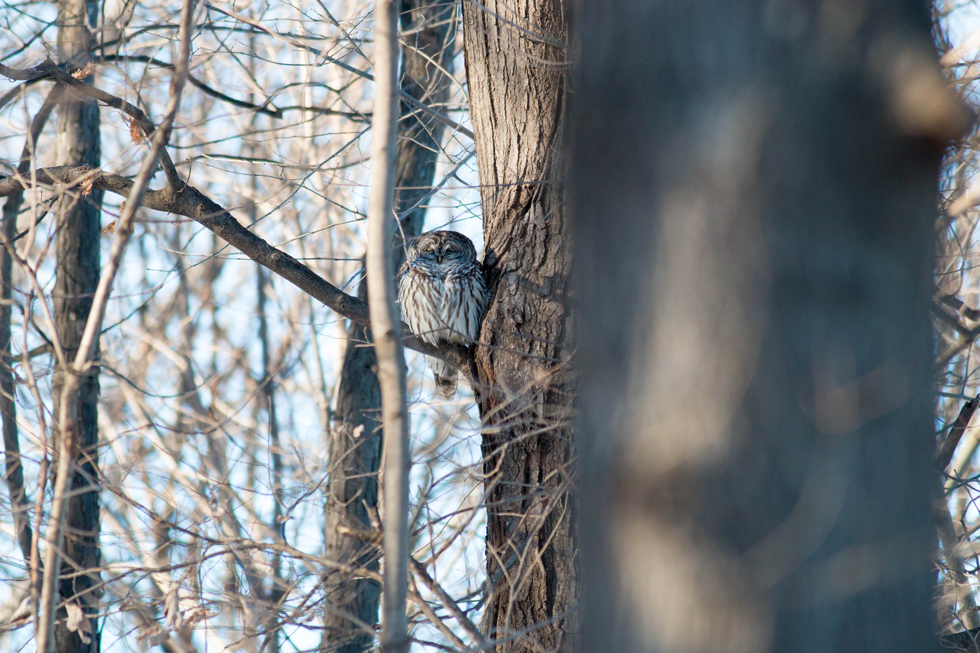
Barred Owl, UW Lakeshore Path, Madison

Barred Owl, UW Lakeshore Path, Madison

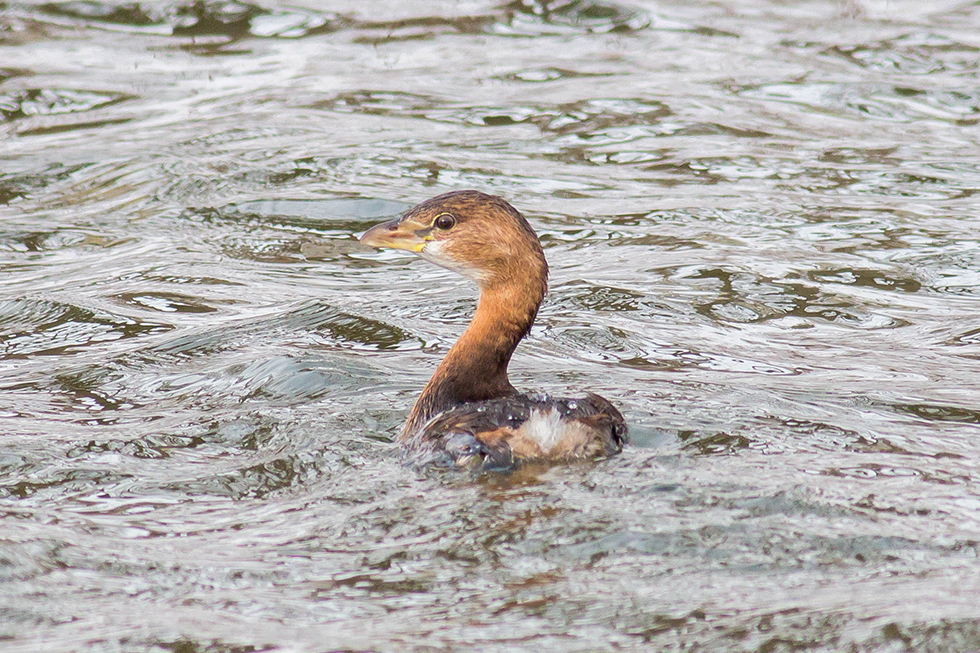
Pied-billed Grebe, Yahara River, Stoughton,

Pied-billed Grebe, Yahara River, Stoughton,

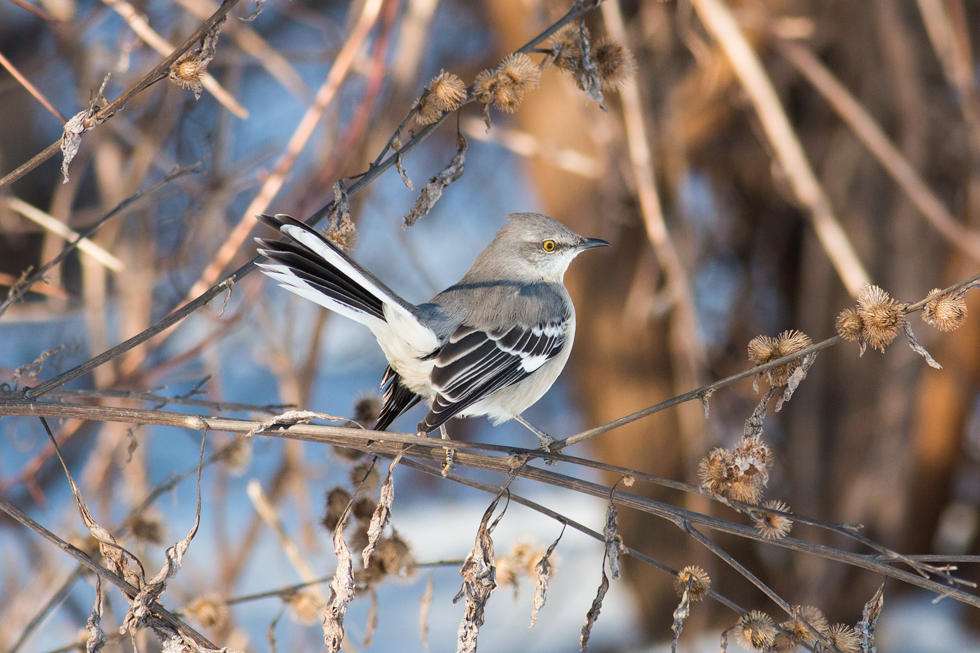
Northern Mockingbird, Madison. A rare bird for Wisconsin. Mostly lives in the in the south and southwest.

Northern Mockingbird, Madison. A rare bird for Wisconsin. Mostly lives in the in the south and southwest.

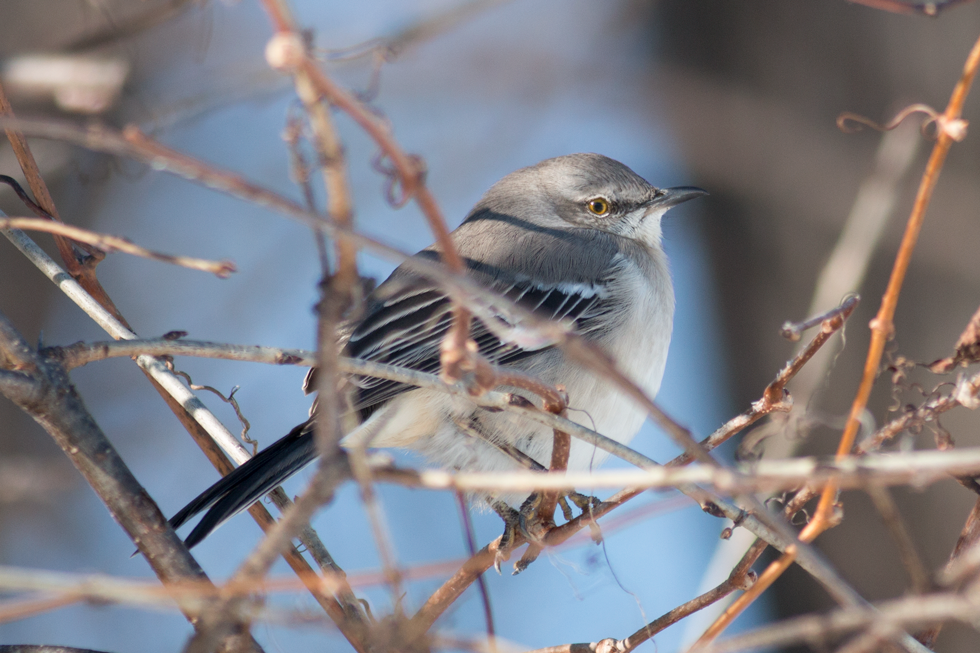
Another view of the Northern Mockingbird.

Another view of the Northern Mockingbird.

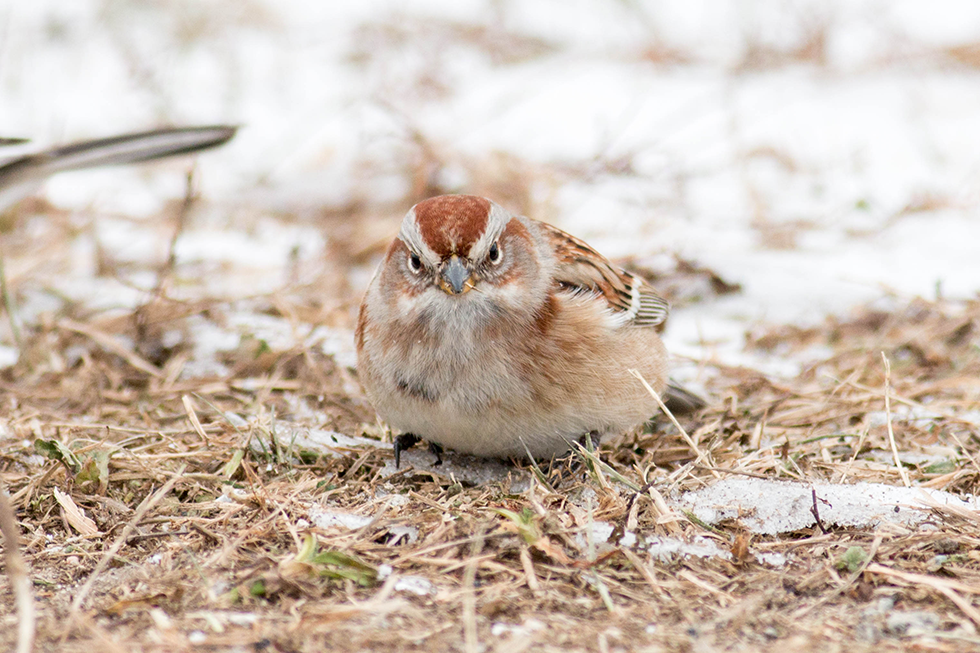
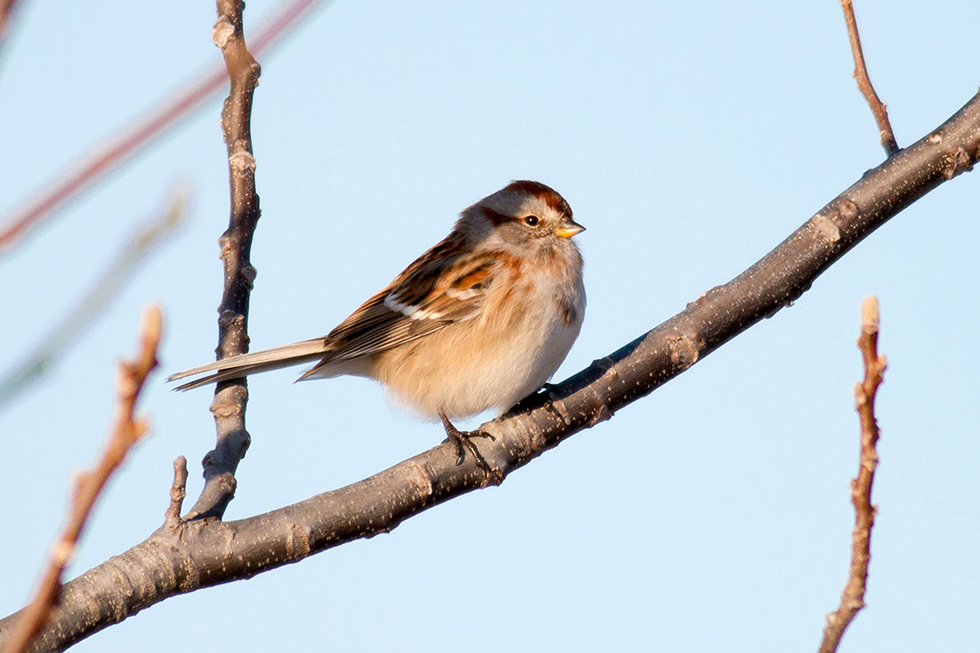
Grumpy American Tree Sparrow

Grumpy American Tree Sparrow

American Tree Sparrow, not grumpy

American Tree Sparrow, not grumpy

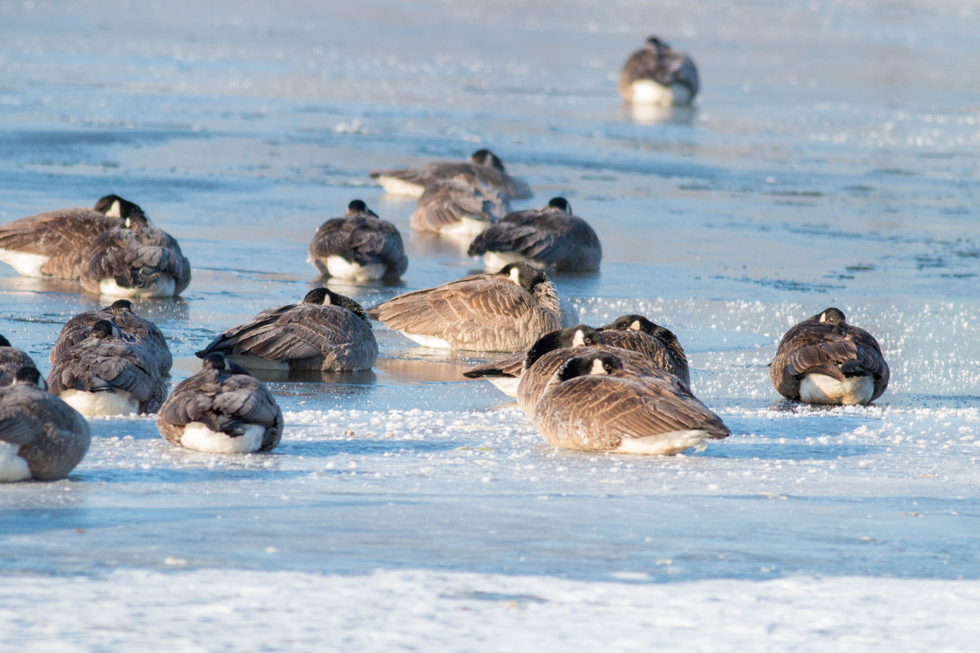
A very cold morning yesterday. Even the geese were all tucked in.

A very cold morning yesterday. Even the geese were all tucked in.

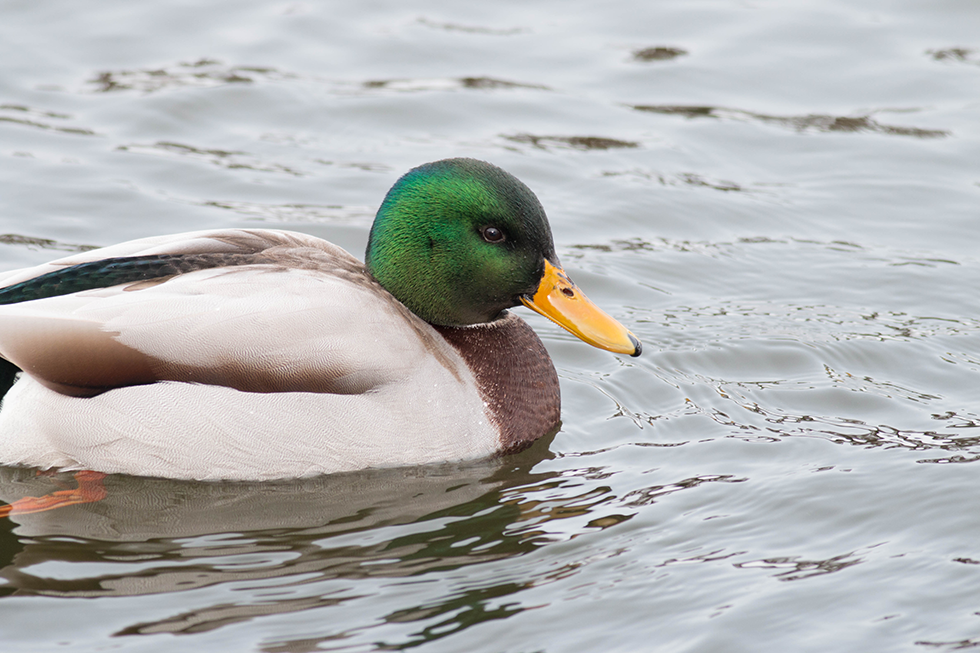
Common but beautiful.

Common but beautiful.

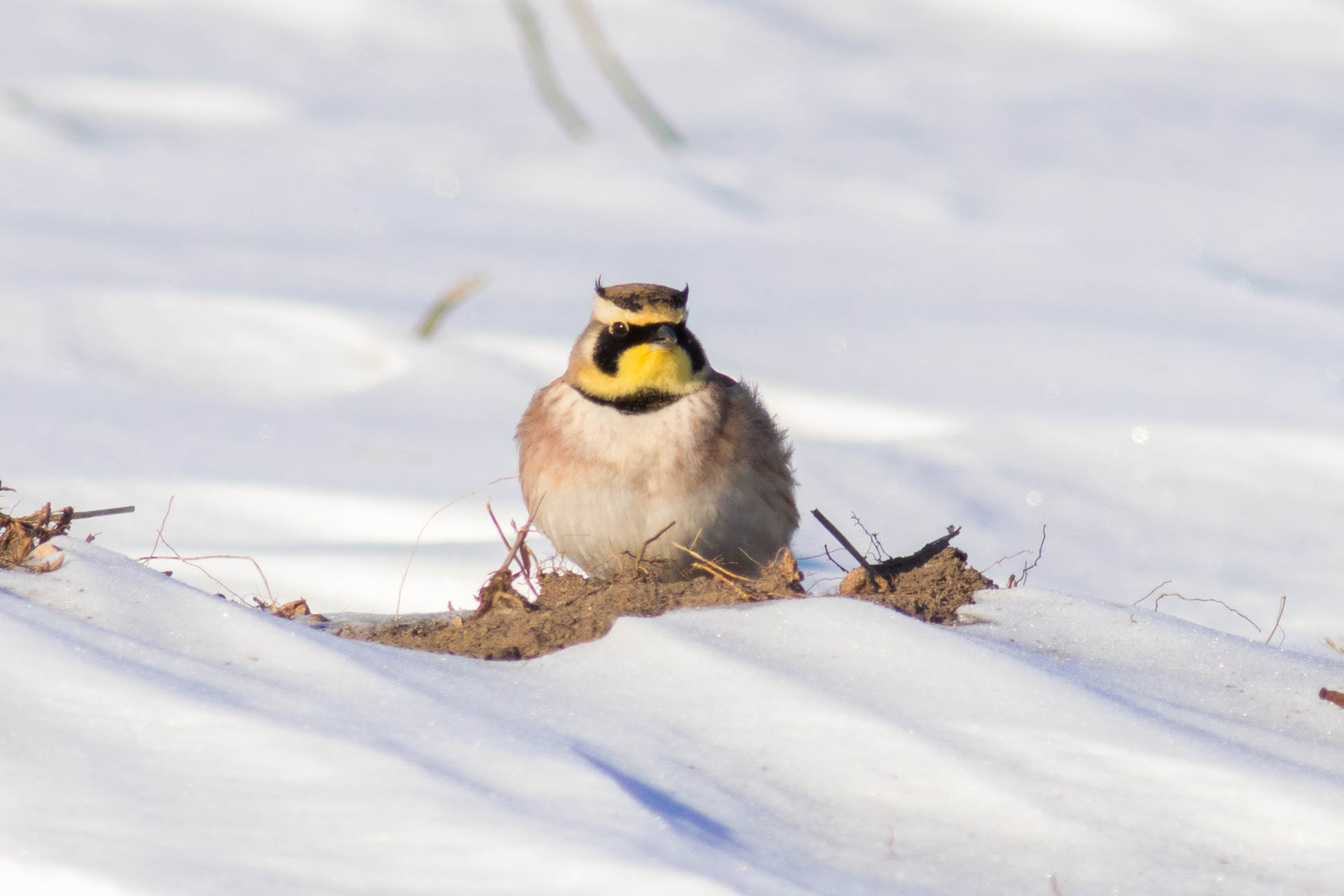
Horned Lark, Farm fields south of Stoughton

Horned Lark, Farm fields south of Stoughton

So winter is good. There are still beautiful things to see and enjoy. Get out there and find something that makes you happy.

lakeshore


Fall Sparrows

I used to think sparrows were some of the least interesting and least colorful birds—just little brown birds that all look alike. But I’ve changed my mind as I’ve become more interested in birds in general, and realized that there are so many different sparrow species. Many of them we only get to see during spring and/or fall migration so paying attention during these periods really pays off if you’re a birder. This fall I’ve been lucky to find and photograph quite a few different sparrows and learn about their habits and habitat. Pretty cool stuff. Here are some of the sparrows I’ve photographed in the last month. Enjoy!

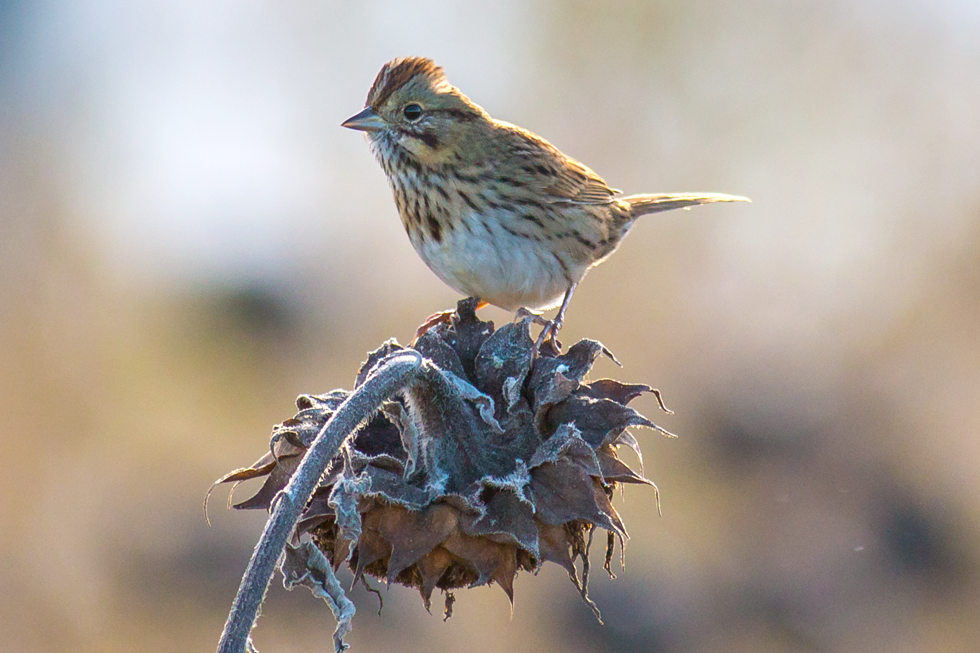
Lincoln's Sparrow. With it's alert posture and punky hairdo, it's one of my favorite sparrows.

Lincoln’s Sparrow. With it’s alert posture and punky hairdo, it’s one of my favorite sparrows.

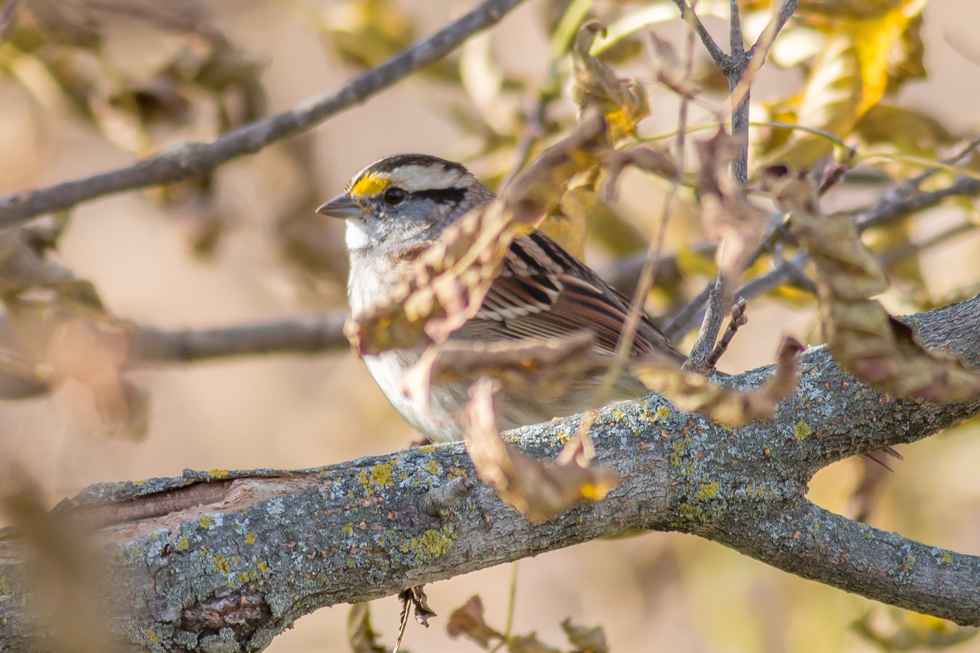
White-throated Sparrow. A denizen of the north making its way back to its wintering grounds in the southeast U.S.

White-throated Sparrow. A denizen of the north making its way back to its wintering grounds in the southeast U.S.

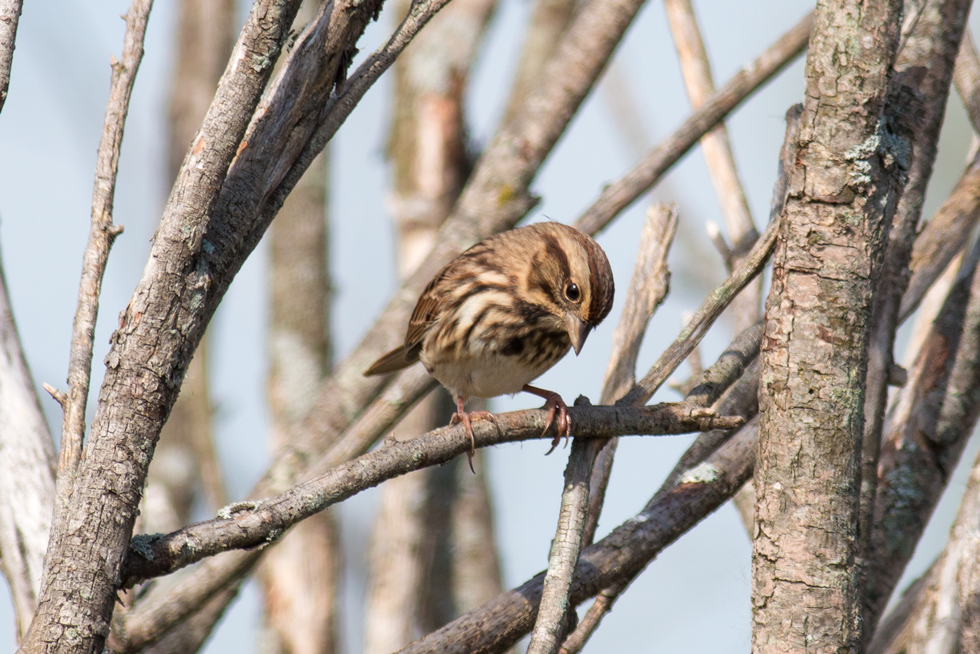
Song Sparrow. A summer resident and a sparrow that most of us recognize by song if not by sight.

Song Sparrow. A summer resident and a sparrow that most of us recognize by song if not by sight.

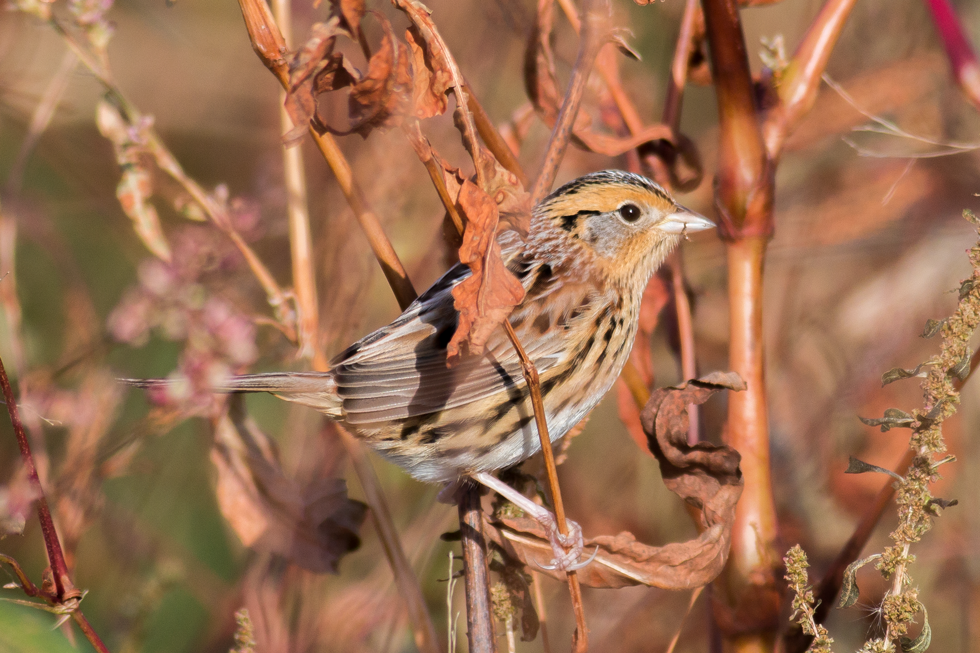
Le Conte's Sparrow. This was a first for me this fall. A strikingly marked little beauty.

Le Conte’s Sparrow. This was a first for me this fall. A strikingly marked little beauty.

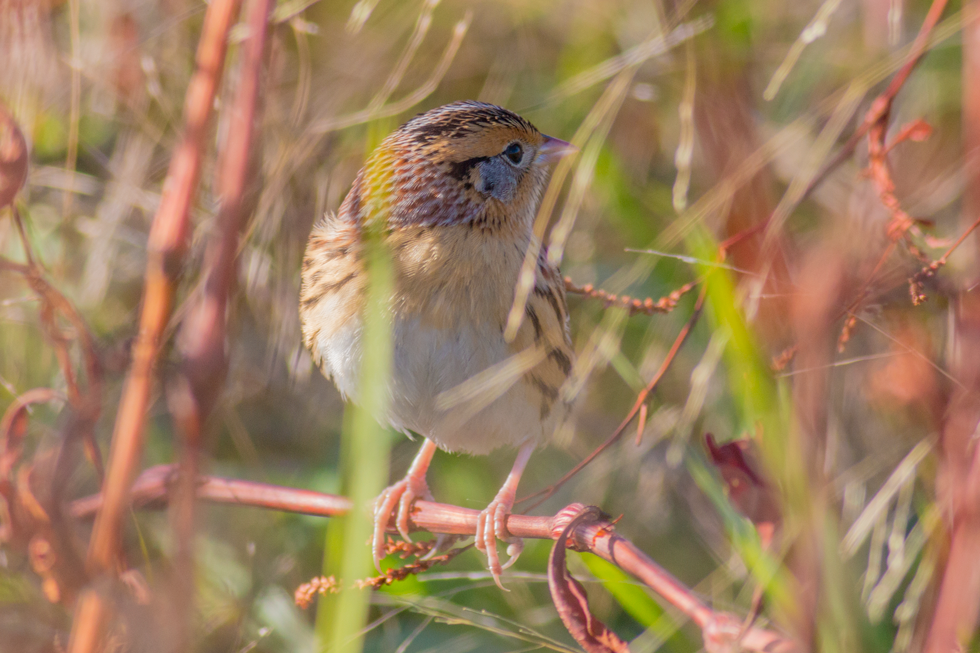
Another view of the Le Conte's Sparrow.

Another view of the Le Conte’s Sparrow.

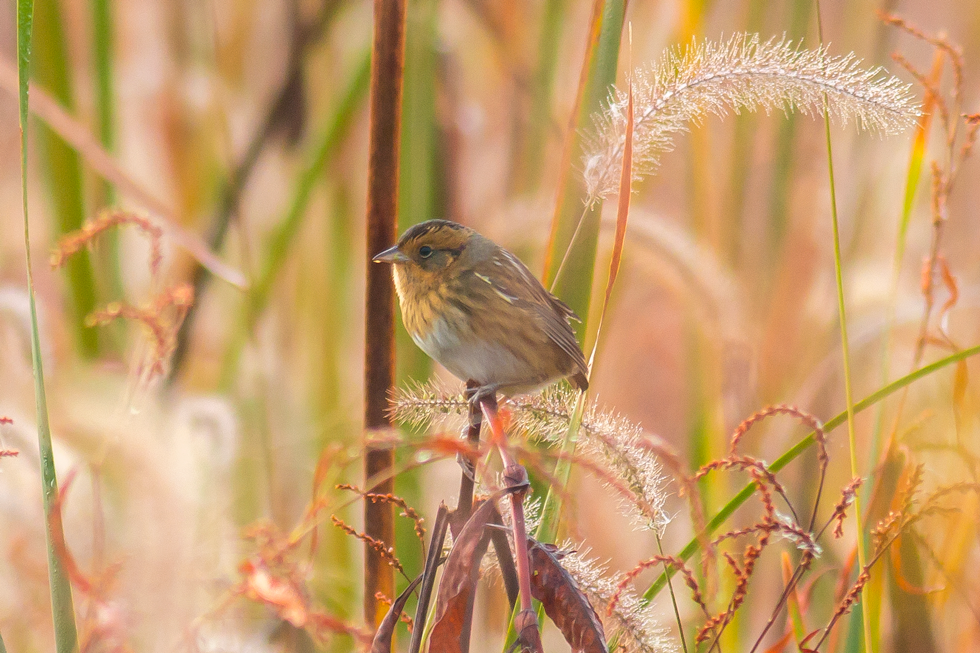
Nelson's Sparrow. Another uncommon fall visitor.

Nelson’s Sparrow. Another uncommon fall visitor.

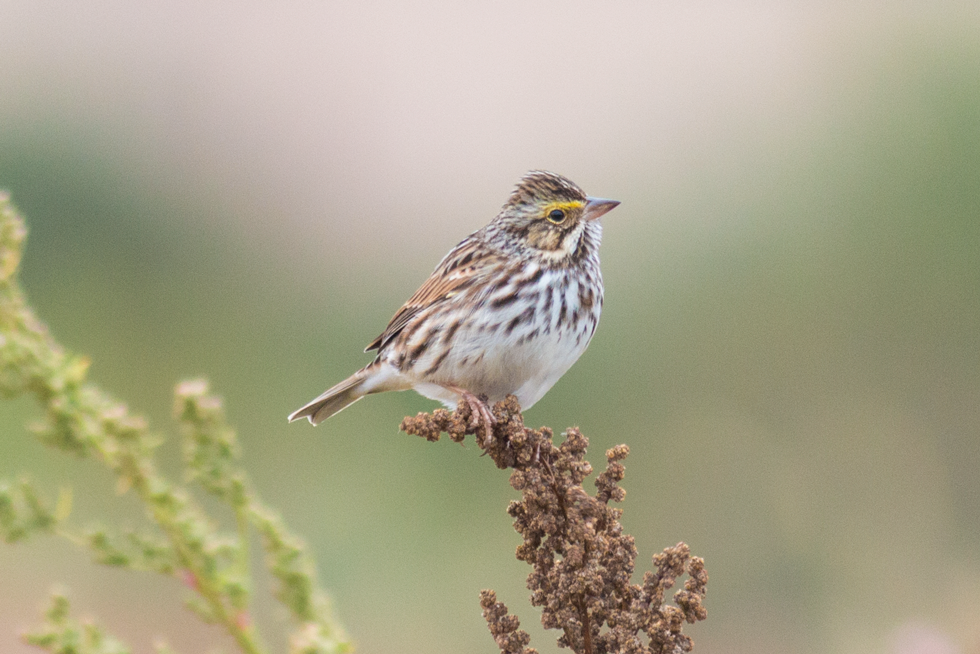
Savanna Sparrow. Beautiful and rather friendly allowing for nice close-up photographs.

Savanna Sparrow. Beautiful and rather friendly allowing for nice close-up photographs.

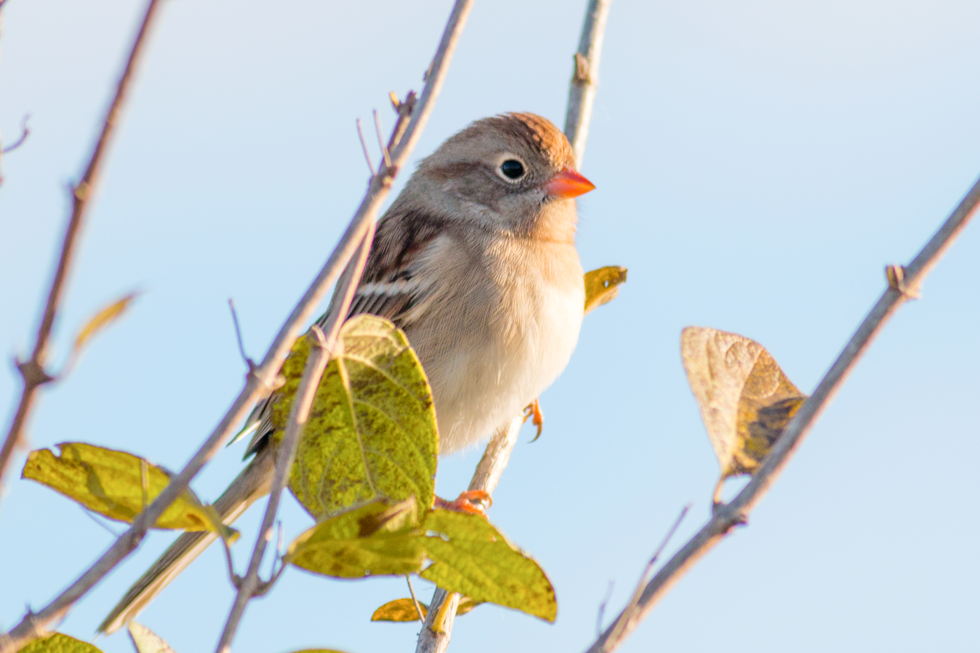
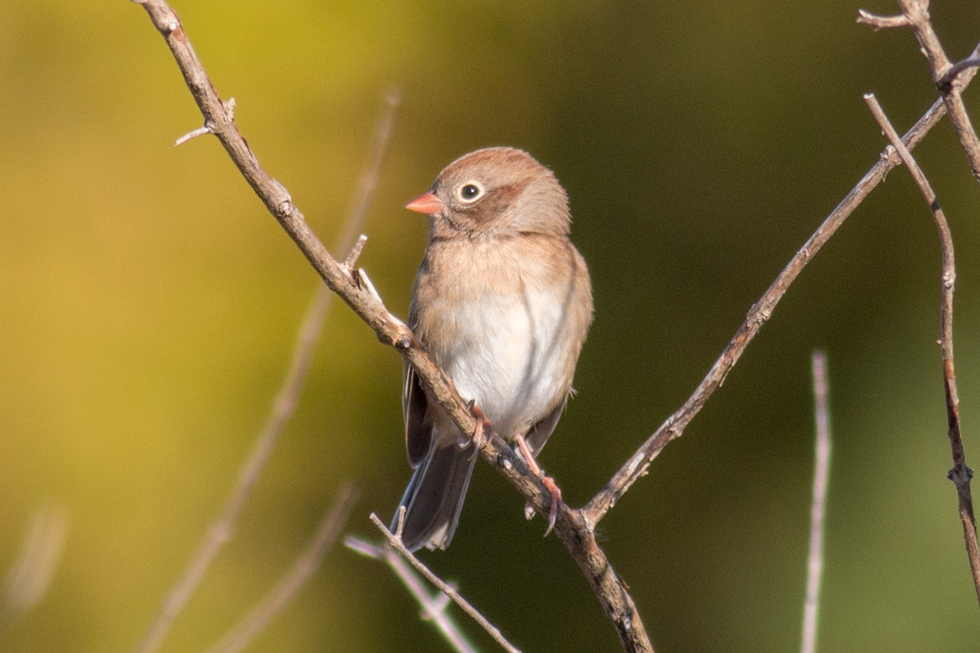
Field Sparrow. Another summer resident. They look so cute and fluffy and perpetually surprised with their white eye-ring.

Field Sparrow. Another summer resident. They look so cute and fluffy and perpetually surprised with their white eye-ring.

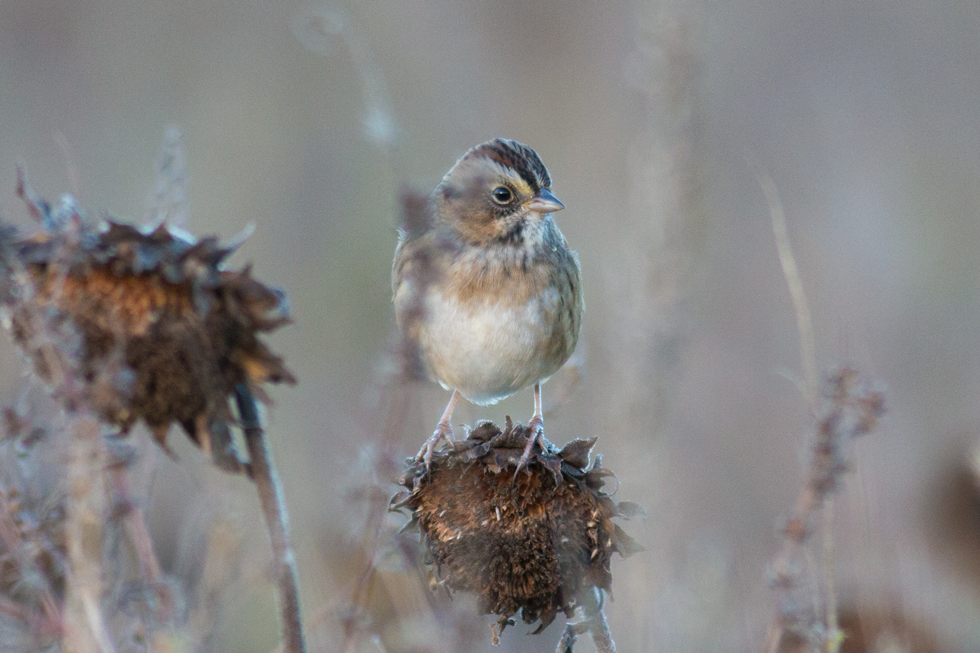
Swamp Sparrow. Another Wisconsin summer resident.

Swamp Sparrow. Another Wisconsin summer resident.

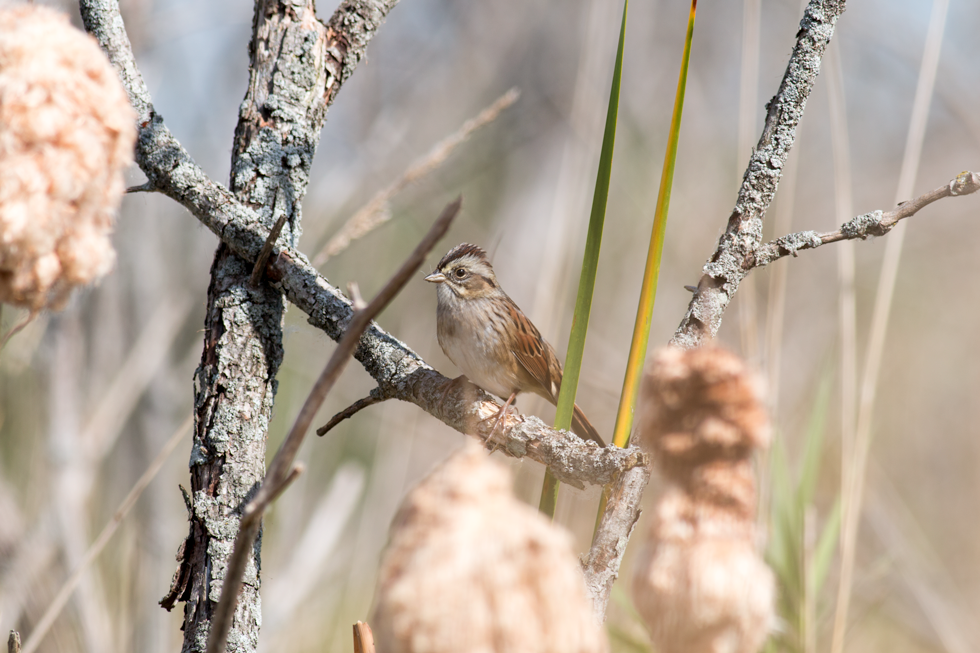
Swamp Sparrow 2. Amongst the cattails where they are often found.

Swamp Sparrow 2. Amongst the cattails where they are often found.

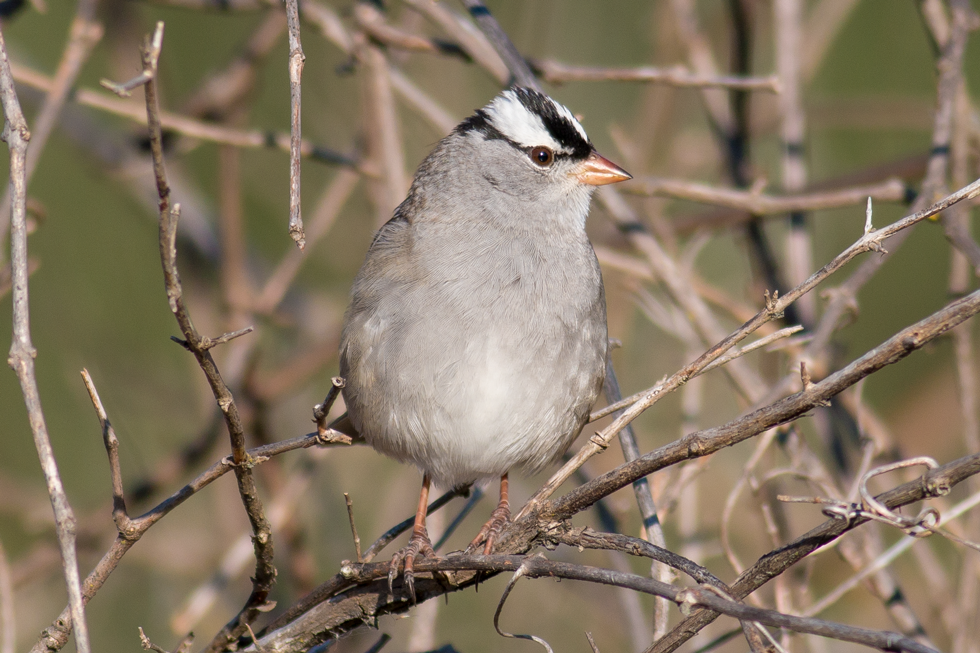
White-crowned Sparrow. Can't really mistake this guy for any other species! The racing striped helmet gives it away!

White-crowned Sparrow. Can’t really mistake this guy for any other species! The racing striped helmet gives it away!

Field Sparrow 2.

Field Sparrow 2.

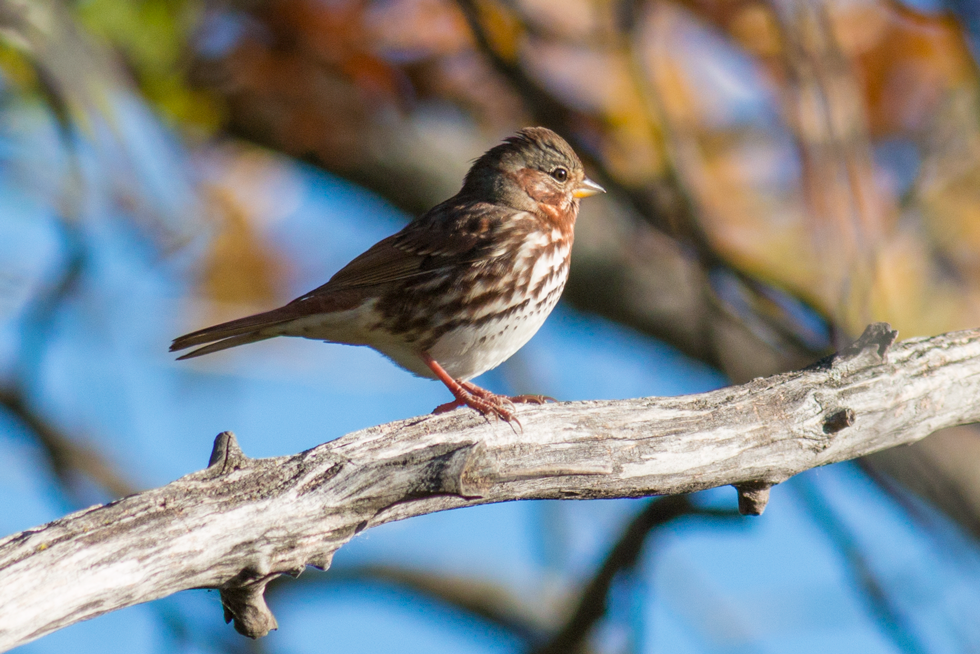
Fox Sparrow. One of the largest sparrows and a summer resident of northern Canada and Alaska.

Fox Sparrow. One of the largest sparrows and a summer resident of northern Canada and Alaska.


There you have it, a Fall Sparrow roundup!


Crex Meadows

Earlier this month, I traveled to Northwestern Wisconsin for a family reunion. My Mom’s side of the family emigrated from Sweden and settled on a farm near Grantsburg and every year there is a gathering at the spot where it all started. I am sorry to say that I haven’t attended since I was probably 16 or 17 years old, but made the trip this year and am glad that I did. It was wonderful connecting with family members after all this time and made me appreciate my roots. Thanks to the Carlson and Anderson families for hosting and making everything special.

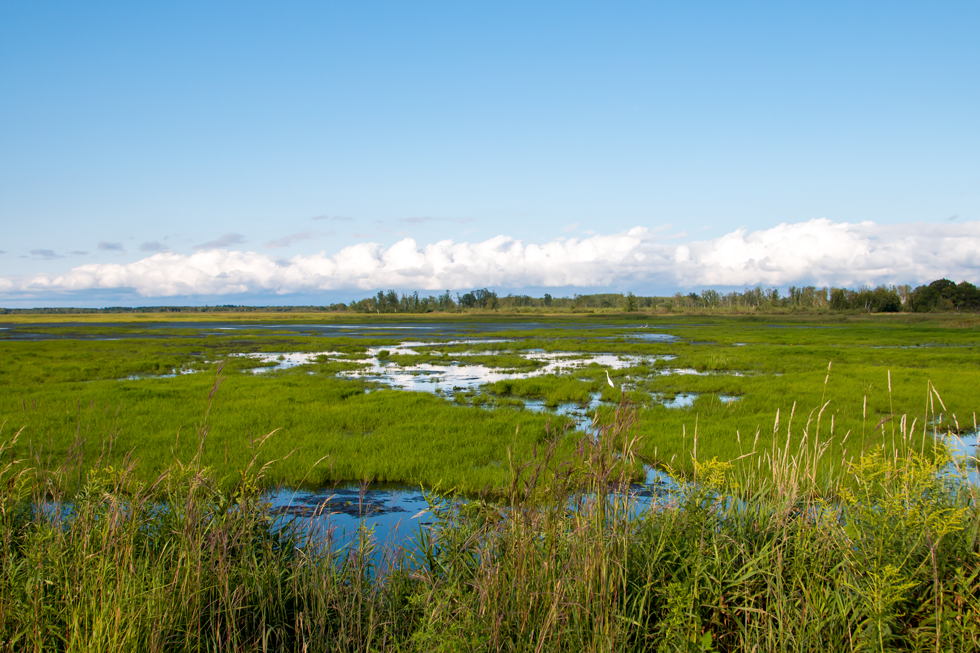
As a birder, I couldn’t miss the chance to check out Crex Meadows Wildlife Area. It’s 30,000 acres of wetlands, sedge meadows and brush prairie and one of the largest state-owned wildlife areas in Wisconsin. I was only able to see a small portion of it, but what I saw really was impressive. I’d love to visit during spring or fall migration and see the large numbers of waterfowl that pass through this amazing place. It was mostly overcast during my visit so conditions weren’t optimal for photography, especially with my long lens which needs quite a bit of bright light for best results. However, late in the day, the sun came out and I was able to get a few shots that really illustrate the beauty of the place.

The wetlands spread out for miles and parts of it  are bordered with raised gravel roads. The car serves as a nice wildlife blind. In this respect it reminded me of Horicon National Wildlife Refuge.  I only saw a very small portion and some is not accessible or open to the public.

The wetlands spread out for miles and parts of it are bordered with raised gravel roads. The car serves as a nice wildlife blind. In this respect it reminded me of Horicon National Wildlife Refuge. I only saw a very small portion and some is not accessible or open to the public.

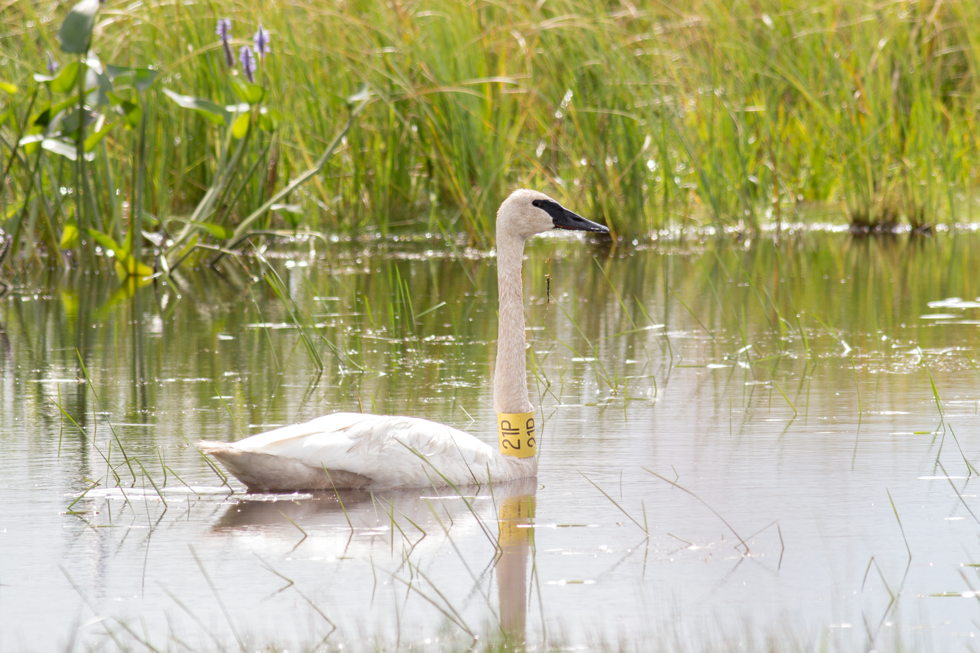
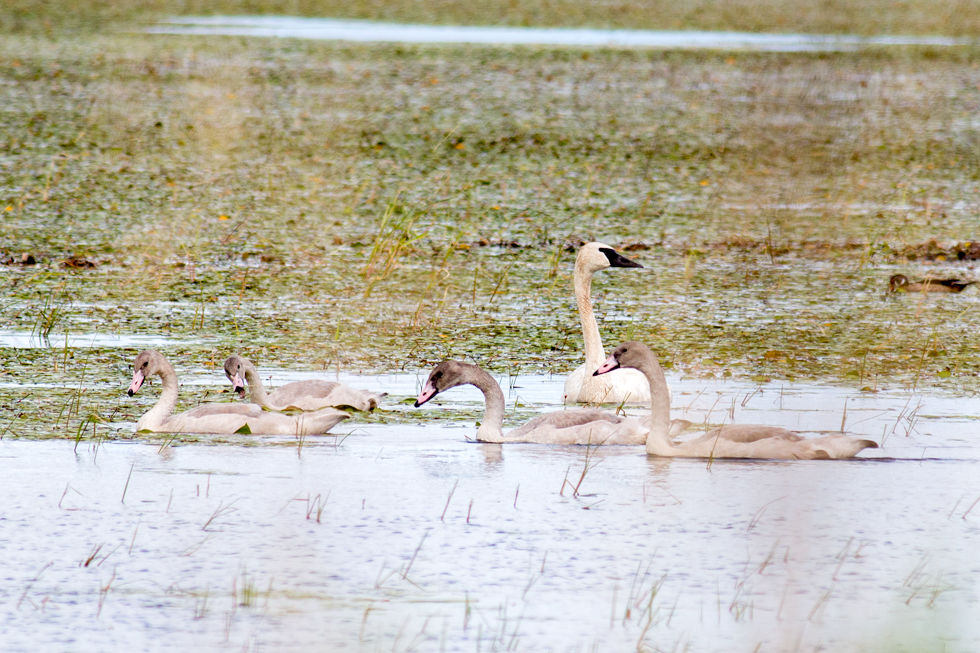
Majestic Trumpeter Swan. The largest of North American waterfowl, the Trumpeter Swan is a summer resident at Crex Meadows. Its was reduced to near extinction by the early 20th century, but it is relatively common today due to its protected status and reintroduction by wildlife agencies.

Majestic Trumpeter Swan. The largest of North American waterfowl, the Trumpeter Swan is a summer resident at Crex Meadows. Its was reduced to near extinction by the early 20th century, but it is relatively common today due to its protected status and reintroduction by wildlife agencies.

I saw two pairs of Swans with Cygnets. This pair had 4 youngsters.

I saw two pairs of Swans with Cygnets. This pair had 4 youngsters.

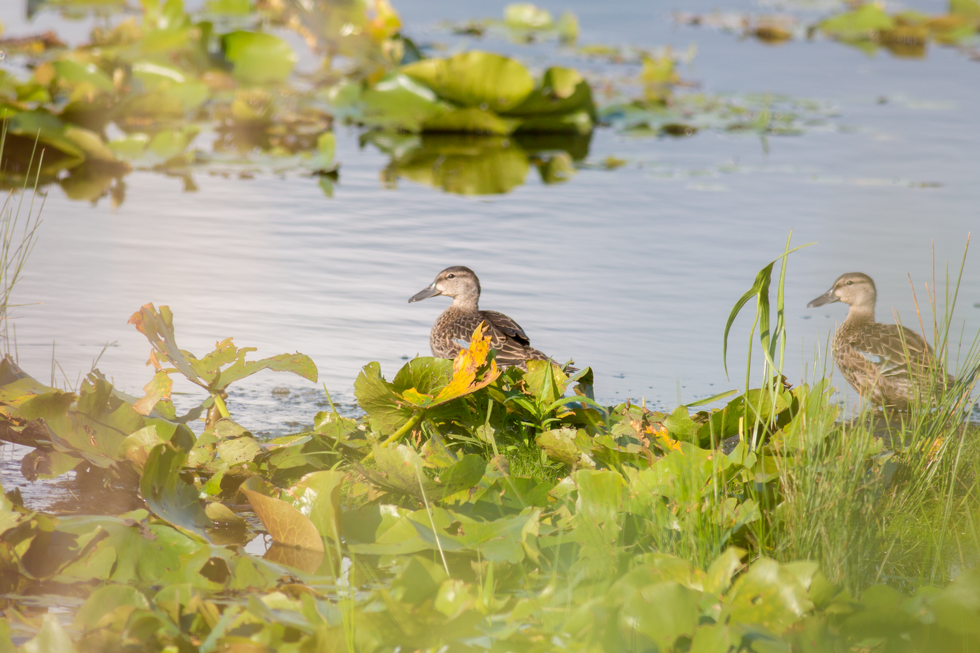
Blue-winged Teal. I think this is a pair. The males molt in the fall and during this period sport eclipse plumage, which is duller and more like the female. It makes sense since often during the molt, they become flightless.

Blue-winged Teal. I think this is a pair. The males molt in the fall and during this period sport eclipse plumage, which is duller and more like the female. It makes sense since often during the molt, they become flightless.

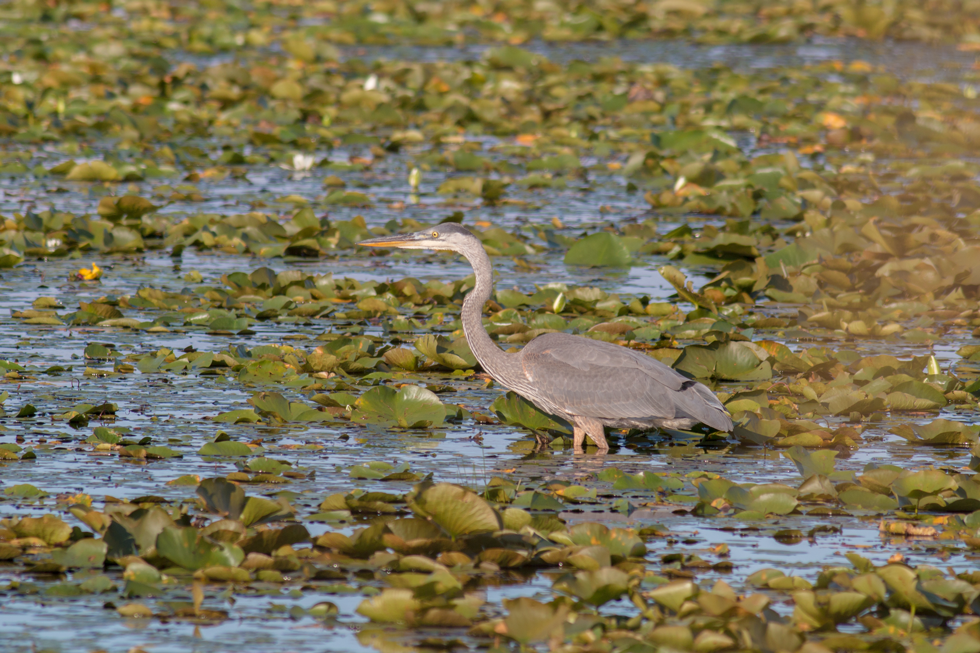
I saw LOTS of Great Blue Herons. I'd estimate 35-40.

I saw LOTS of Great Blue Herons. I’d estimate 35-40.

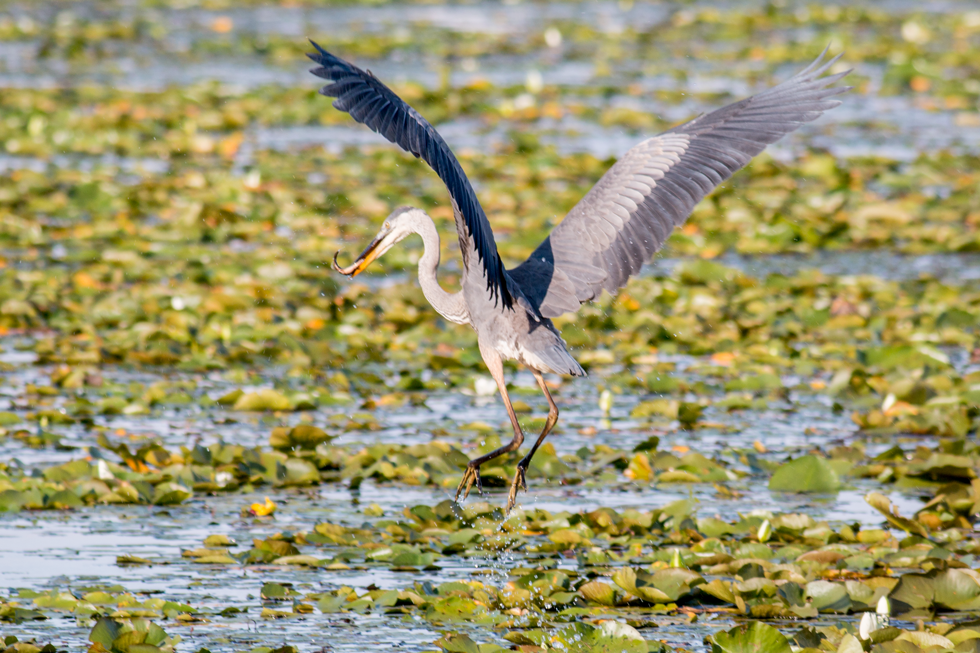
Successful fishing for this individual.

Successful fishing for this individual.

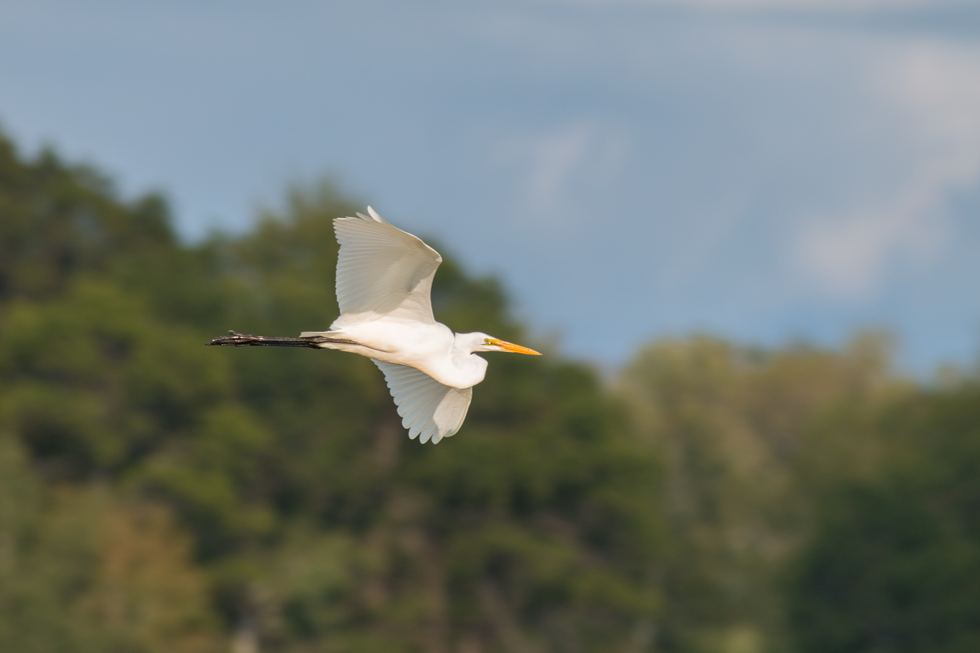
I am always amazed at the beauty of the Great Egrets and the grace with which they fly.

I am always amazed at the beauty of the Great Egrets and the grace with which they fly.

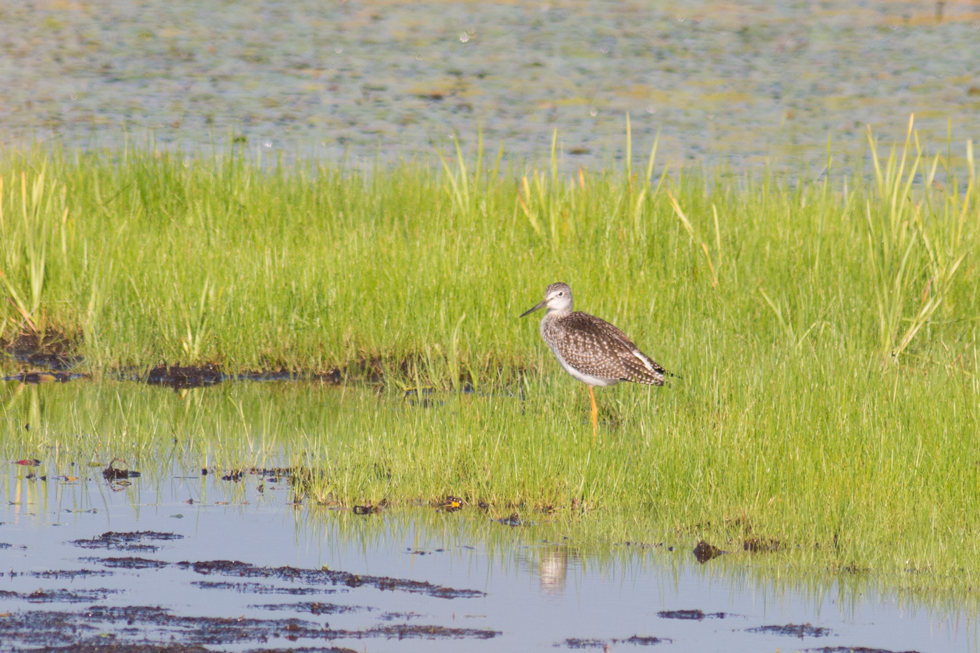
Greater Yellowlegs

Lesser Yellowlegs

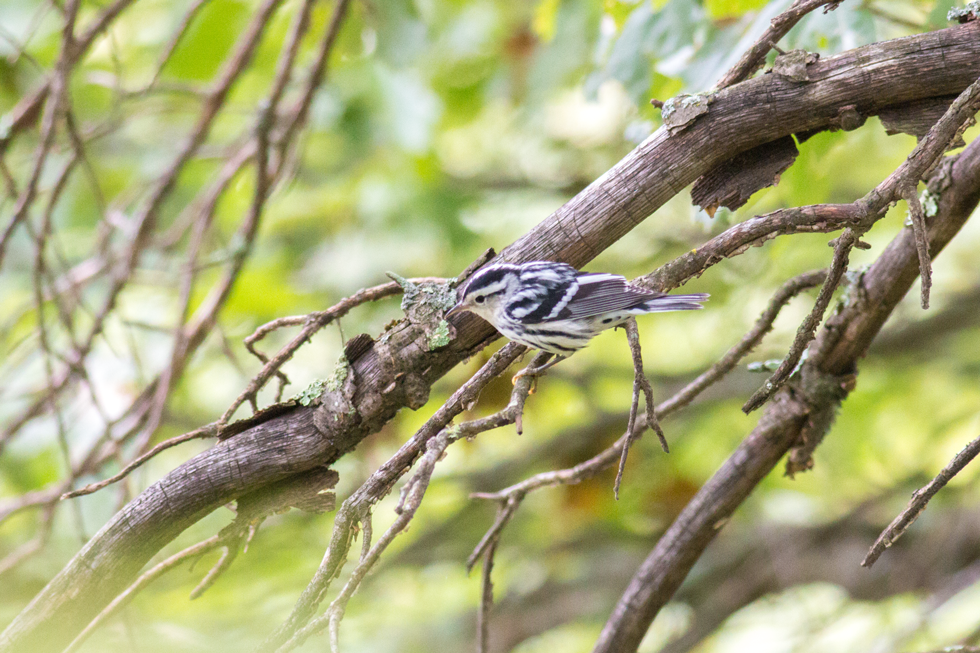
I was pretty excited to see a few warblers that I'd seen down south during migration. They nest up north so nice to see them on their breeding ground. This is a Black and White warbler.

I was pretty excited to see a few warblers that I’d seen down south during migration this past spring. They nest up north so nice to see them on their breeding ground. This is a Black and White warbler.

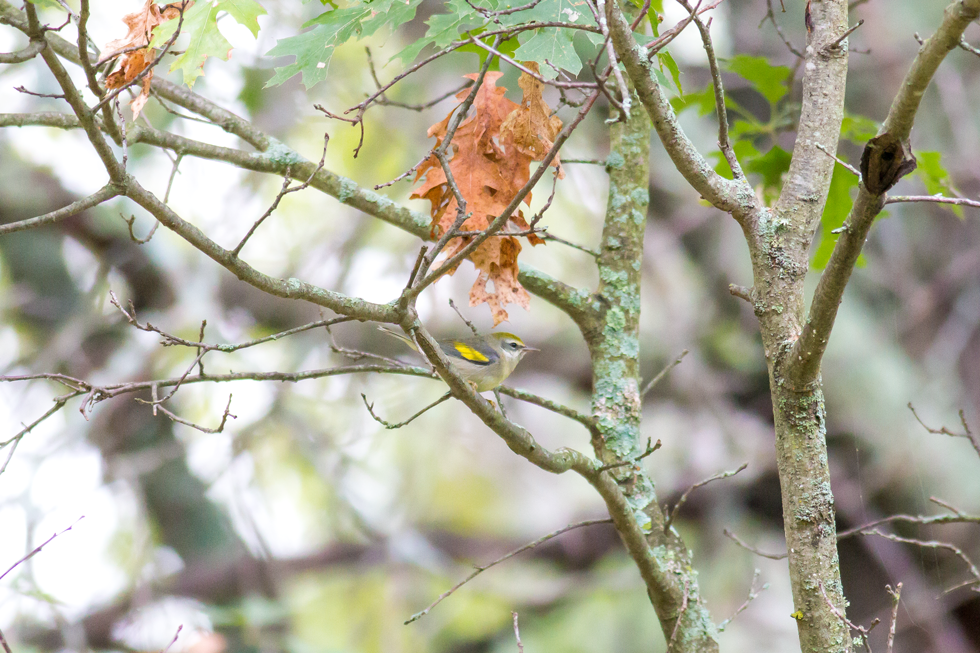
I saw a whole family of Golden-winged warblers. This is a female.

I saw a whole family of Golden-winged warblers. This is a female.

Yellow-throated Vireo.

Yellow-throated Vireo.

That was fun! Can’t wait to visit again.

Summer Photo Album

And now a random assortment of pictures from the months of June and July. I’ve been taking a lot of photos but not taking all that much time to sort through and edit them. To start, here are a few from the back yard.

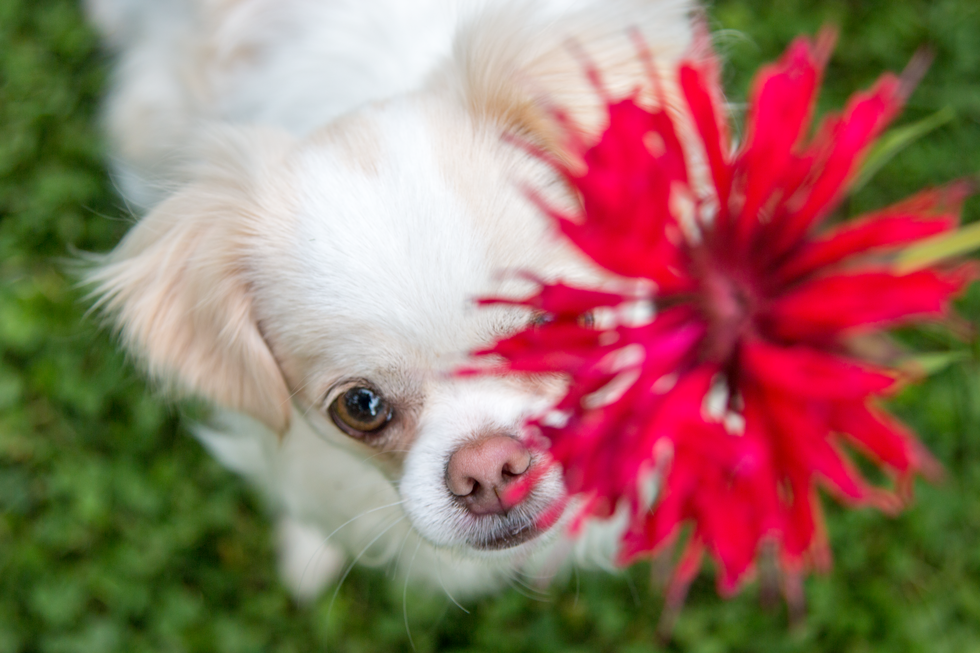
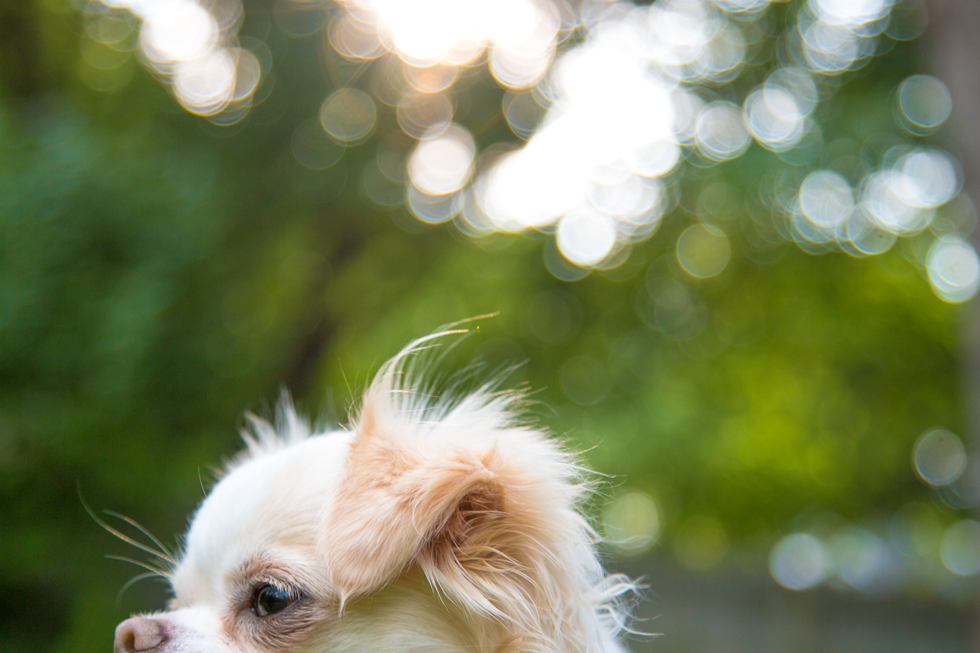
Maggie LOVES the back yard—smelling flowers, chasing bugs, eating rabbit poo and chasing Marlo around and around. She's pretty cute, isn't she? Except the eating poo part.

Maggie LOVES the back yard—smelling flowers, chasing bugs, eating rabbit poo and chasing Marlo around and around. She’s pretty cute, isn’t she? Except the eating poo part.

maggie-thinking

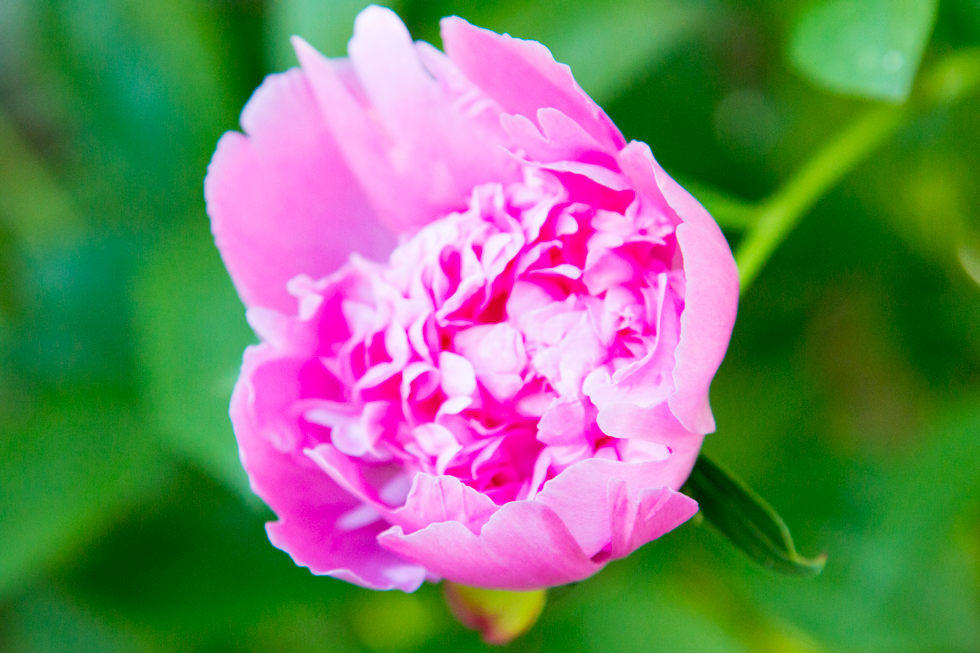
The peonies are long gone now but they were pretty spectacular this year.

The peonies are long gone now but they were pretty spectacular this year.

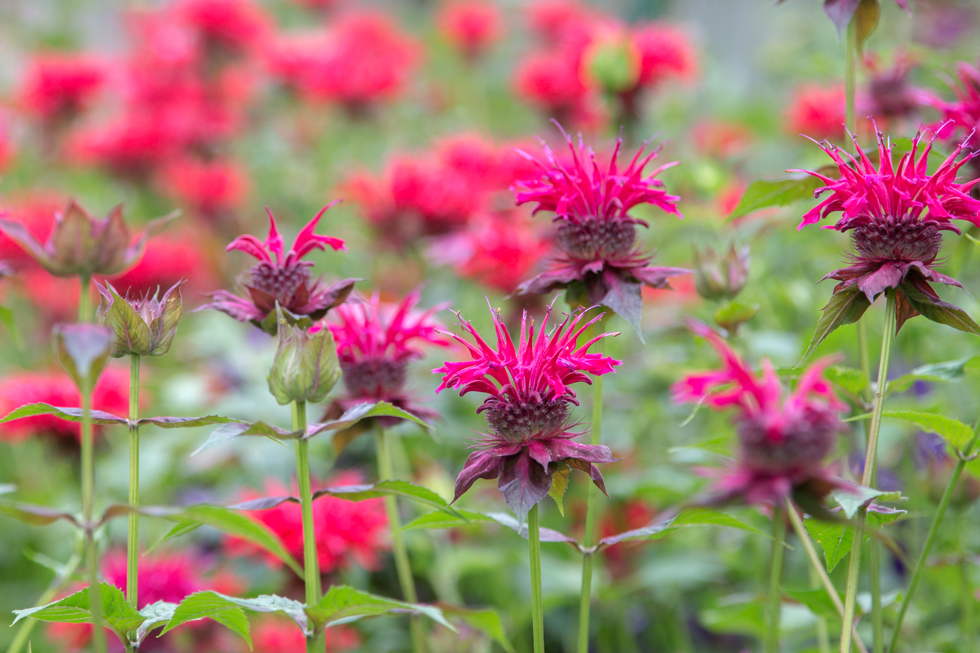
The bee balm is very nice this year too. I saw a hummingbird enjoying it this evening.

The bee balm is very nice this year too. I saw a hummingbird enjoying it this evening.

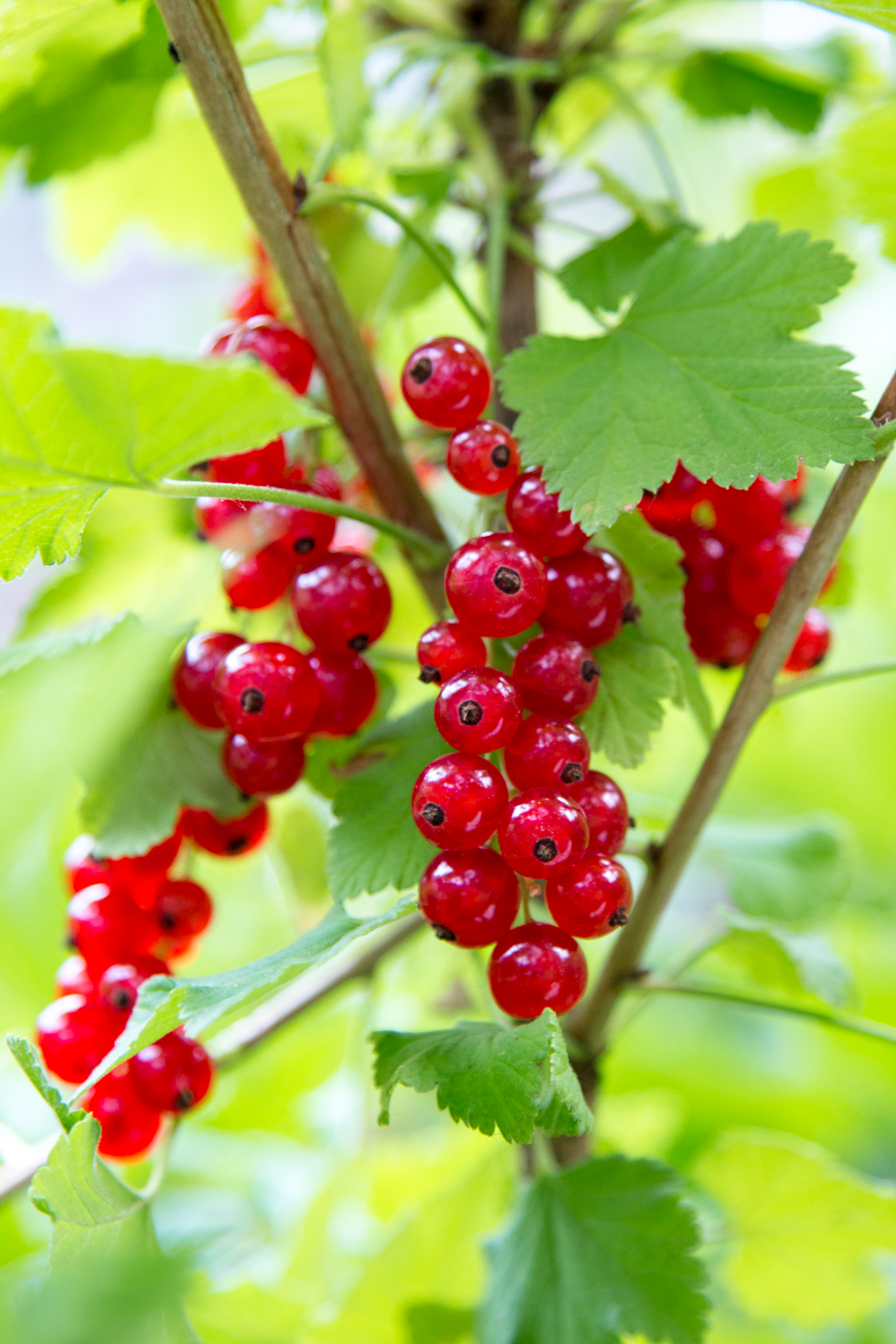
Last summer we planted three current bushes. The berries look like little jewels on this red one.

Last summer we planted three currant bushes. The berries look like little shiny jewels.

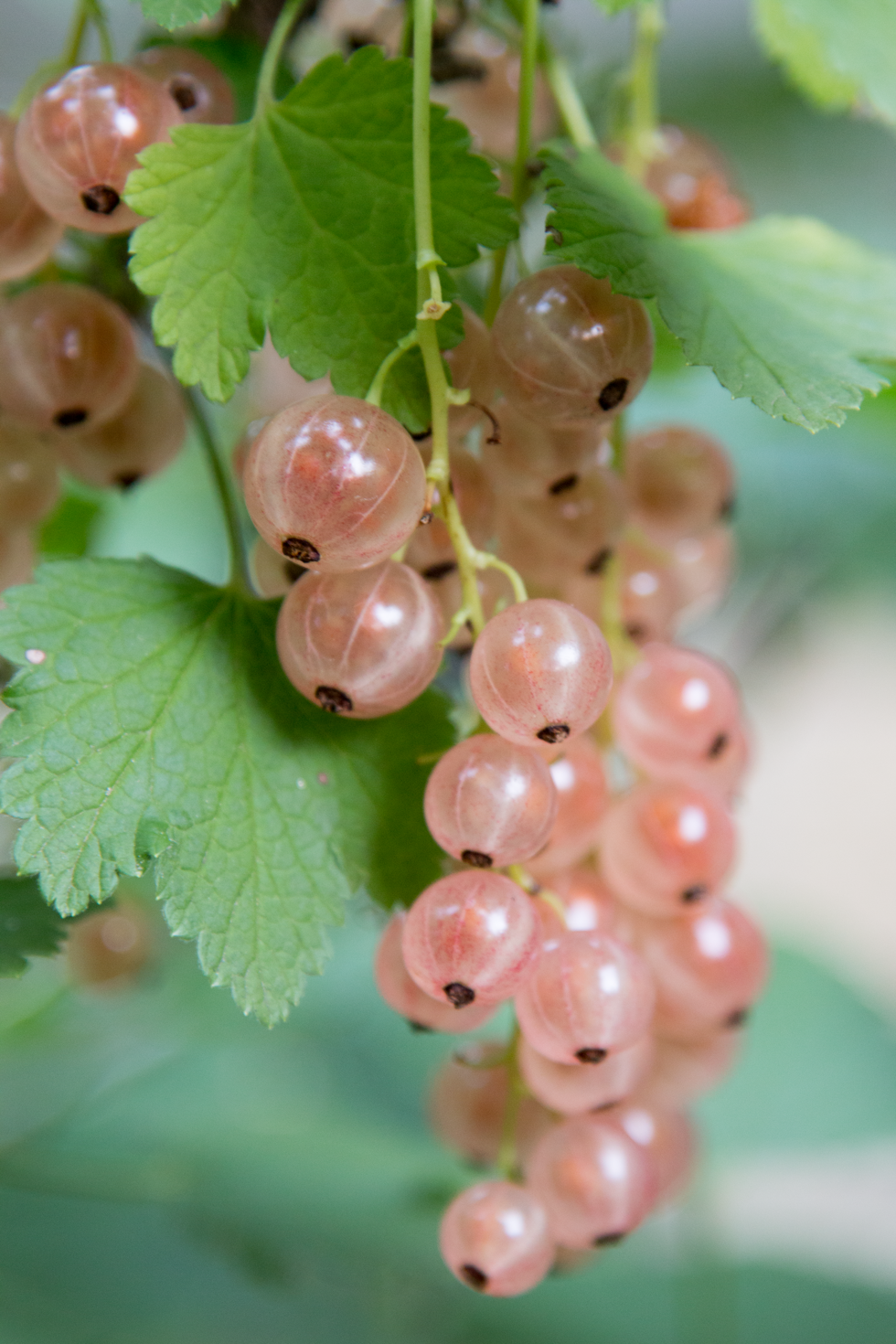
We also planted a pink champagne type and a black currant. I think the pink ones taste the best. I have plans to make jelly but we'll see if that actually happens.

We also planted a pink champagne and black currant bushes. I think the pink ones taste the best. I have plans to make jelly but we’ll see if that actually happens.

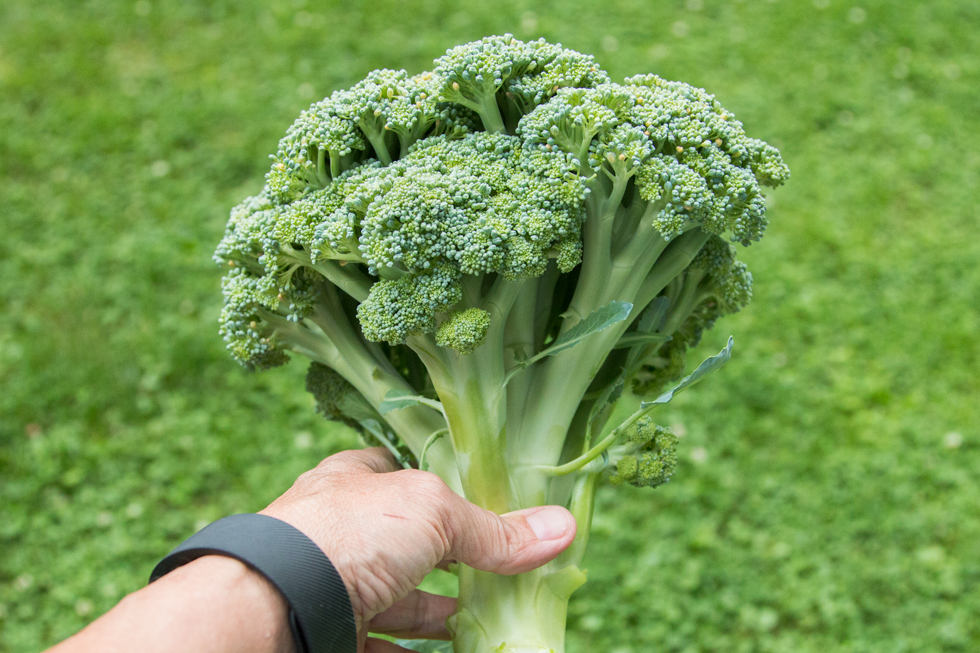
This is the very first year that the broccoli formed nice big heads. I think the cool weather did the trick and prevented them from bolting before they were mature.

This is the very first year that the broccoli formed nice big heads. I think the cool weather did the trick and prevented them from bolting before they were mature.

Mr. and Mrs. Wren set up housekeeping in the new bird house I mounted to the fence in the yard. Something very sad happened when one day. The 4 babies, who had been creating quite the racket begging for food, fell silent. We thought they had fledged but Annette found two of them dead on the ground under the bird house. I found the other two dead in the nest. We have no idea what happened but suspect something happened to the female and the babies perished. So, so sad. I hope they will try again next year and be able to successfully raise a family.

Mr. and Mrs. Wren set up housekeeping in the new bird house I mounted to the fence in the yard this spring. However, something very sad happened. The four babies, who had been creating quite the racket begging for food, fell silent. We thought they had fledged but Annette found two of them dead on the ground under the bird house. I found the other two dead in the nest. We have no idea what happened but suspect maybe the mom fell victim to a predator (there are a couple roaming cats around here) and the babies perished. So, so sad. I hope they will try again next year and be able to successfully raise a family.

And now a few from some random hikes and birding outings:

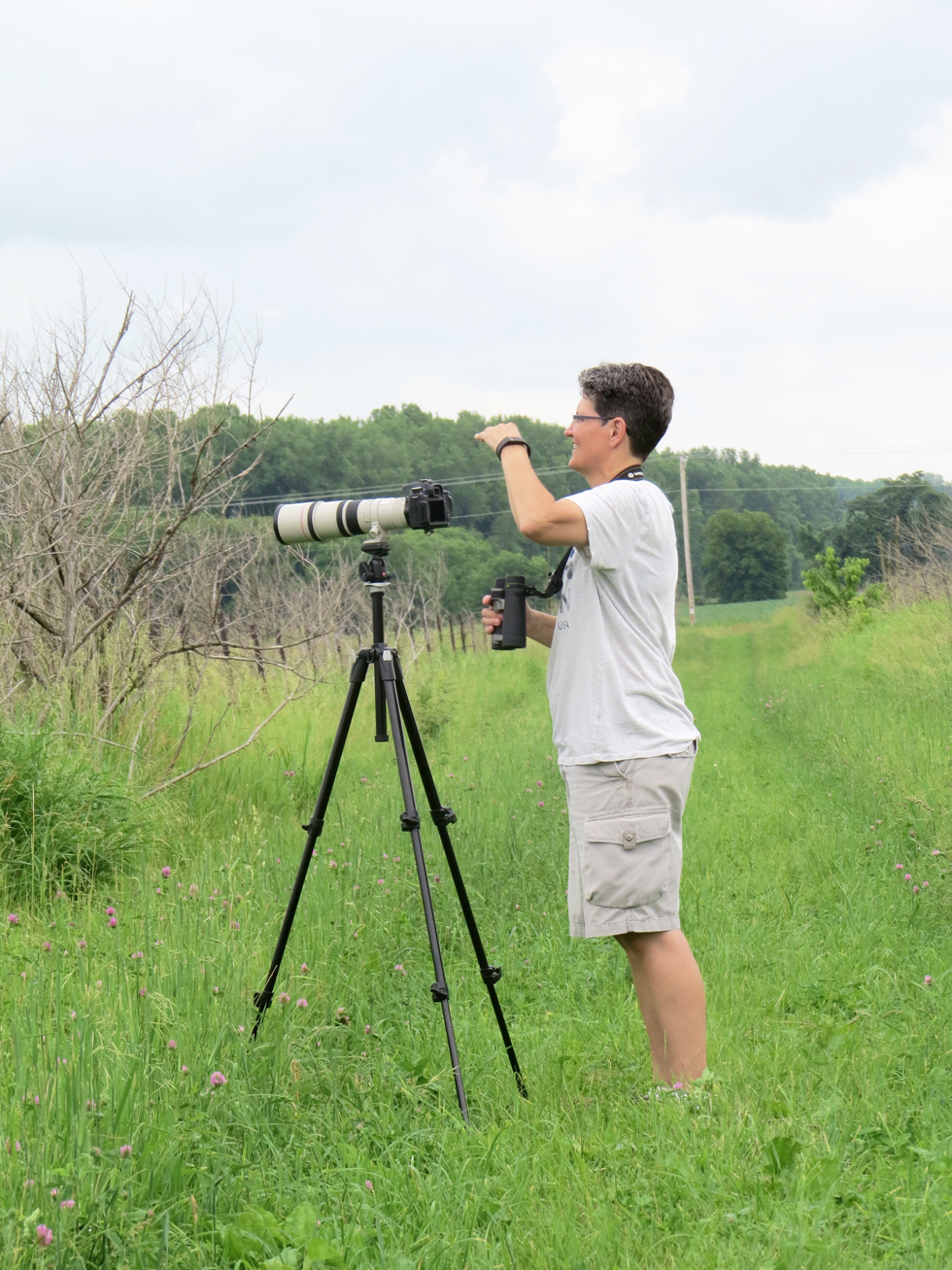
This particular day, we were looking for Bobolinks.

This particular day, we were looking for Bobolinks.

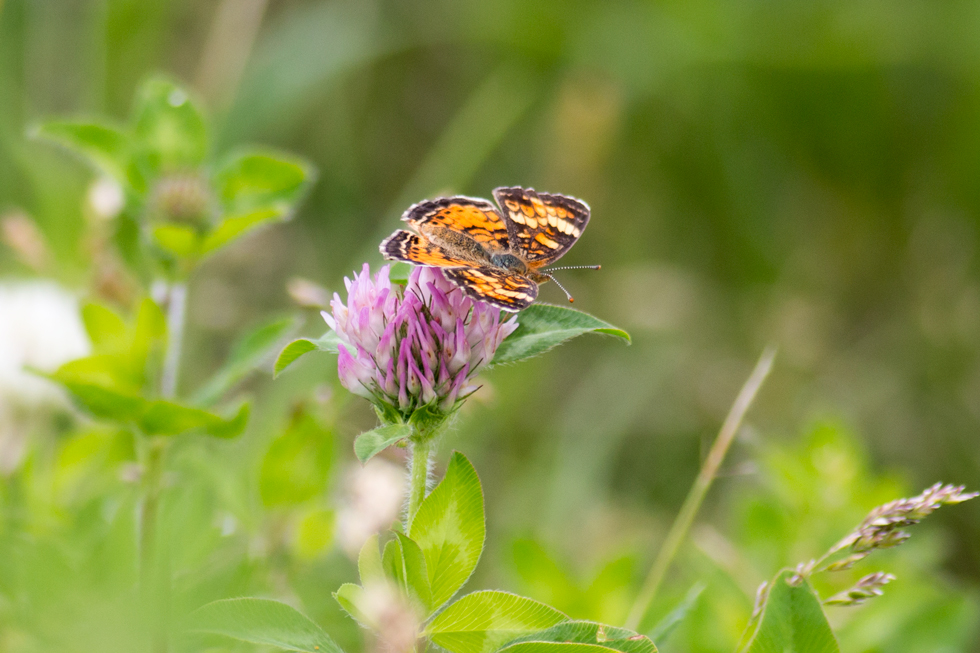
Pearly Crescent Butterfly

Pearly Crescent Butterfly

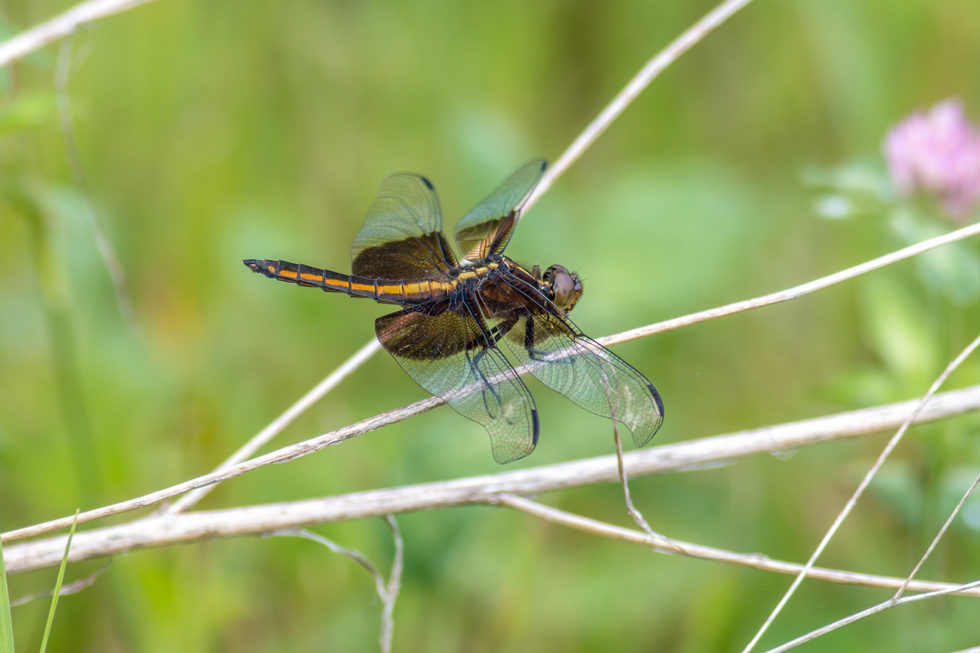
Widow Skimmer Dragonfly

Widow Skimmer Dragonfly.

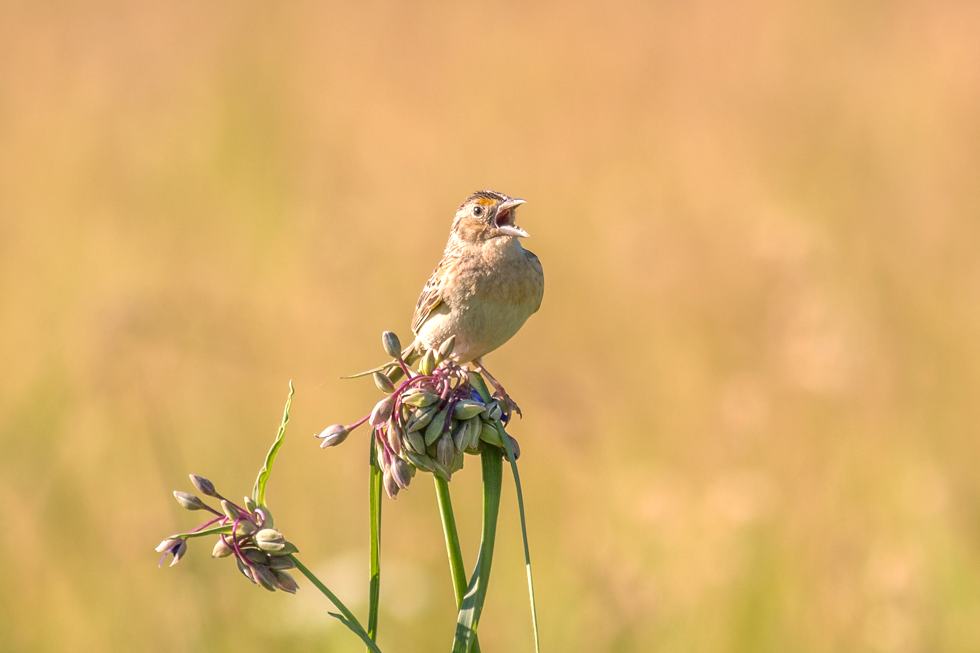
Grasshopper Sparrow

Grasshopper Sparrow

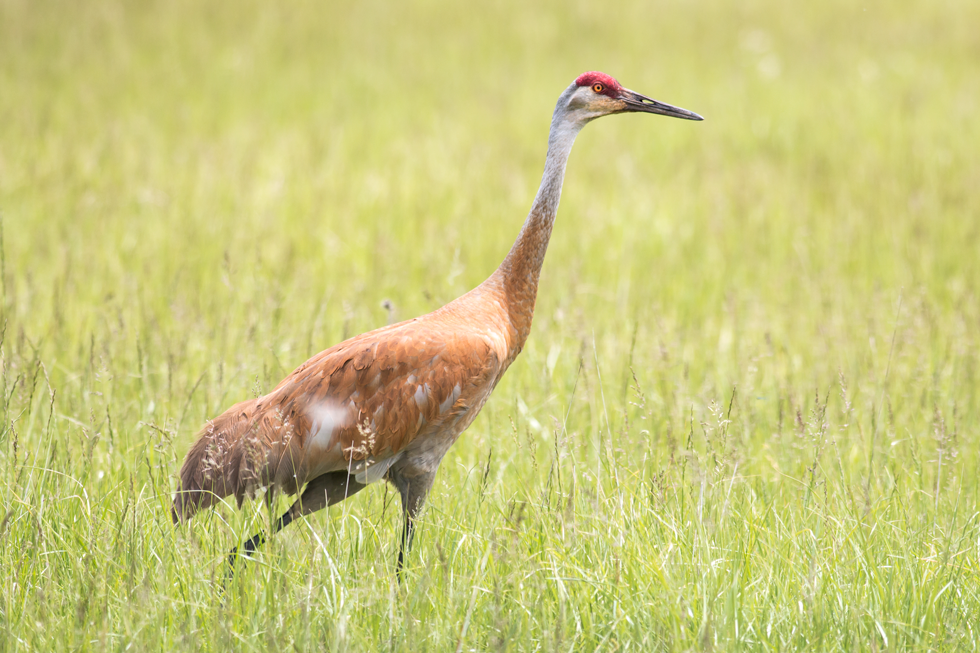
Sandhill Crane

Sandhill Crane

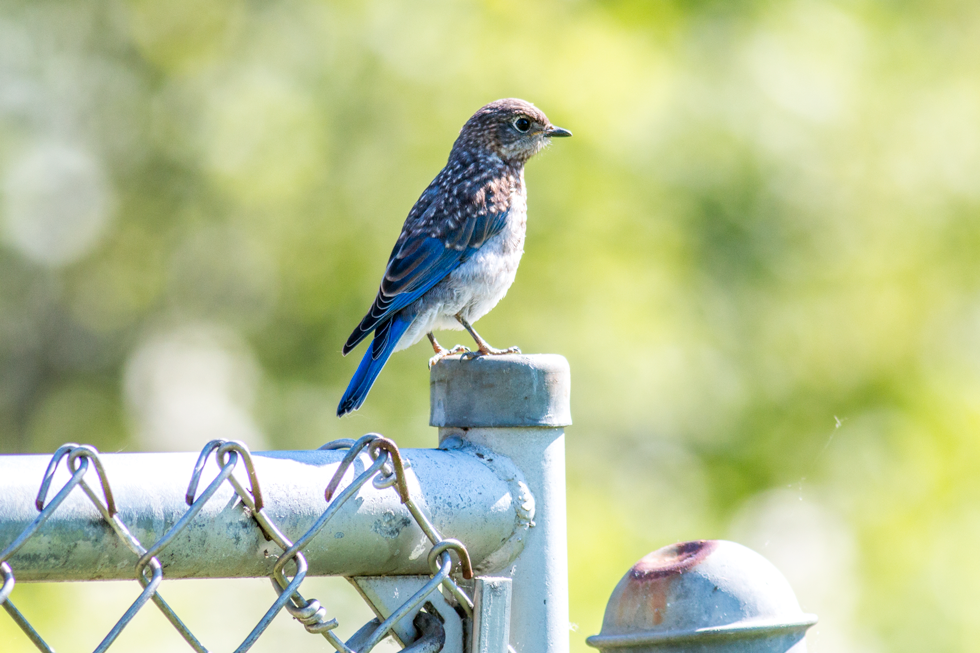
Juvenile Eastern Bluebird

Juvenile Eastern Bluebird

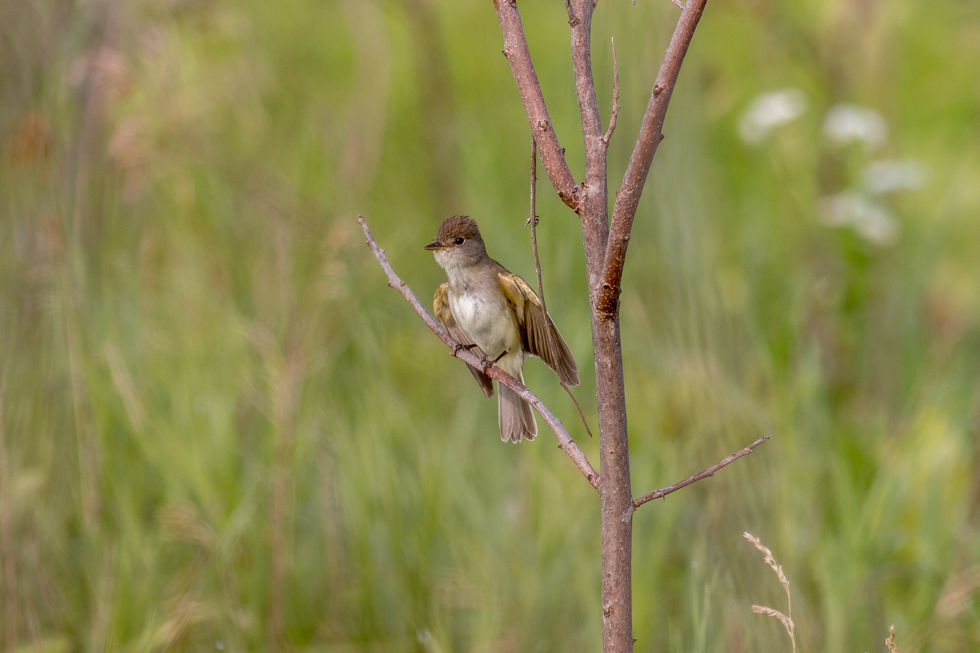
Alder Flycatcher

Alder Flycatcher

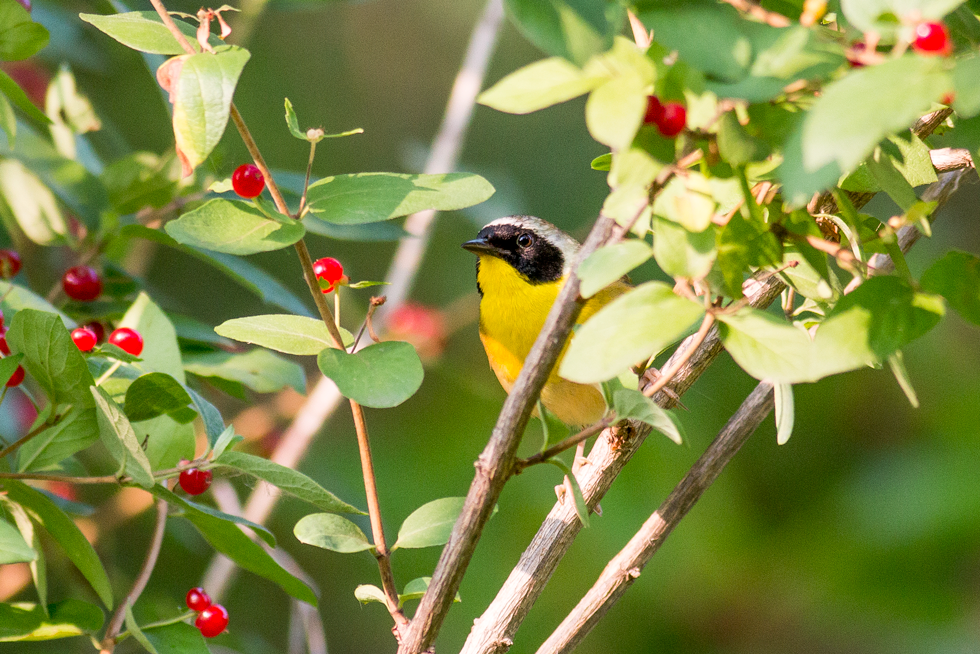
Common Yellowthroat Warbler

Common Yellowthroat Warbler

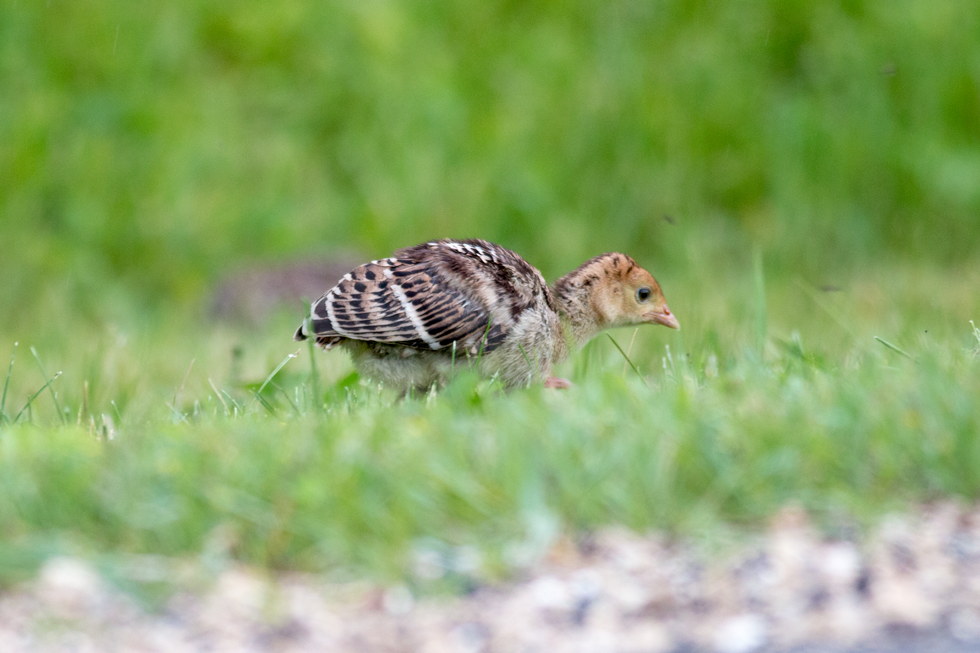
Baby Turkey

Baby Turkey

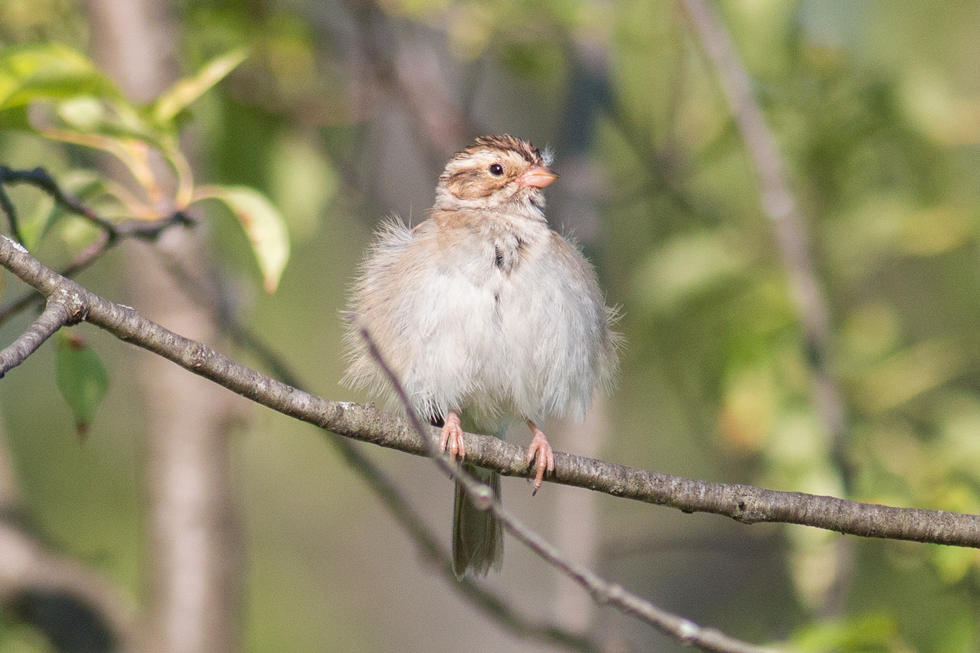
Clay-colored Sparrow

Clay-colored Sparrow

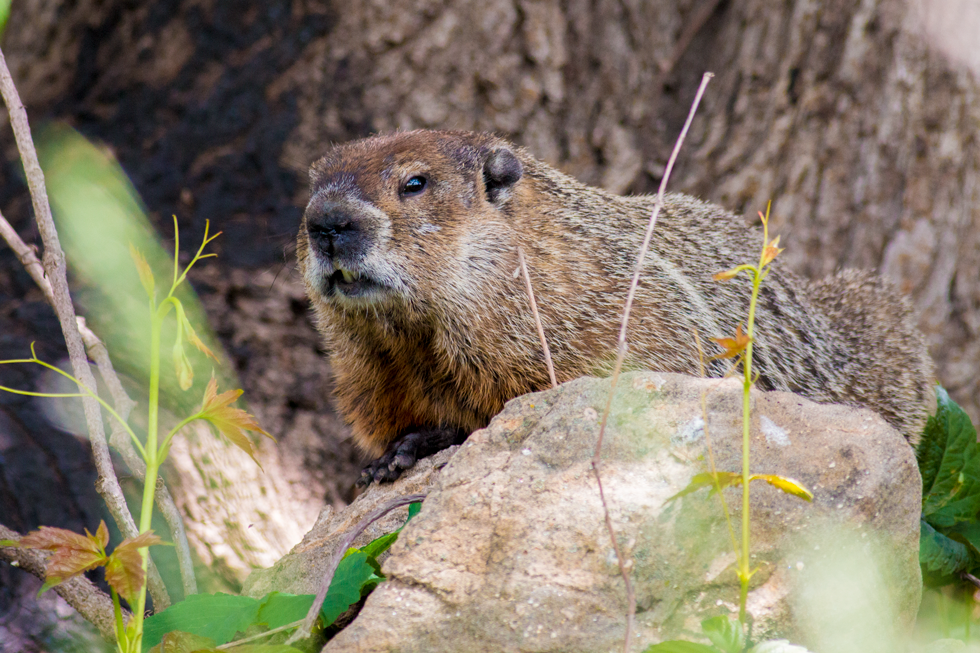
How much wood could a woodchuck chuck?

How much wood could a woodchuck chuck?

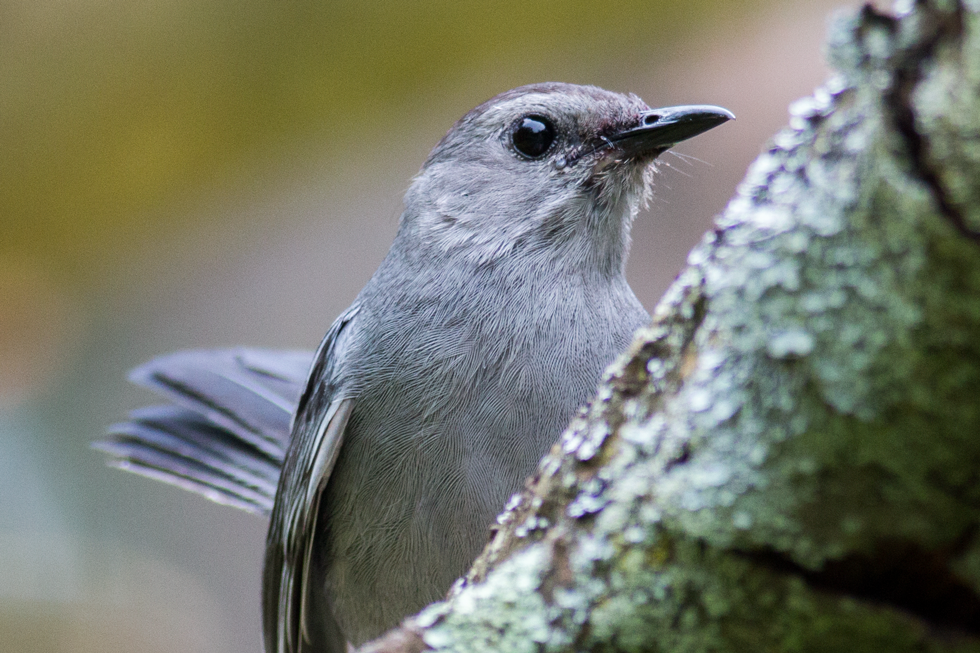
Catbird

Catbird

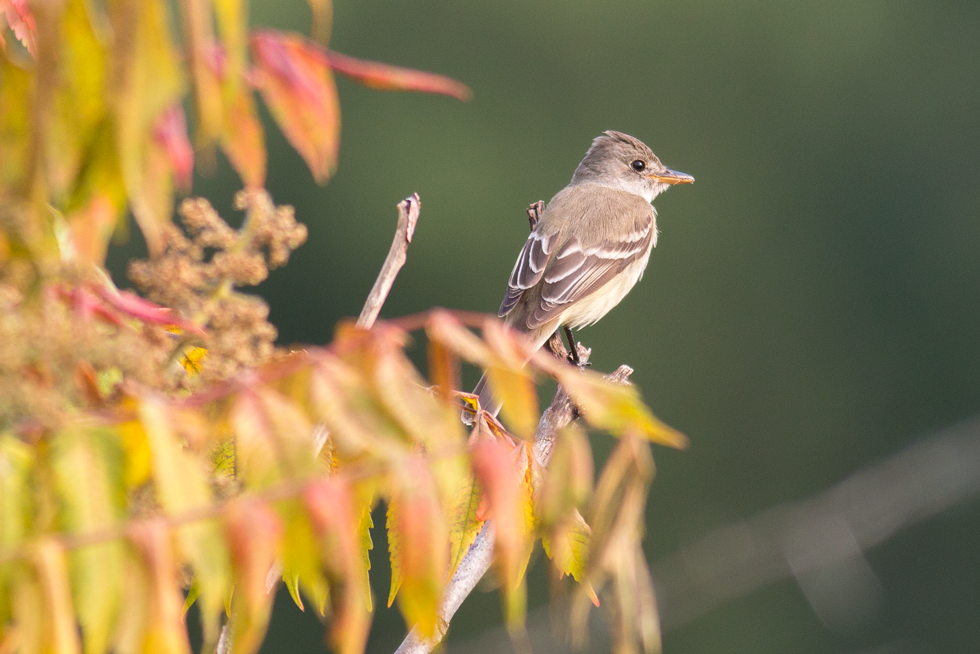
Willow Flycatcher

Willow Flycatcher – Looks like fall, doesn’t it? Don’t know why the sumac are turning color already.

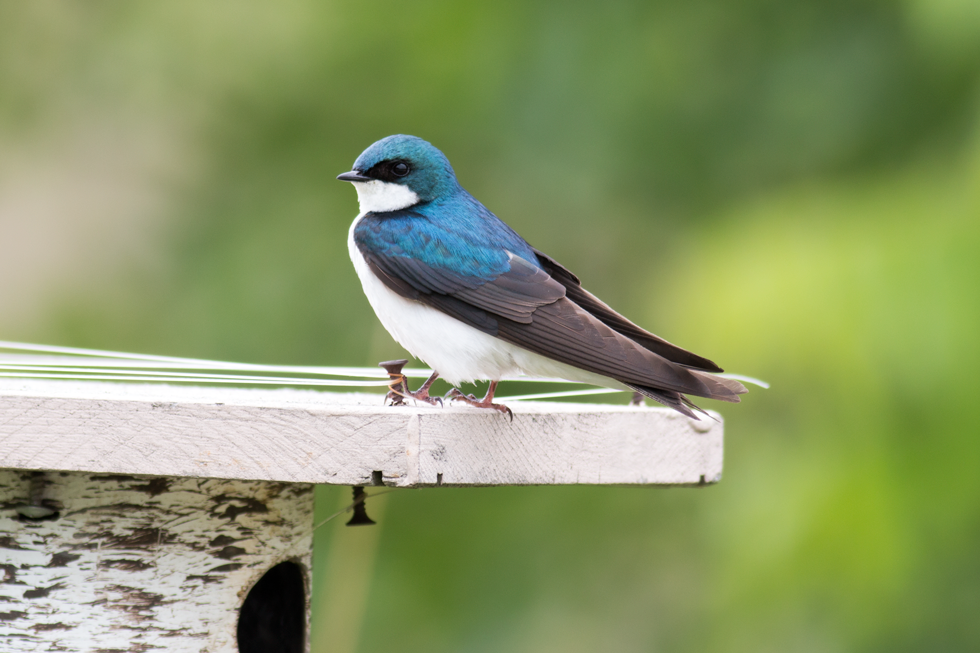
Tree Swallow

Tree Swallow

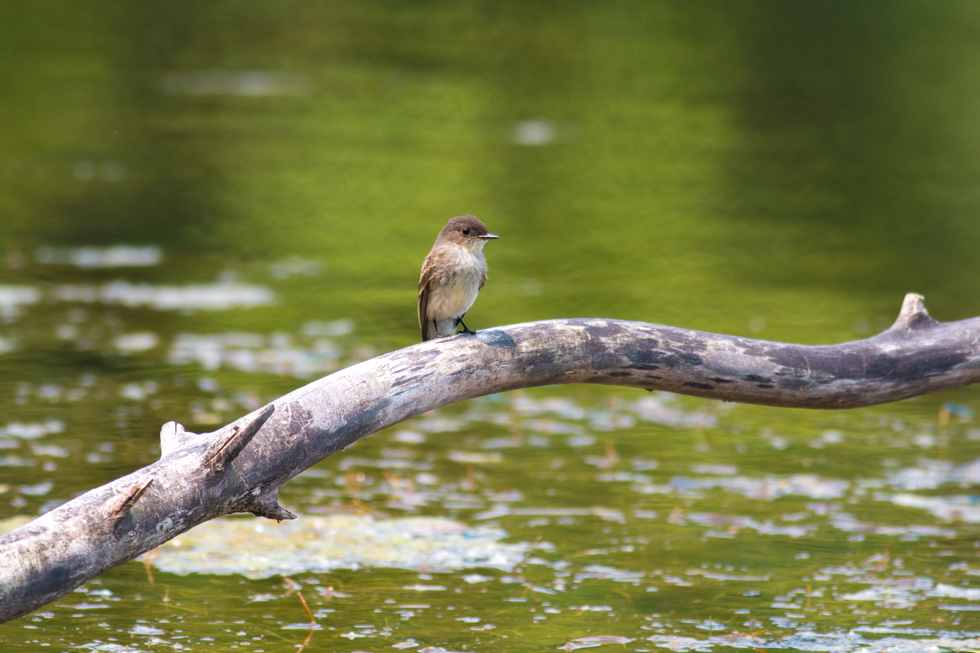
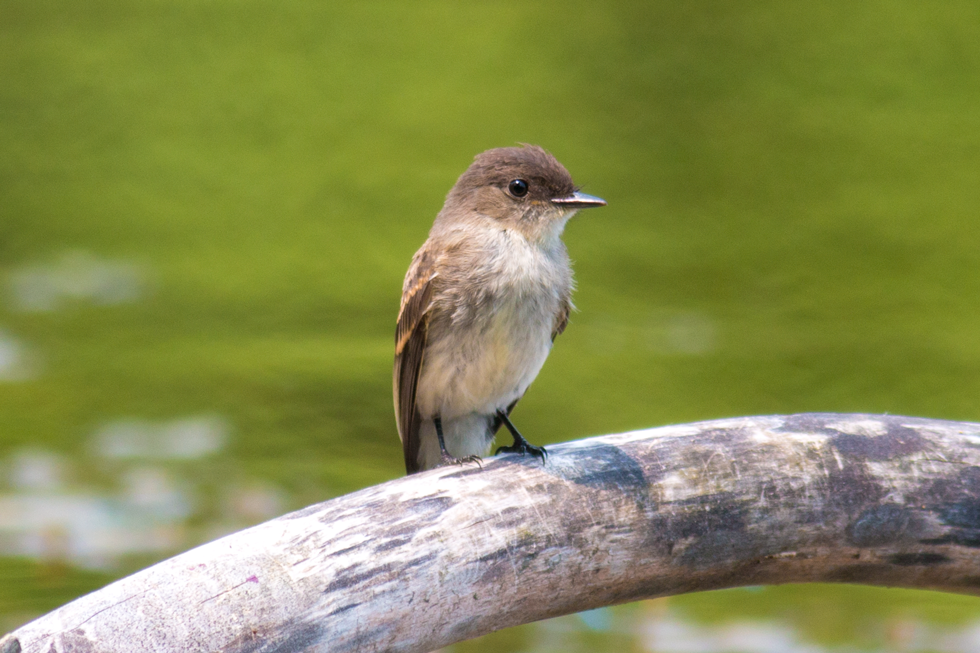
Juvenile Eastern Phoebe

Juvenile Eastern Phoebe

A closer look.

A closer look.


And I’ll end with this quote from Albert Einstein: “Look deep into nature, and then you will understand everything better.”


Another One to add to My Growing Bird List

I belong to a Facebook group called Wisconsin Birding. It’s members are from all over the state and people post pictures and sightings of all kinds of birds—from those found in your backyard at the feeder to rare or unusual birds. On Tuesday someone saw a Yellow-breasted Chat, a large warbler and uncommon for Wisconsin, at the UW Arboretum. They posted it on the Birding Facebook page and so I decided that I’d attempt to locate him. Yesterday morning I left the house around 5:45 am and drove to the Arboretum with my binoculars and camera. After about 25 mins of searching, I found him! So I have another bird to add to my life list and some pretty nice pictures and video to boot. Lucky me.
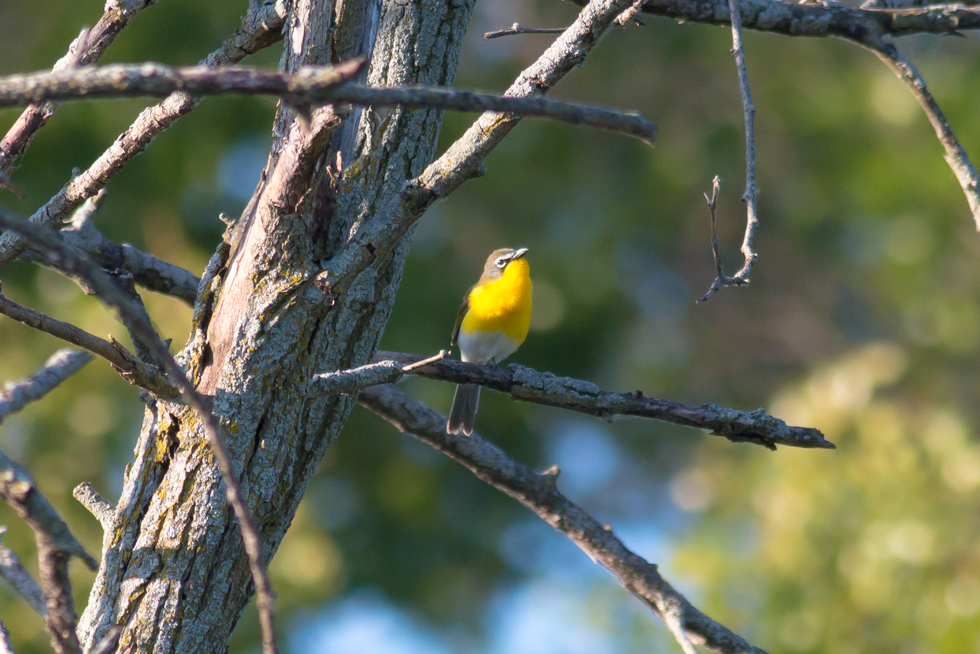
Yellow-breasted Chat at UW Arboretum

Yellow-breasted Chat at UW Arboretum

Here is a video (rather long) of the Chat performing his song. There is an annoying Blue Jay making a lot of noise in the background. However, if you persist to the end, you’ll see that he is startled by a visitor.

Yellow-breasted Chat at the Arboretum June 3, 2015 from Kris Perlberg on Vimeo.