
Big Bend is BIG
I never thought I’d want to visit Texas. I guess one forms preconceived ideas about a place and it didn’t occur to me that it could be more than oil fields and ranches. But, a few years ago, when I started developing a curiosity about our National Parks, I realized that there are some amazing natural places that I really knew very little about. Big Bend caught my eye, mostly because it is one of the largest, most remote and least-visited of our national parks in the contiguous U.S. I also learned that along with the 1200 species of plants, 56 species of reptiles, 75 species of mammals, there were also more than 450 species of birds, that either make the park their home or pass through during migration, and I couldn’t exactly ignore that fact! So, the last week in April, we flew to Midland TX, by way of Dallas, rented a car, and drove over 4 hours to the park.
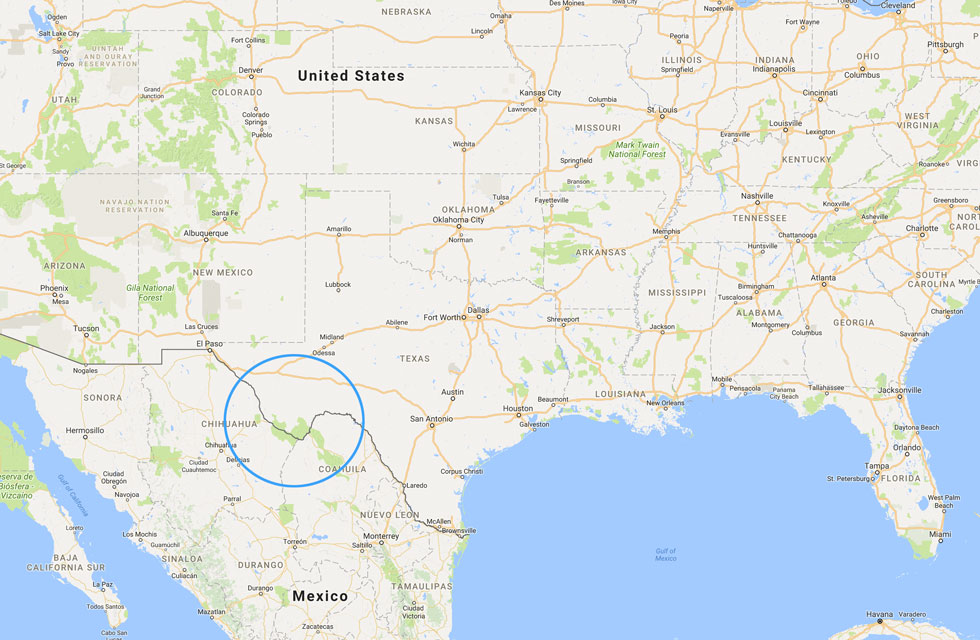
Where in Texas is Big Bend National Park? I didn’t know until I looked.
Midland was everything I had imagined Texas to be; flat, dry and quite frankly, unappealing. Miles of oil rigs—working and abandoned—dotted the terrain. Rusting hunks of metal in the form of barrels, trucks, and pieces of who-knows-what, were strewn amongst the mesquite and sand. I don’t know what southwest Texas may have looked like before the prospectors and oil companies moved in, but I venture that its natural state was more appealing than the way we found it in 2017.
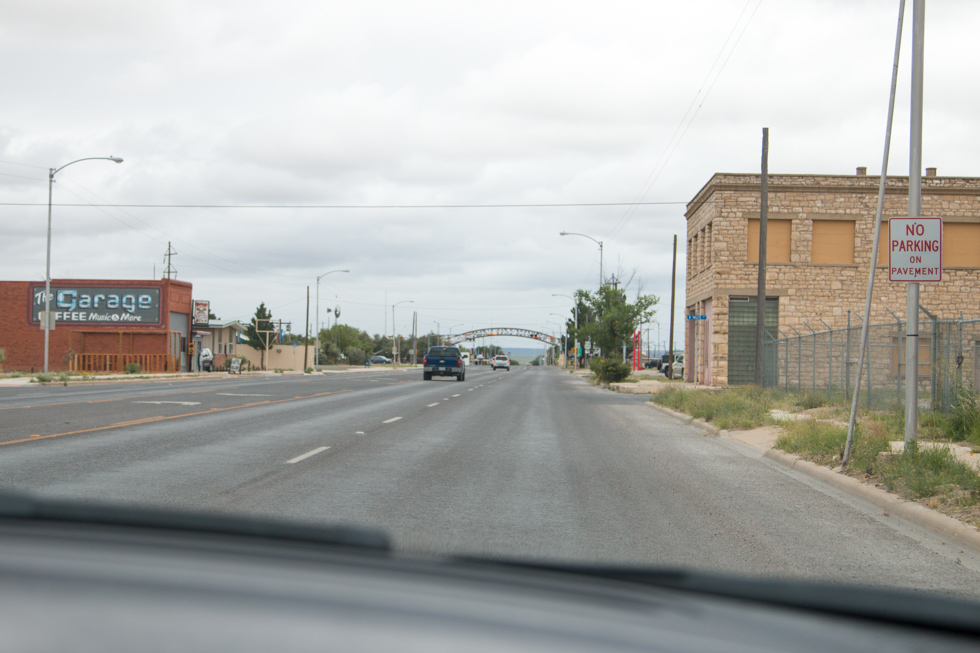
Still in the flatlands, Fort Stockton, Texas
As we headed farther south, the very flat terrain started to rise, and foothills appeared on the horizon. That was exciting because we knew we were getting closer to Big Bend and it had been a very long day of travel.
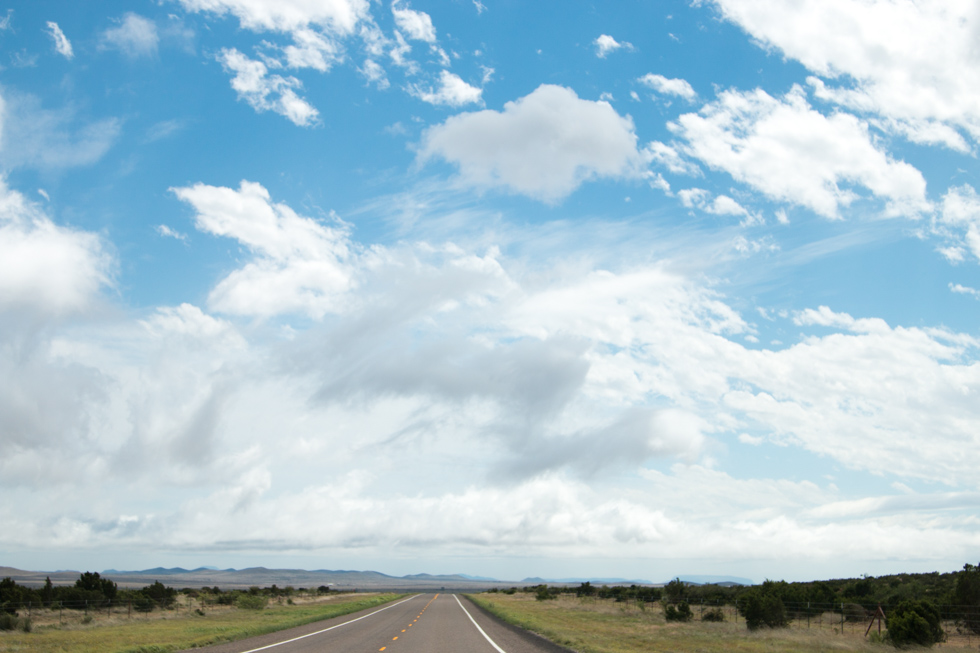
The grey skies started clearing and we could see hills on the southern horizon.
And then, there it was, the park entrance with the familiar Park Service sign. We perked up a little and stopped for a look around but, realizing we still had well over an hour before we made it to our home base for the week, we hopped back in the car and moved on.
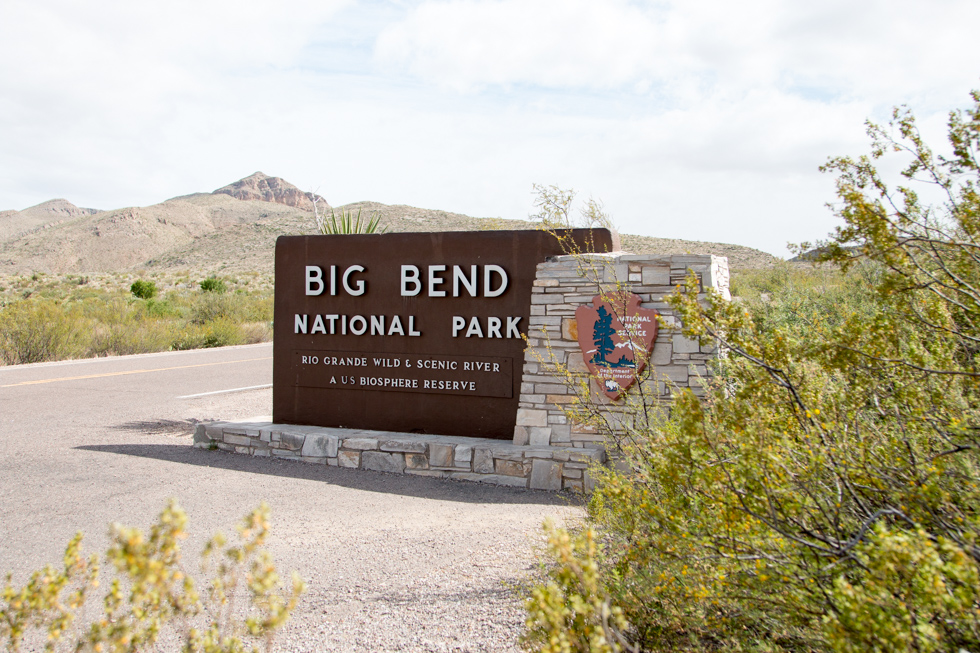
Welcome to Big Bend!
As we continued, views of the Chisos Mountain range rising out of the Chihauhuan Desert appeared, and they were spectacular.
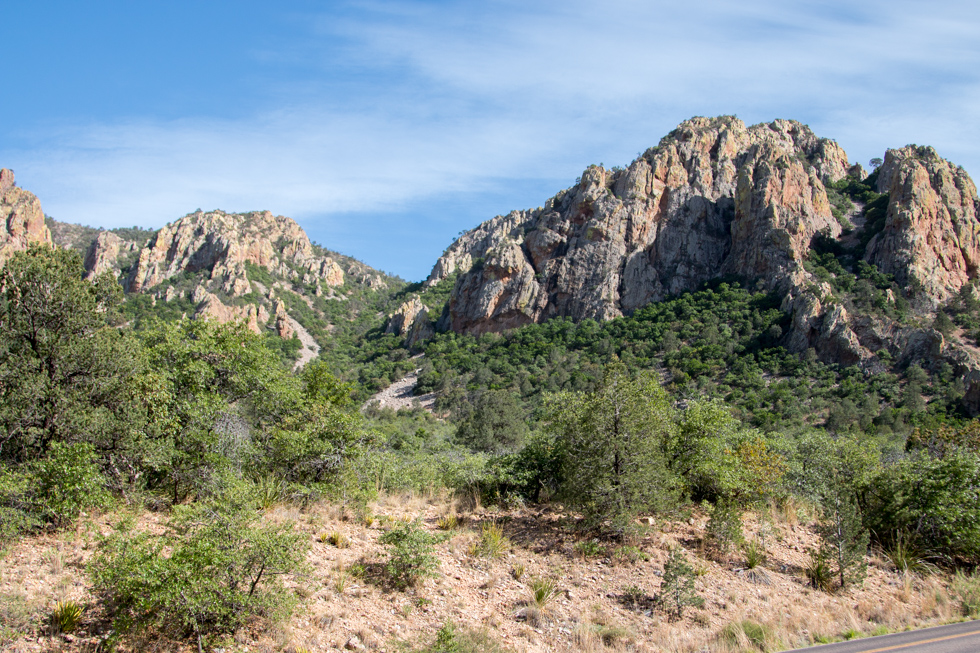
Chisos Mountains
We were in awe as we made our way up to the Chisos Mountain Lodge, which would be our base camp for the next 6 days. There are a number of motel-type buildings at the lodge basin, and also a few stone cottages that were built in the 40’s. The hotel rooms are serviceable, if slightly shabby. The stone cottages are hard to get and require reservation a year in advance. Maybe next time…
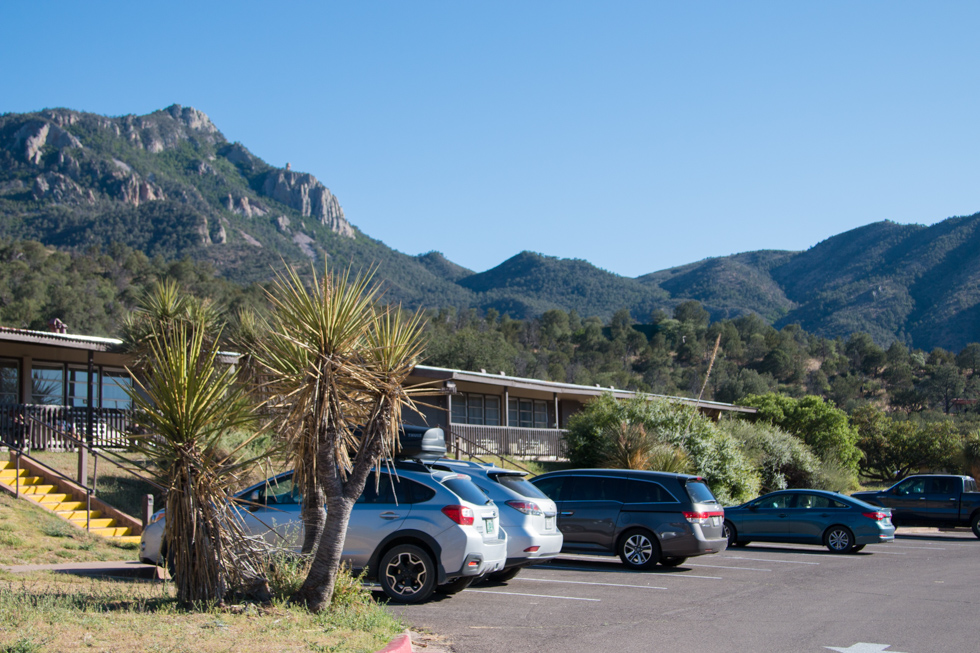
Chisos Mountain Lodge. NOT fancy but who cares?
I picked up some new birds right away in the parking lot and vicinity of our room. That made me happy!
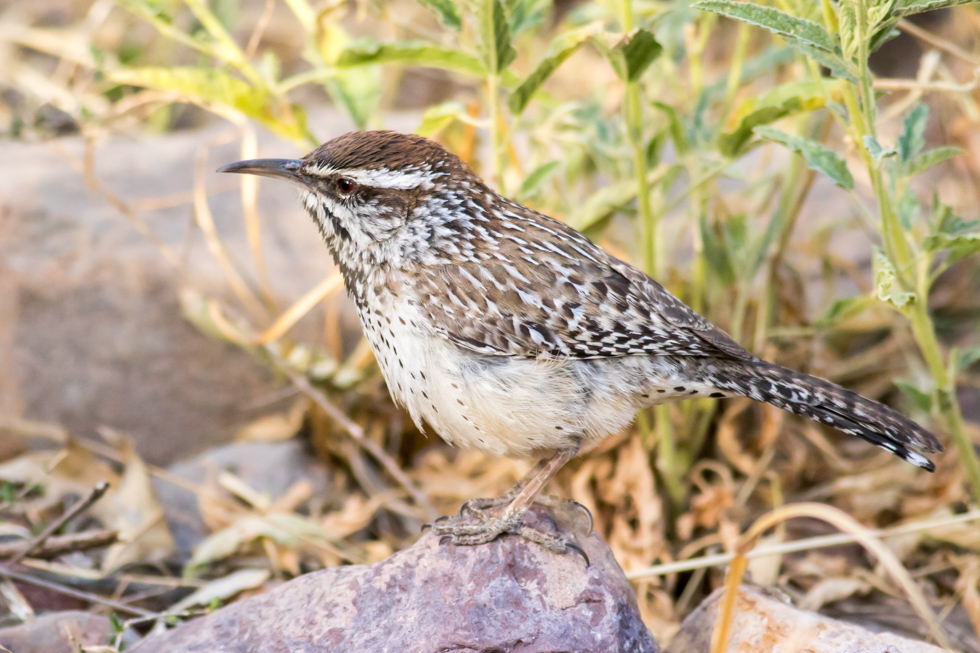
A Cactus Wren was making a ruckus right behind our room.
The next day the exploring began in earnest. During our stay in the park we visited, the Rio Grande river valley at both the east and the west ends of the park, Santa Elena Canyon, and the Chihuahuan Desert. We crossed the border into Boquillos, Mexico and had lunch and a brief tour of the small town. We hiked up into the Chisos Mountains (not too far) to experience the cooler weather and see the terrain change yet again into Mexican Pine, Oak and Juniper.
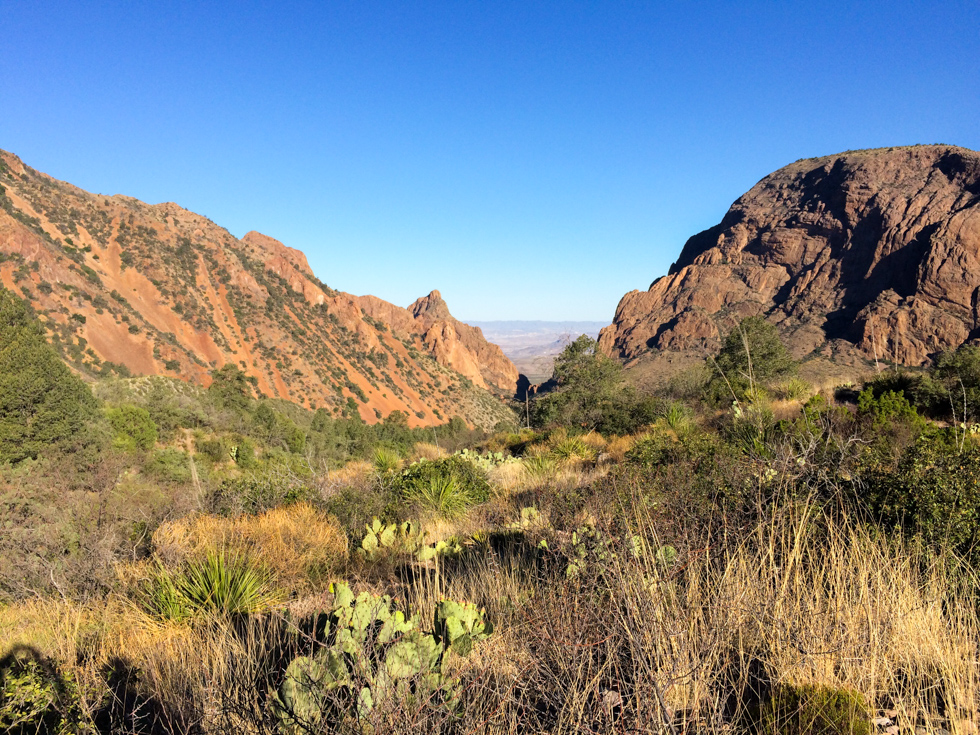
The Window, where spectacular sunsets occur.
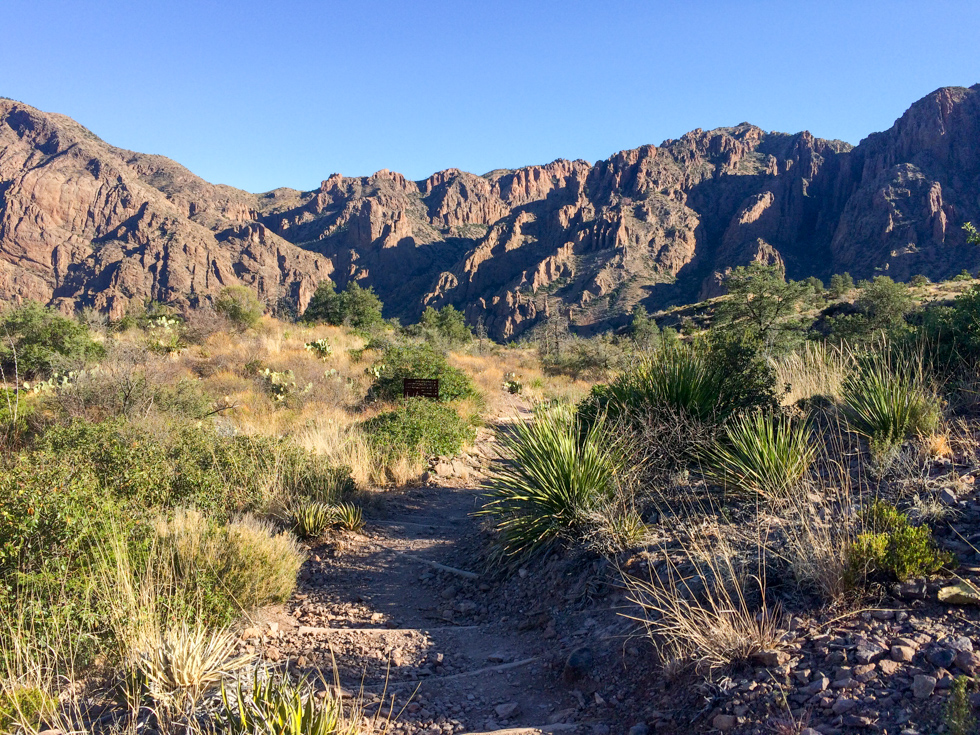
We didn’t make up to the higher peaks but even the lower elevations were lovely.
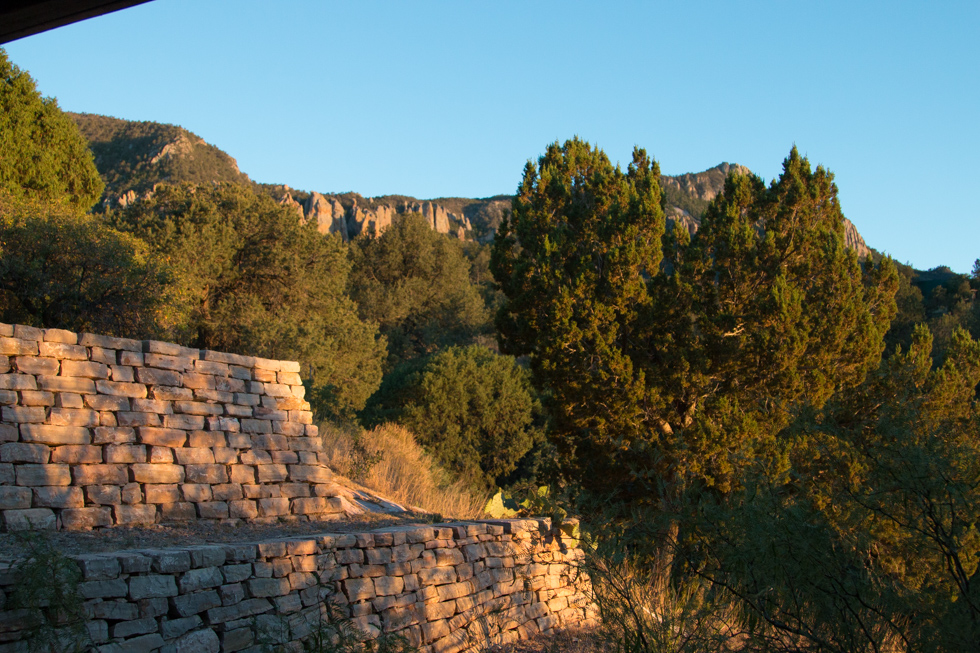
The view from our room.
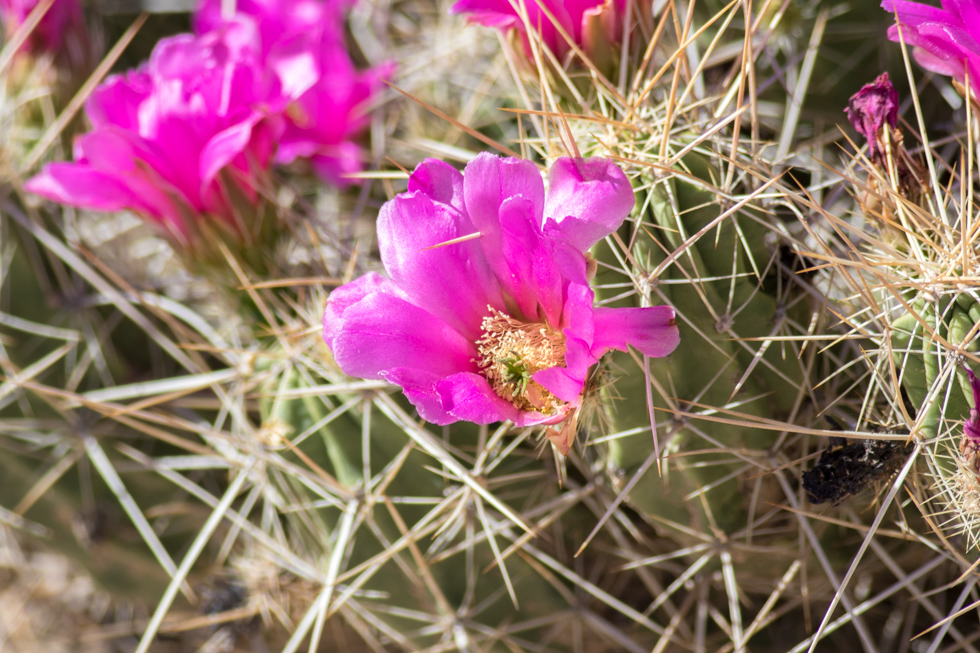
Some flowers were in bloom and added a bit of color to the monochromatic desert landscape.
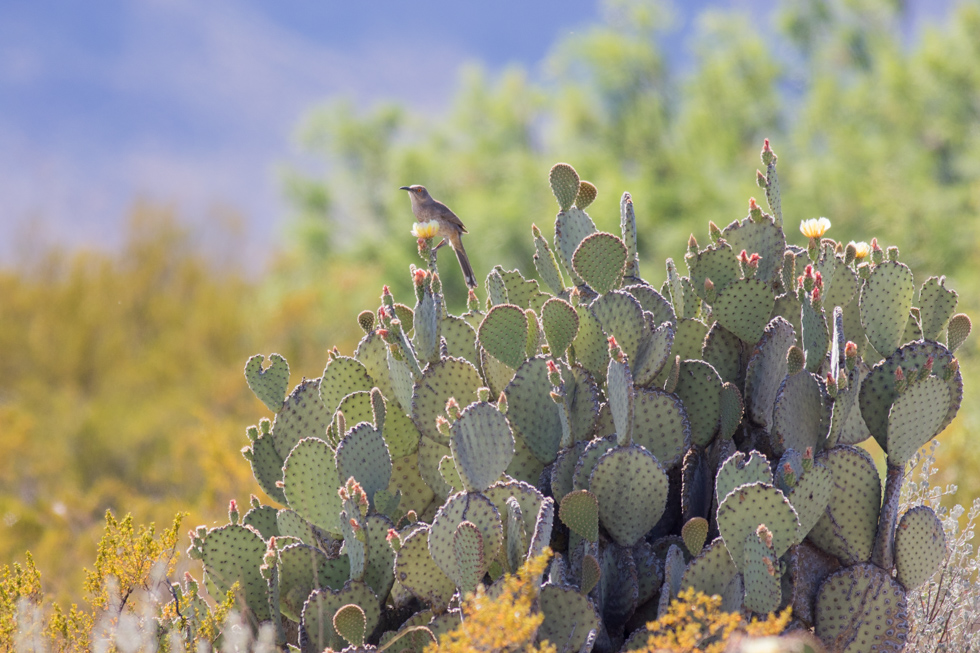
Curved-billed Thrasher
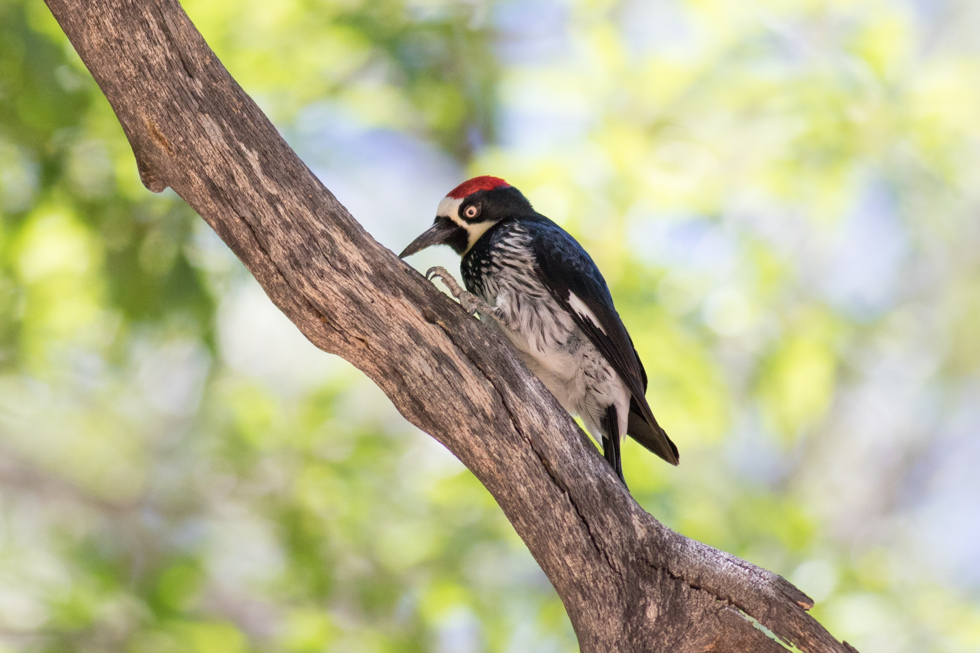
My favorite bird of the trip was the Acorn Woodpecker with its clownish face and raucous call.
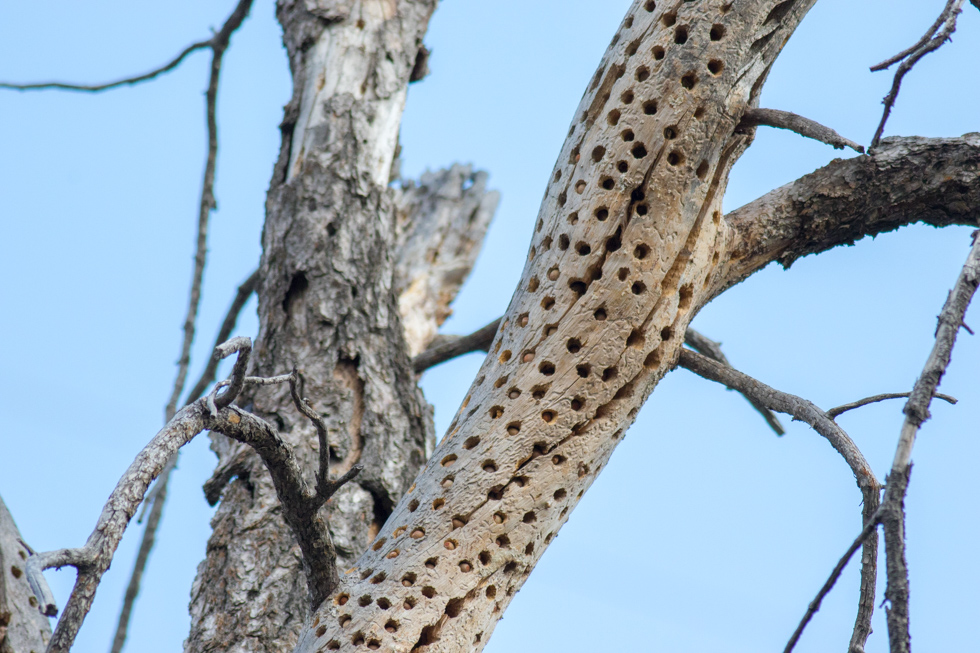
The Acorn Woodpecker drills holes and fills them, aptly, with acorns for later use.
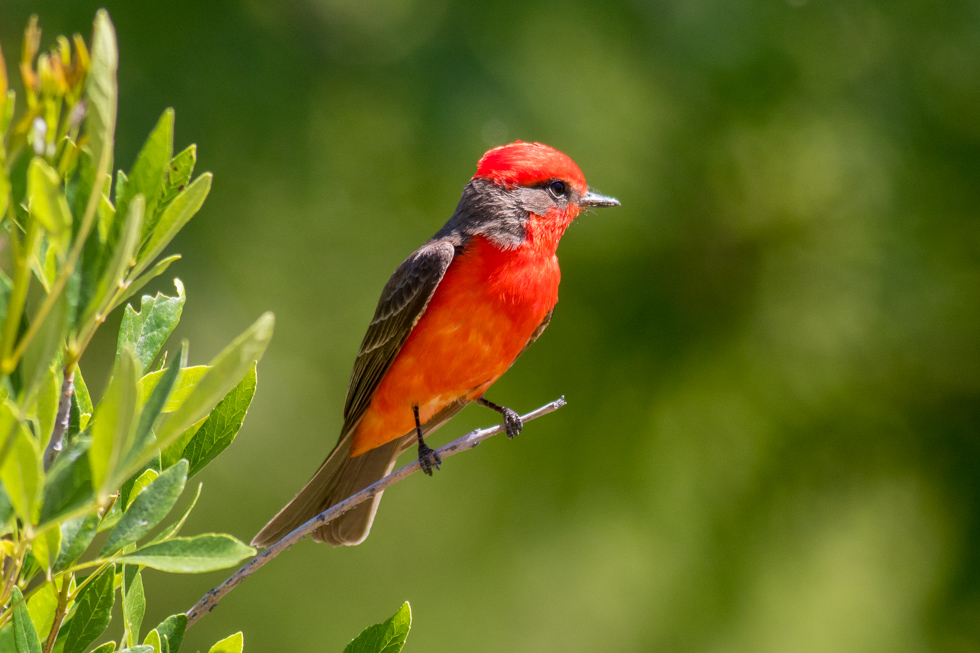
Vermillion Flycatcher. What a stunner.
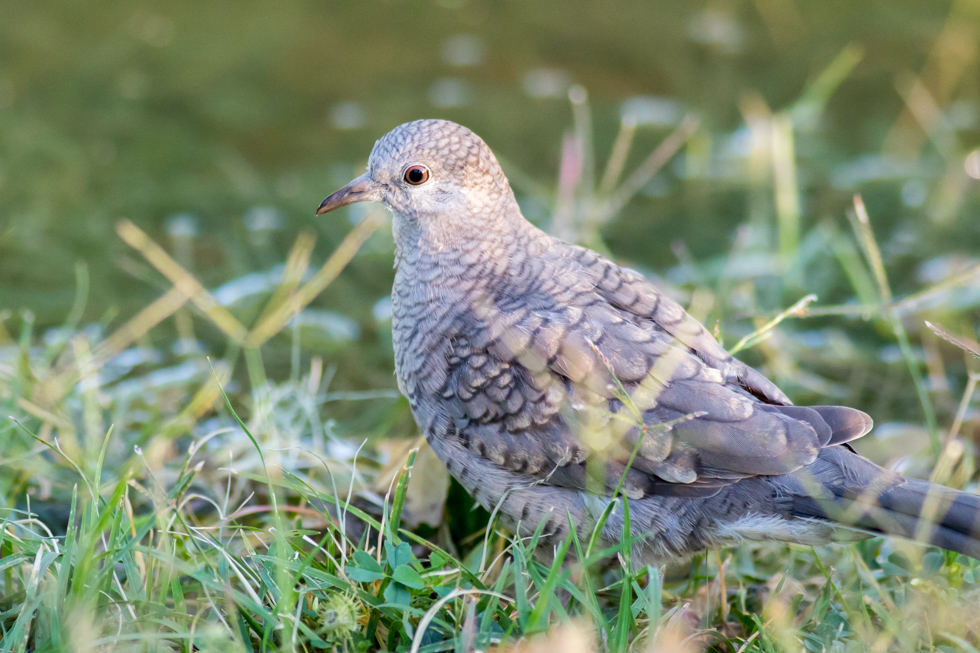
Inca Dove
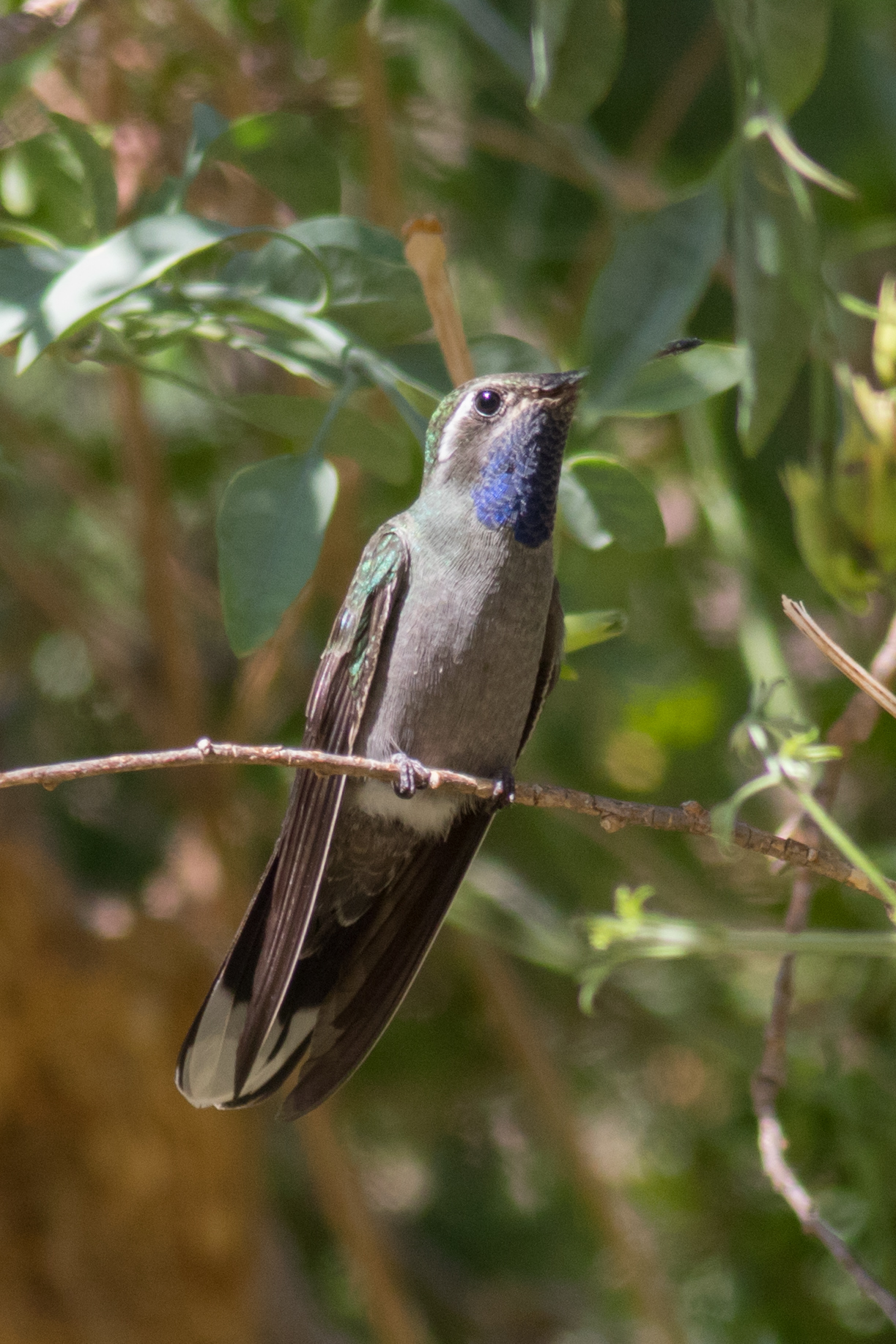
Blue-throated Hummingbird
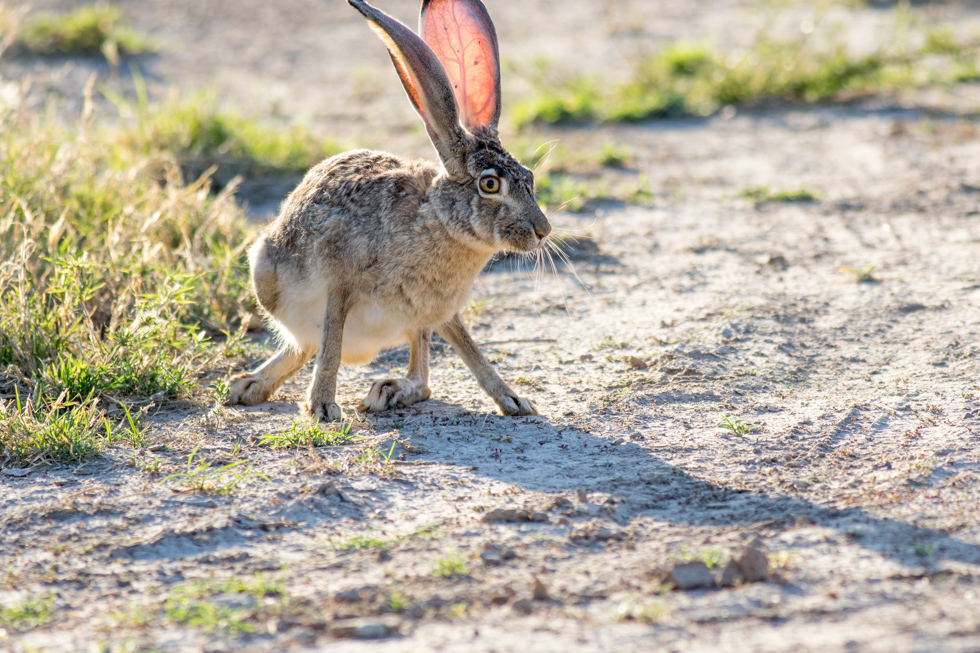
Black-tailed Jackrabbit
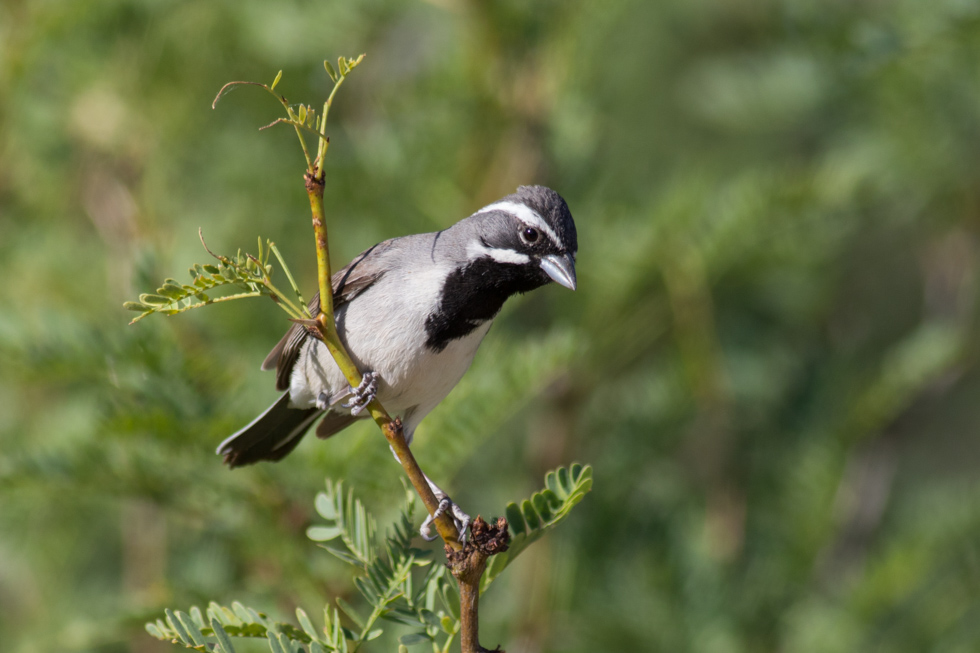
Black-throated Sparrow
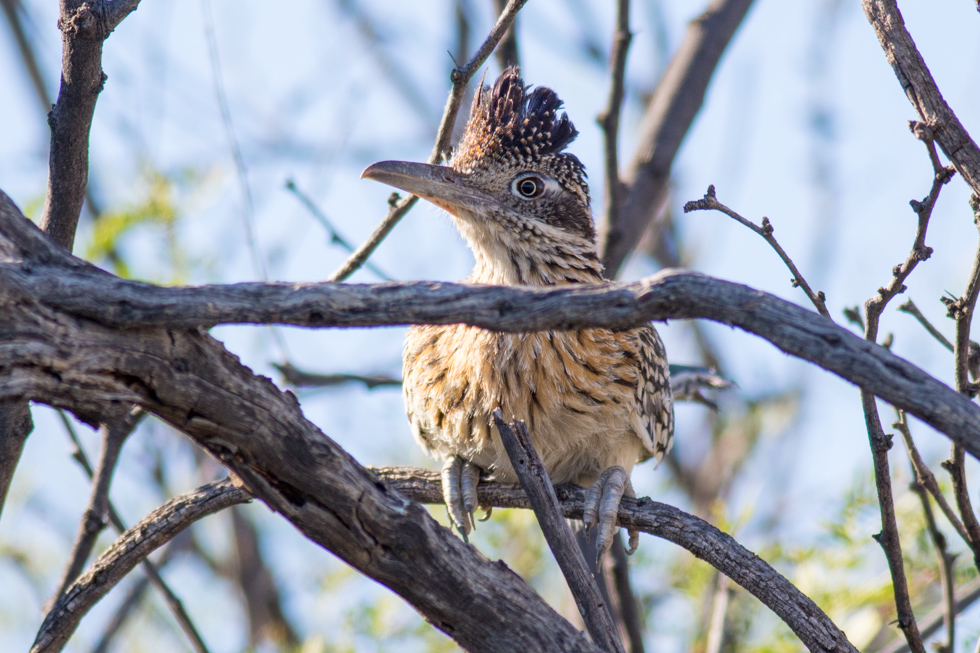
Greater Roadrunner
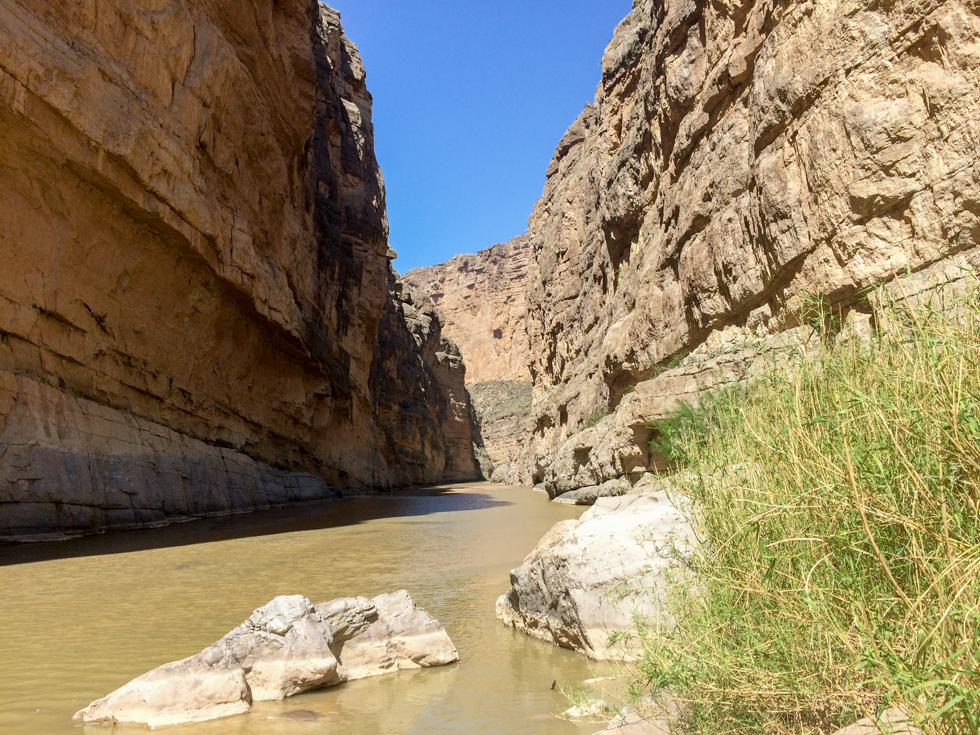
Santa Elena Canyon
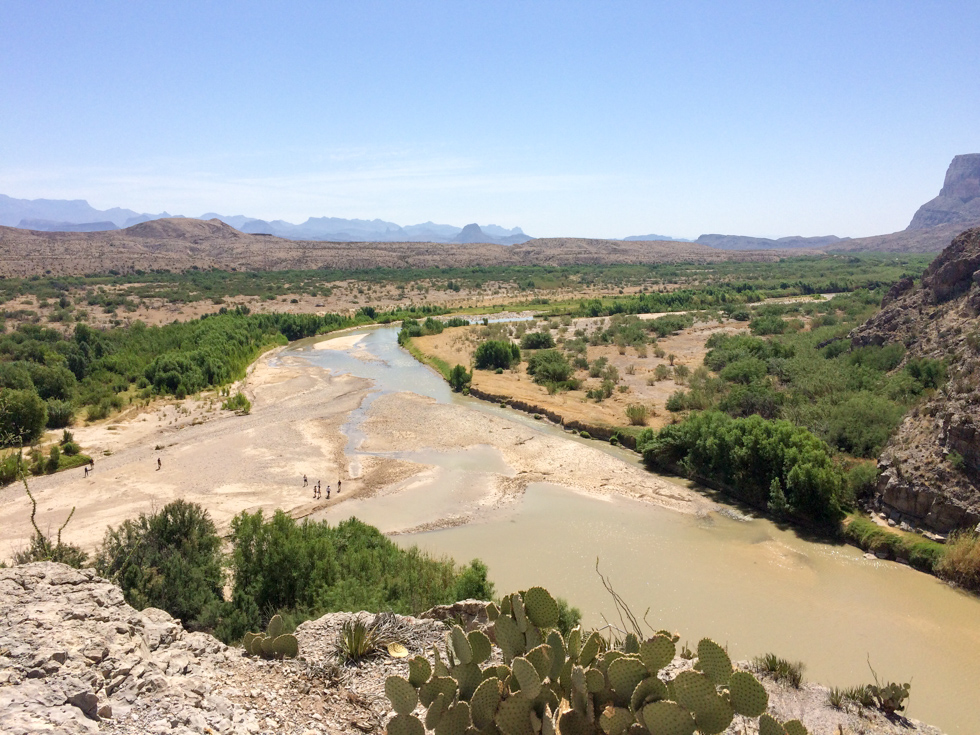
The Rio Grande as viewed from Santa Elena Canyon.
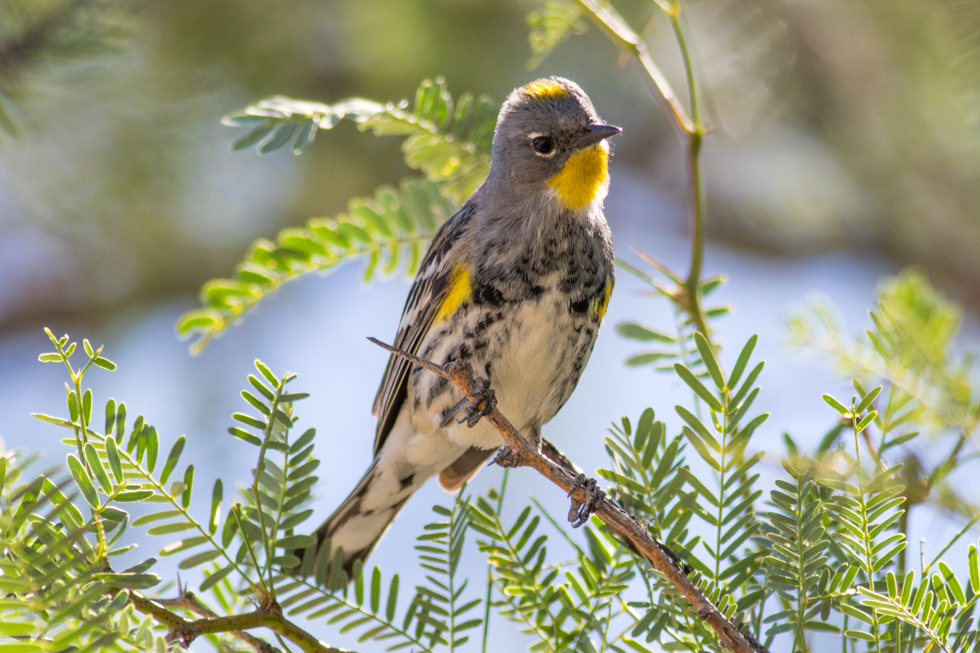
Yellow-rumped Warbler, Western Audubon variety
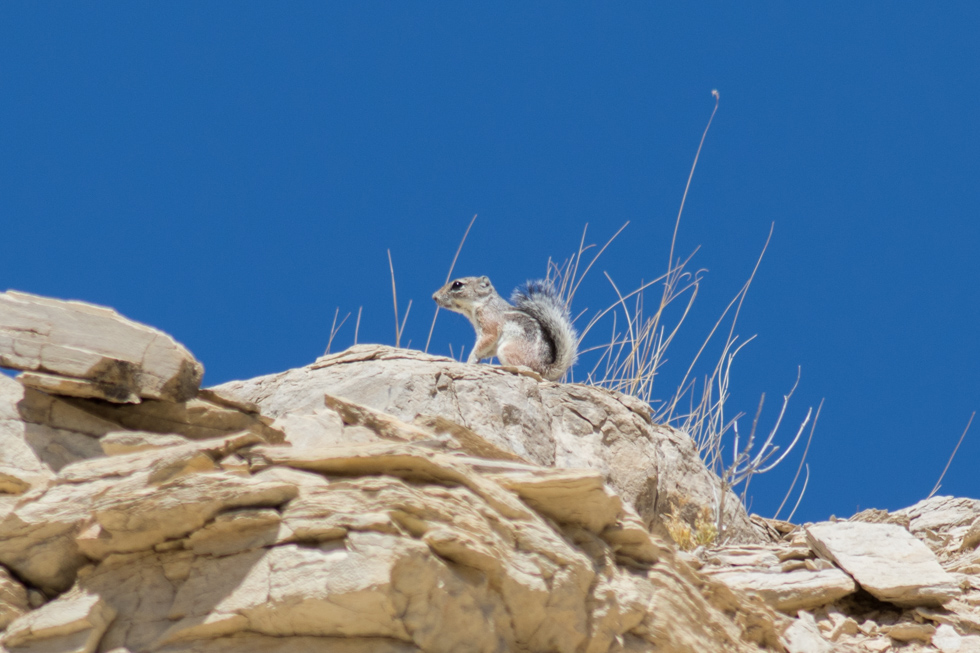
Antelope Squirrel
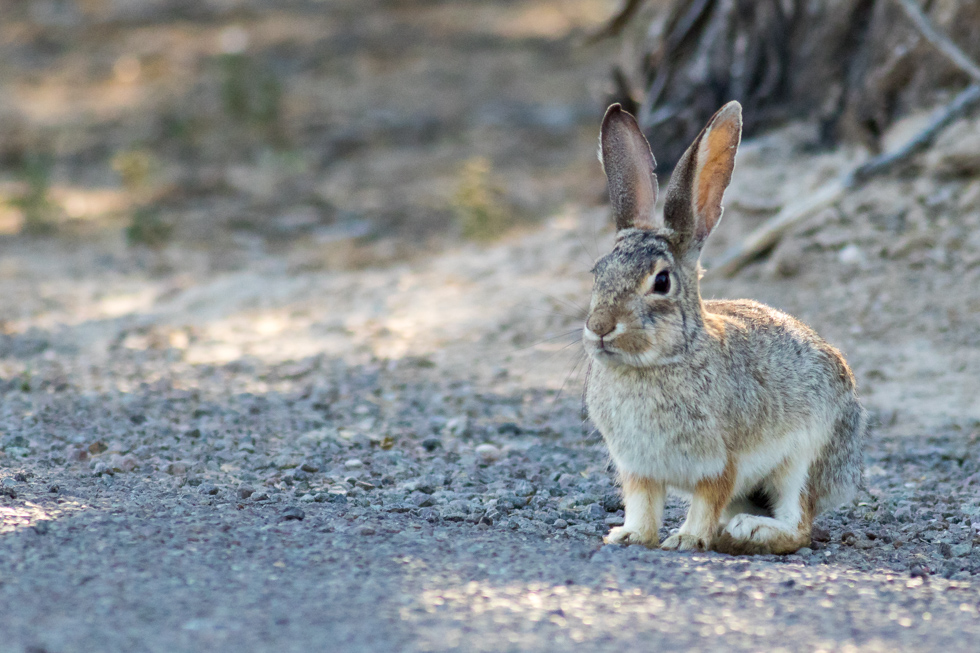
Desert Cottontail
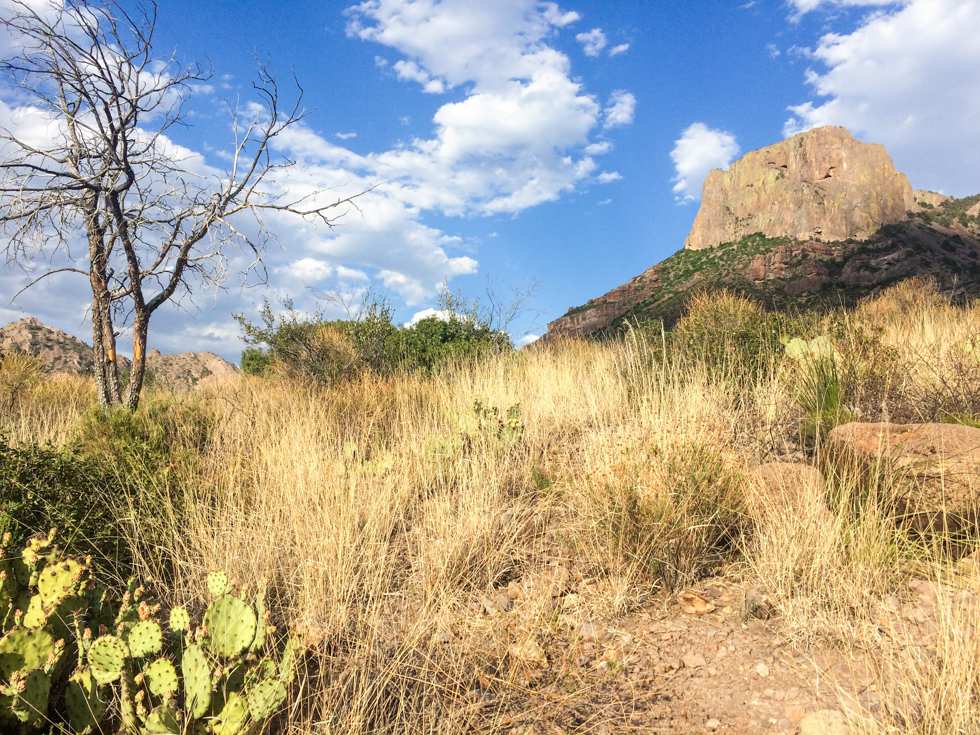
So Texas, who thought you’d be so compelling? Guess where we’re going next. Yep, back to Texas, in January. This time to the Gulf coast to explore Padre Island National Seashore and a trip back to the Rio Grande Valley to visit Santa Ana Wildlife Refuge. See you then!
She’s back!! Thank you so much for this!
Wonderful trip report. Great photos as always. I definitely have paddled through the Santa Elena canyon. Is the water really low? I got a pit in my stomach of your photo at the mouth of the canyon. I remember there was a crucial move that needed to be made right beyond your shot! Thanks KP.
Yes, water was very low. Unfortunately, it is no longer a naturally flowing river. Drought and a network of diversions and dams for agricultural purposes have reduced it to little more than a muddy trickle. Very sad indeed because there isn’t enough water to sustain the riparian habitat that birds and animals rely upon.
awesome!