
Everglades National Park is AMAZING. Go there.
As part of our National Parks tour, and as a way to escape the Wisconsin winter if only briefly, we hopped a plane for south Florida last Tuesday, January 24. Our main objective was to visit Everglades National Park, but soaking up some sunshine was pretty high on the list too. And of course, birding. On all counts, the trip couldn’t have been nicer. We enjoyed every minute of it. The weather was perfect, the park was beautiful and uncrowded and we saw some pretty amazing things. First a little information about the park: Everglades National Park is a U.S. National Park in Florida that protects the southern 20 percent of the original Everglades. In the United States, it is the largest tropical wilderness, the largest wilderness of any kind east of the Mississippi River, and is visited on average by 1 million people each year. It is the third-largest national park in the lower 48 states after Death Valley and Yellowstone. It has been declared an International Biosphere Reserve, a World Heritage Site, and a Wetland of International Importance, one of only three locations in the world to appear on all three lists. If you ever get a chance to go here, take it. You won’t regret it.
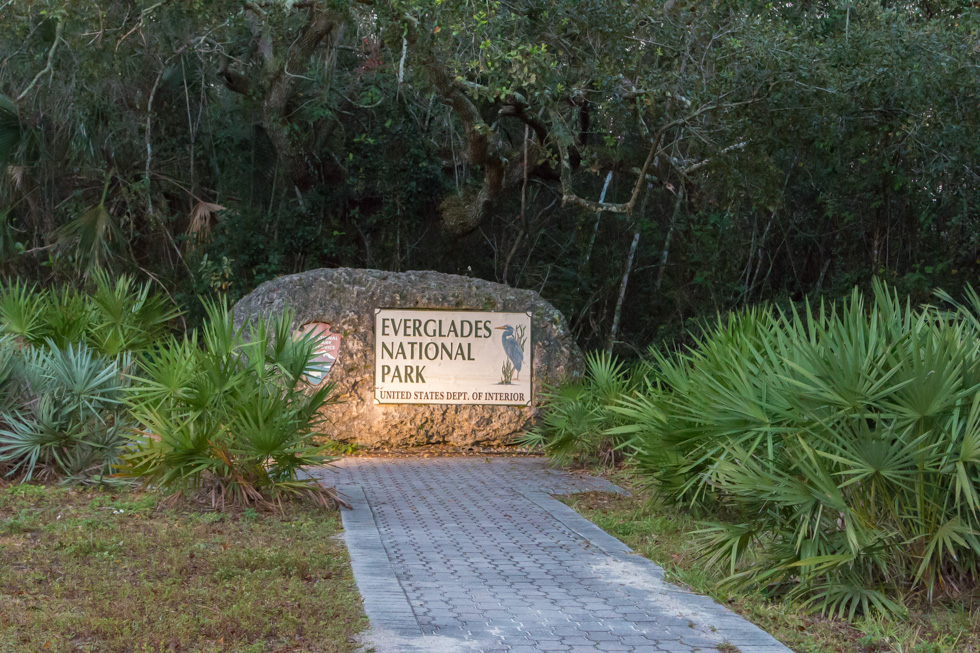
Welcome to Everglades National Park

The park covers 1,508,538 acres! Much of it is only accessible by boat. A 38 mile long road runs from the park entrance to the coast. I’ve outlined it in yellow on the map. There is a northern road that runs east/west but we didn’t have time to drive it. Next time.
We spent 2 full days in the park. It was uncrowded and we took our time meandering down the road to Flamingo, the end of the line at the coast, stopping along the way to hike and slamming on our brakes for birds of all kinds. Flamingo hosts a Marina, Ranger Station and campground. One can rent canoes and paddle canoe trails amongst the mangroves or take a boat tour out along the coast or up Flamingo Canal.
As you drive through the park, you encounter some very interesting and vastly different ecosystems; Freshwater sloughs and wet prairies, hardwood forests called hammocks, pineland, covered exclusively by slash pine, as well as cypress and mangrove.
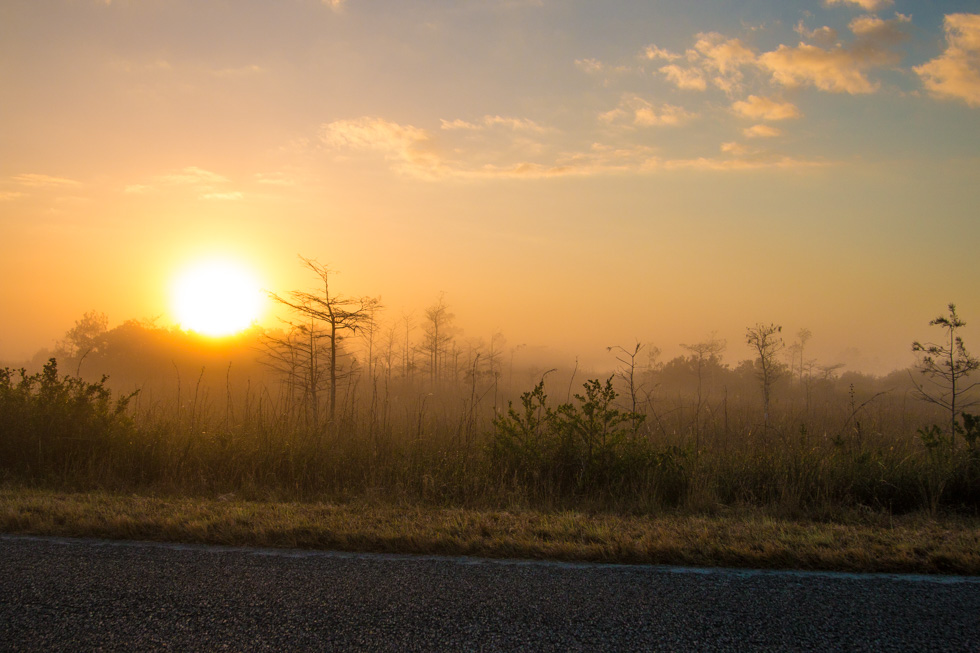
Sunrise over the sawgrass prairie.
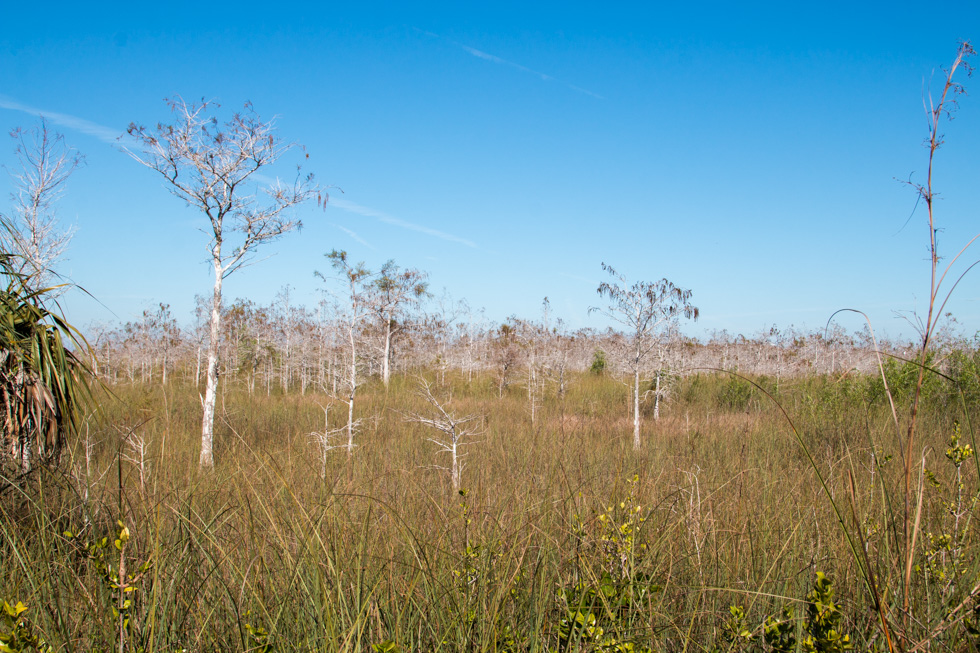
Bald Cypress stand. Cypress is deciduous so they look dead this time of year.
One of the very best places to get up close to birds and Alligators is on the Anhinga Trail, a boardwalk through the swamp at the Royal Palms visitor center.
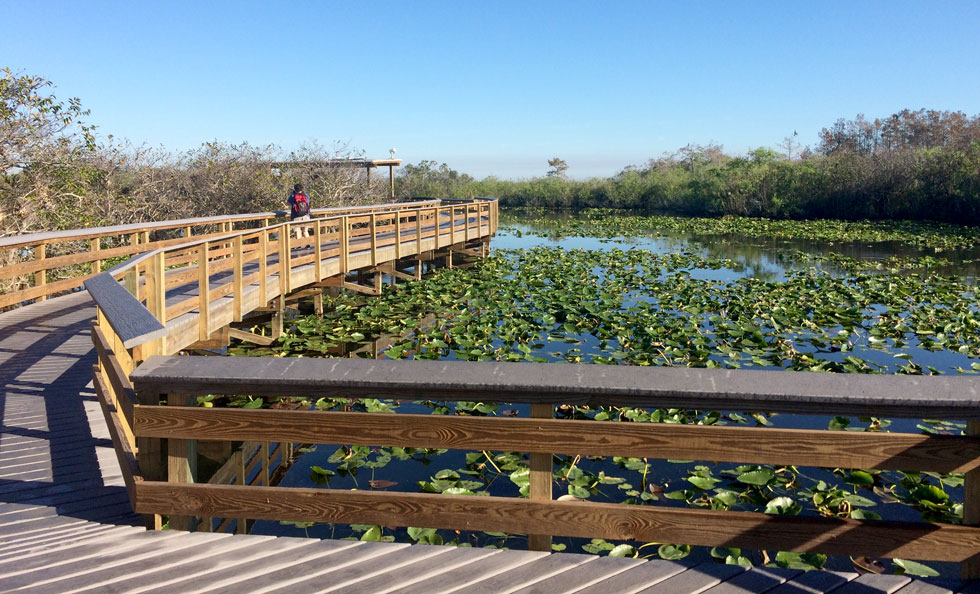
Anhinga Trail Boardwalk
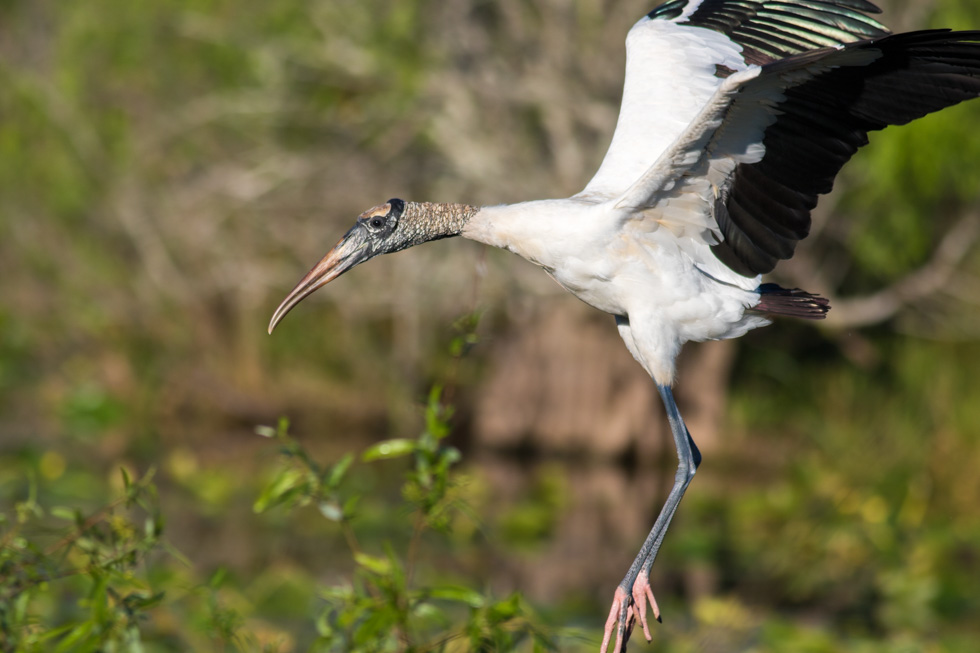
This Woodstock is one of the birds I really wanted to see and lucky for us, we got to see one up close.
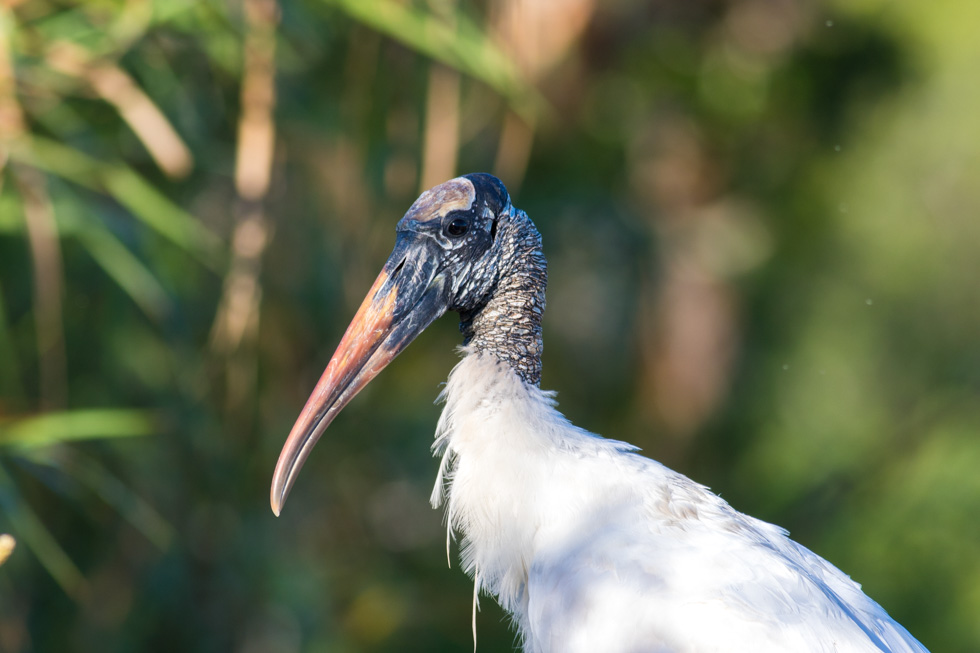
The skin on the head is amazing; very reptilian.
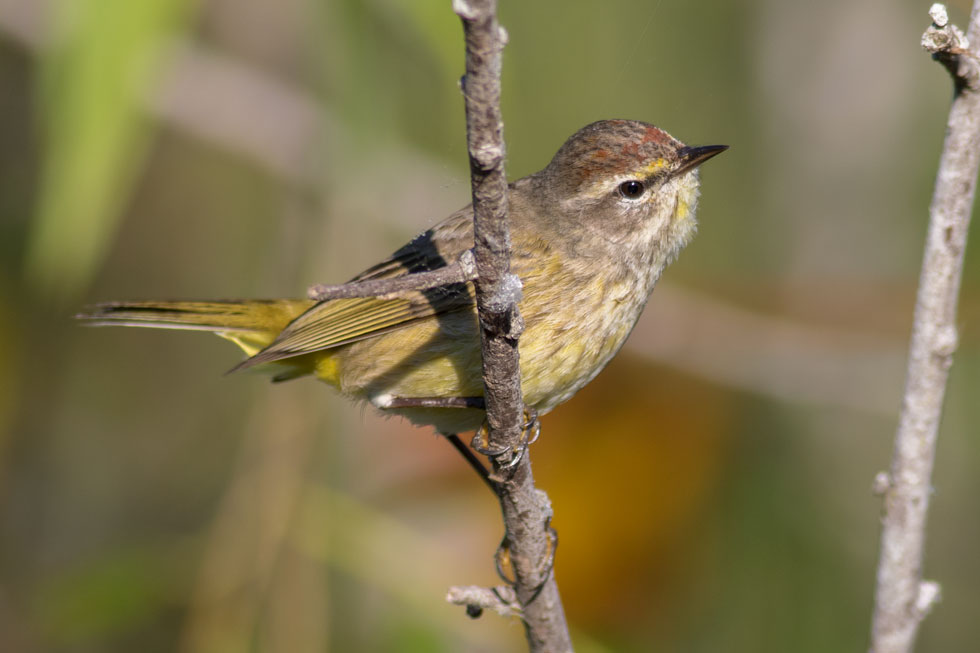
Palm Warbler
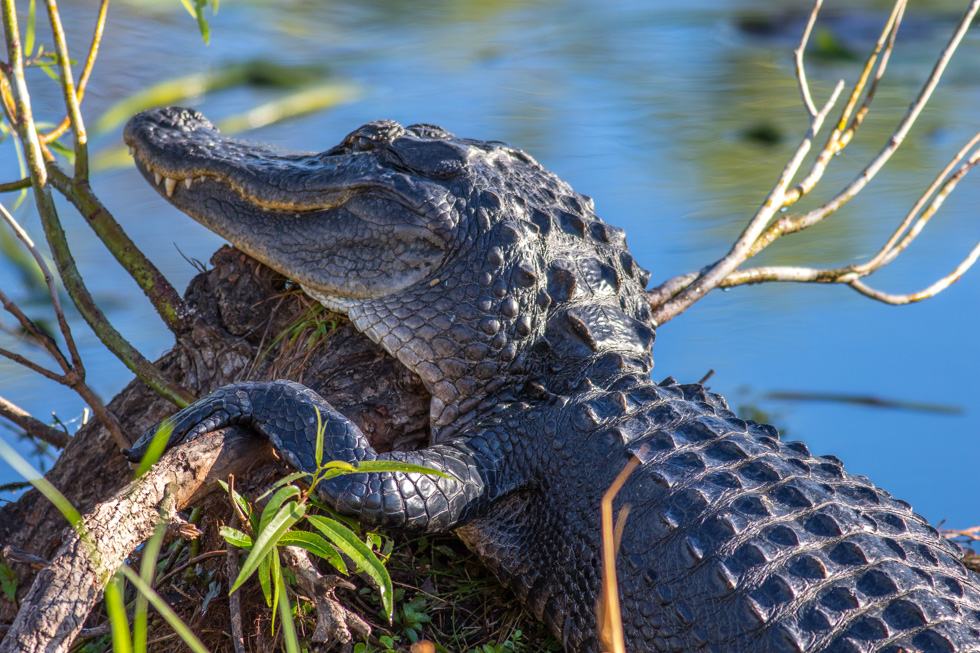
Lots of these guys lying about.
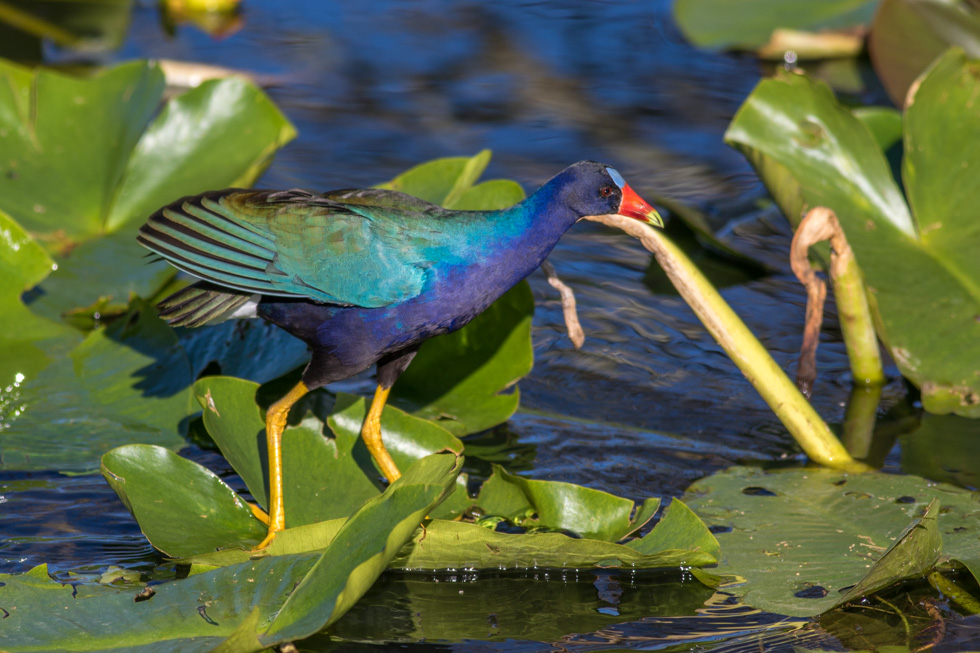
Purple Gallinule
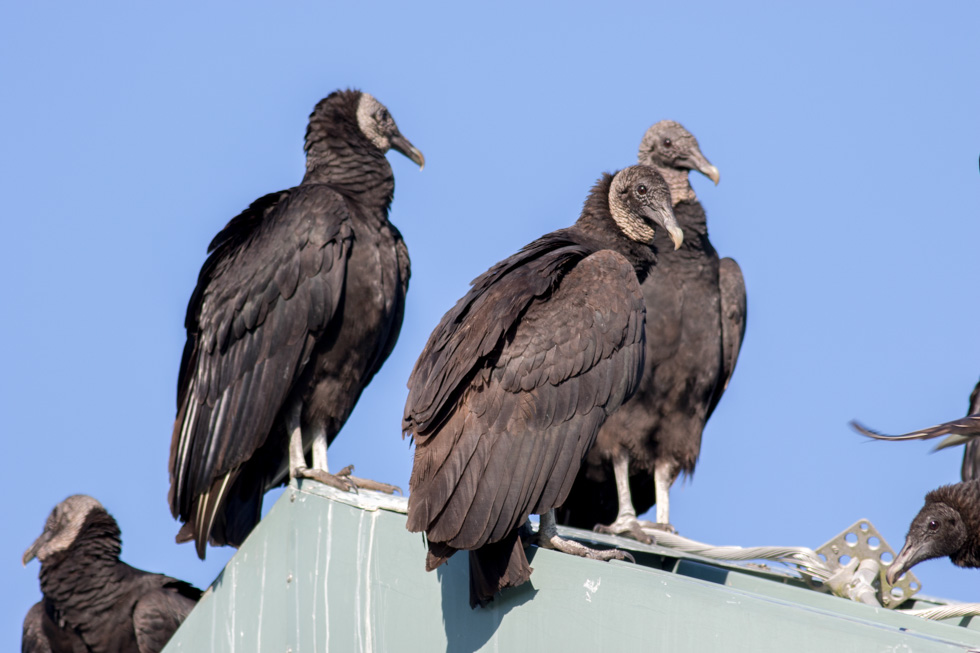
There are Black Vultures in large numbers hanging around the visitor’s center. Tarps are provided by the park to cover your car because the vultures like cars and will destroy them by sitting and pooping on them, scratching them, and picking off anything rubber or plastic.
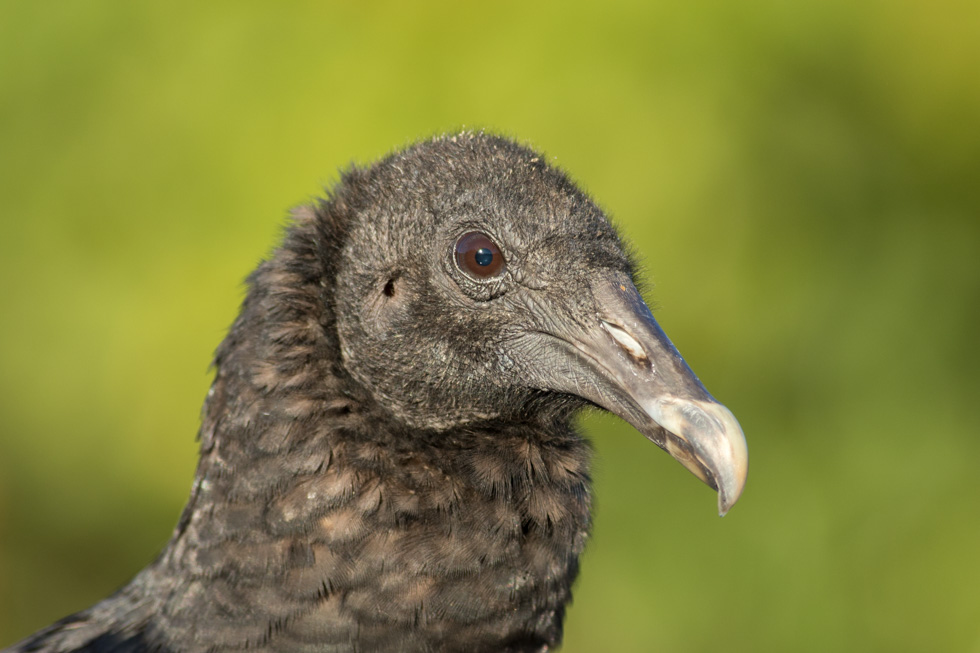
Not afraid of humans. Juvenile Black Vulture

Anhinga nest with chicks
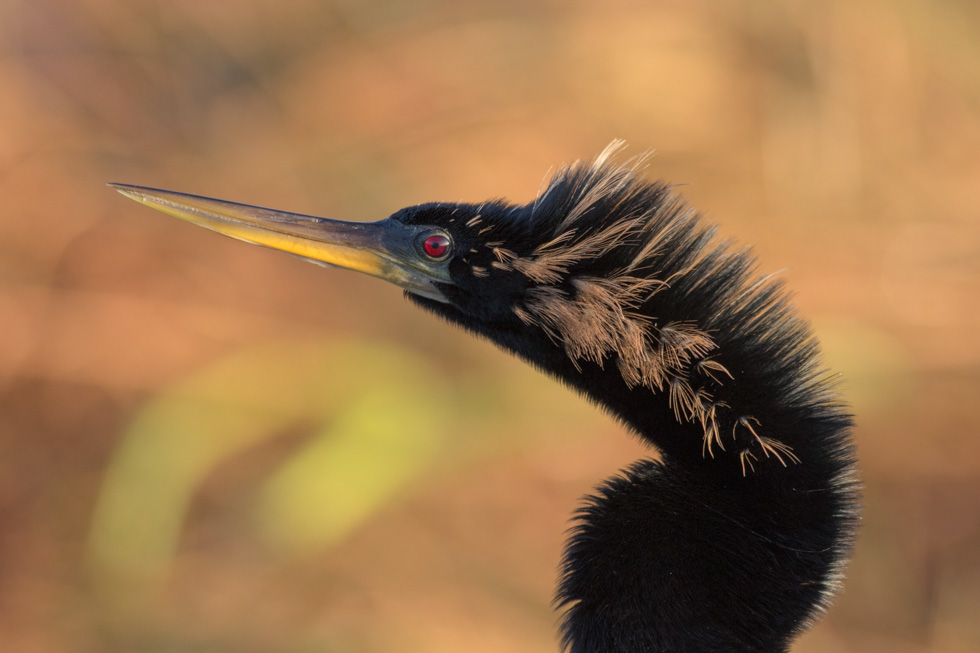
Anhinga, also known as a water turkey or snakebird. Swims underwater looking for prey which is spears with its sharp beak.
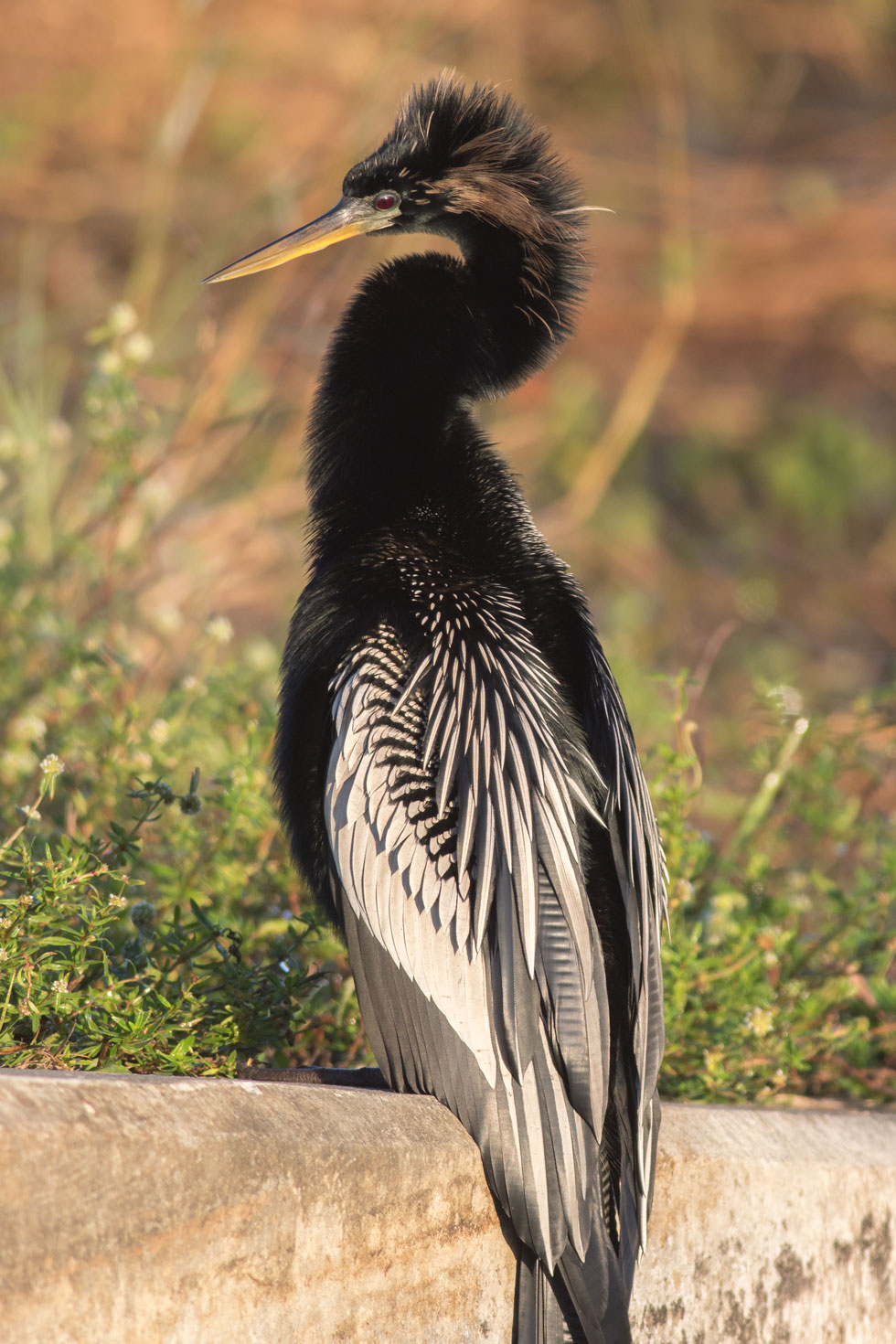
The patterning on the feathers is quite beautiful.
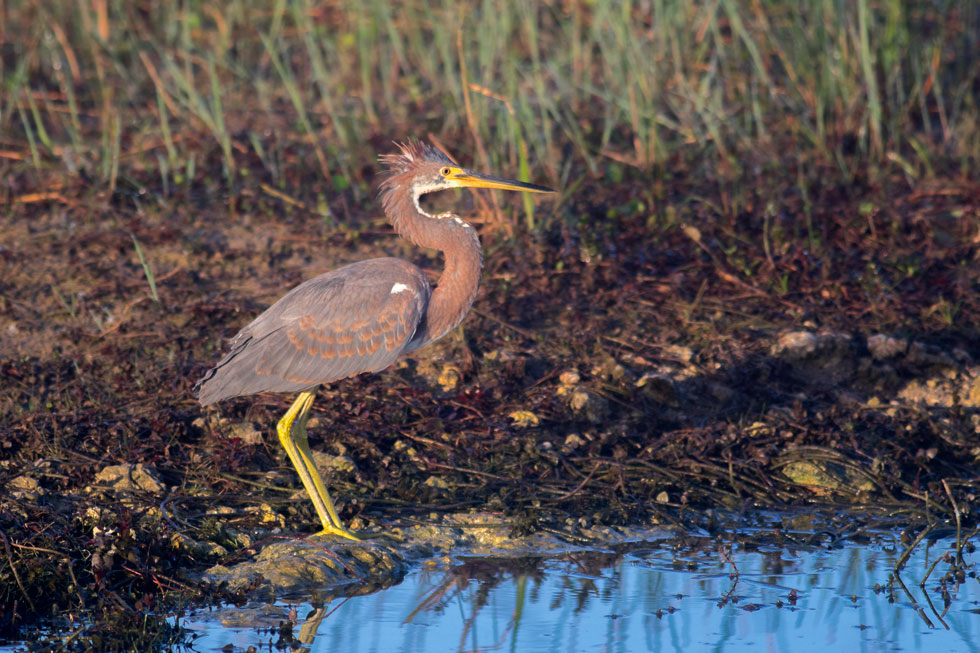
Tricolored Heron
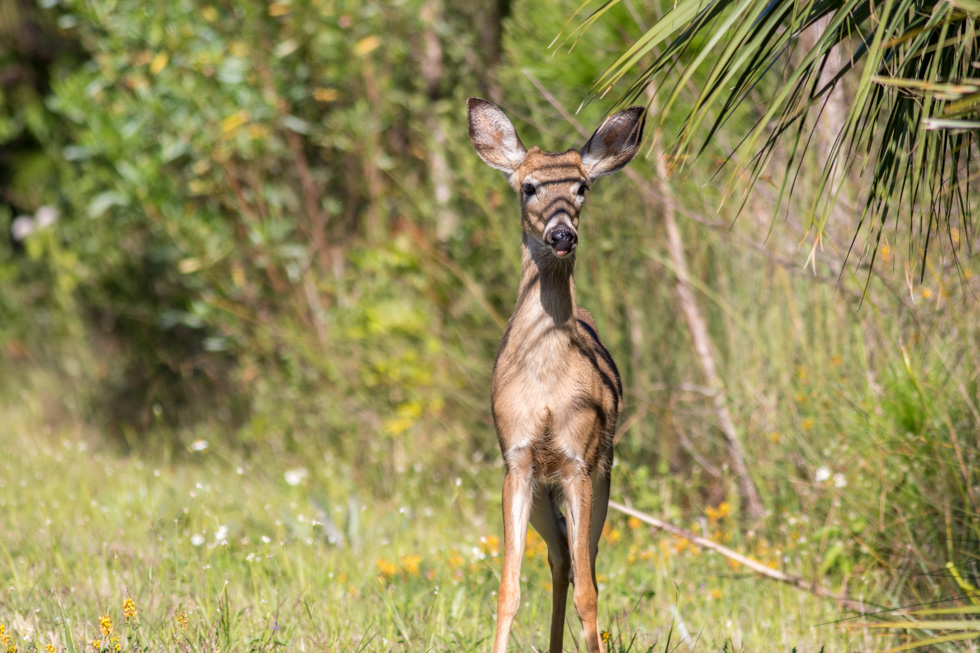
Didn’t see too many mammals but we did see a couple deer early in the morning. There are Florida Panthers in the park as well but rarely seen.
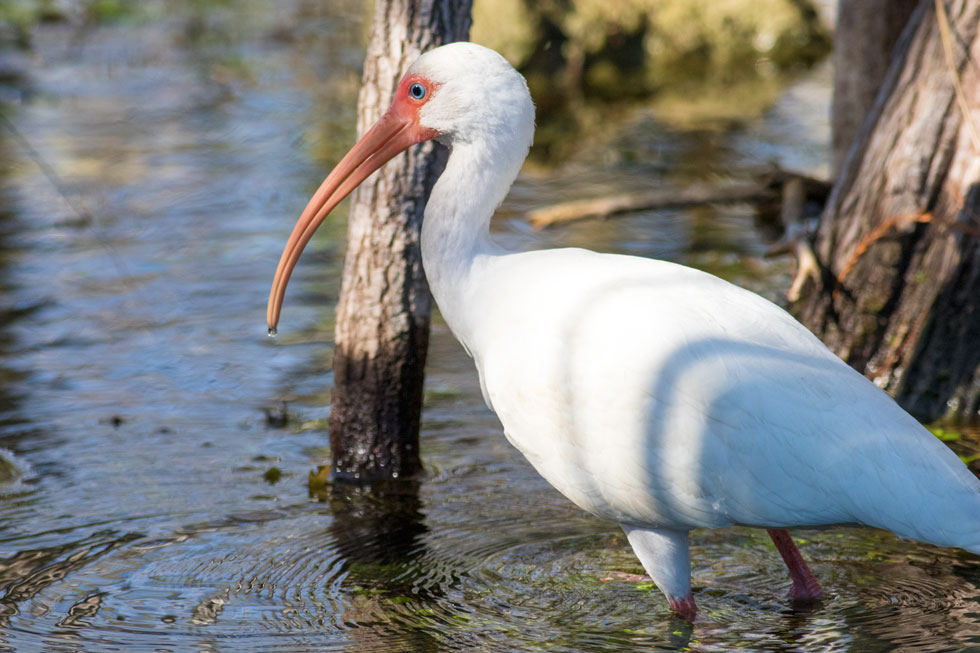
White Ibis
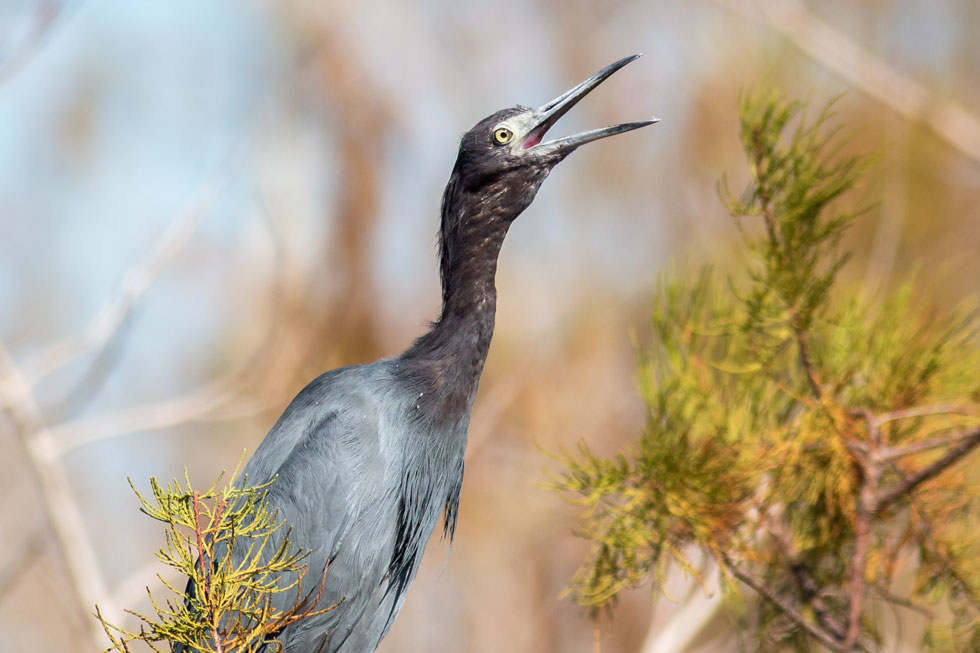
Little Blue Heron
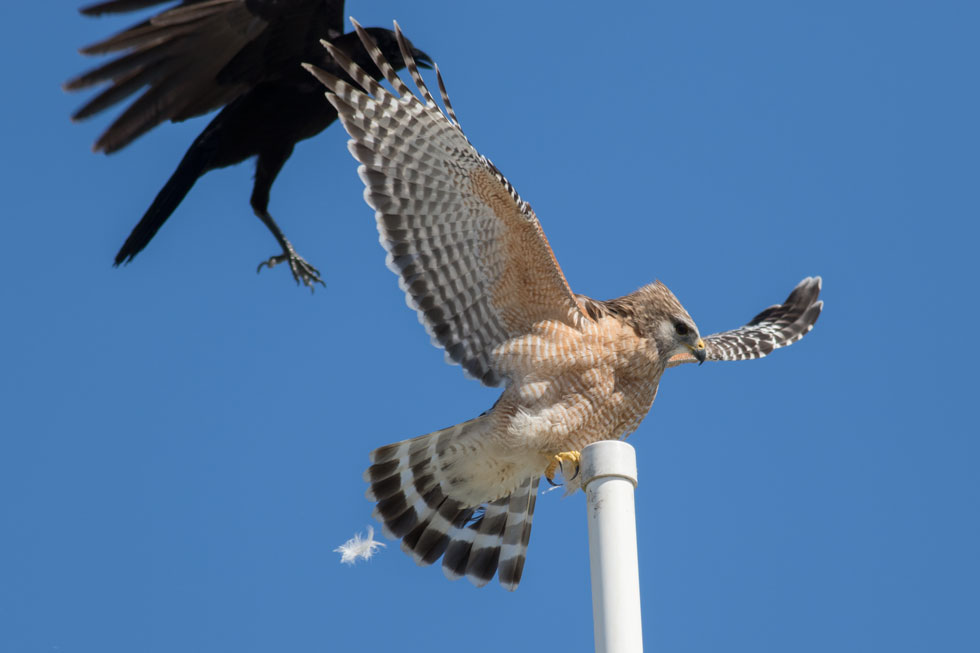
Red-shouldered Hawk at the Marina being harassed by a crow.
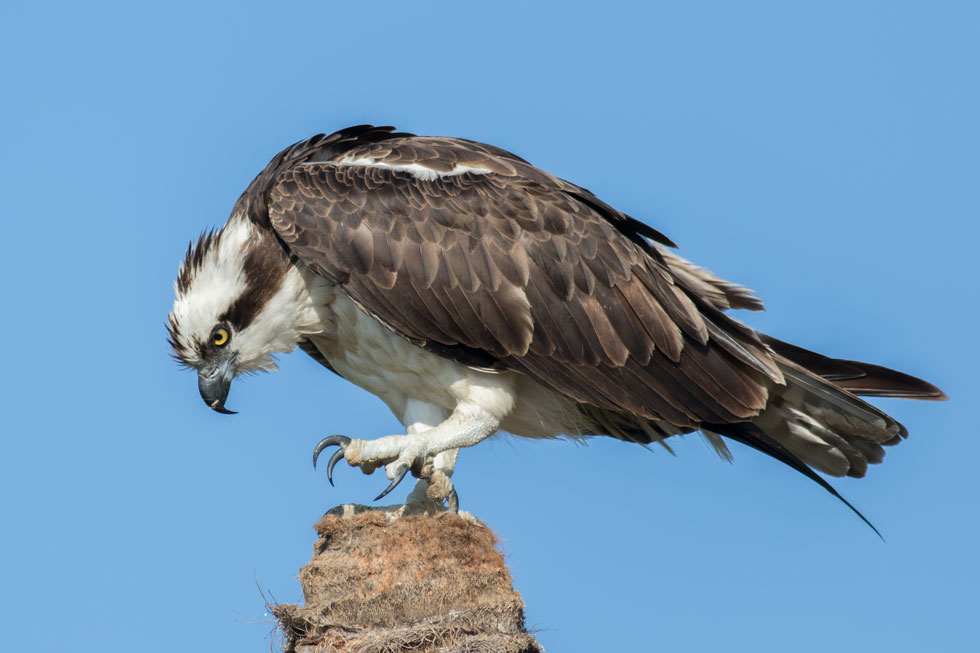
Osprey
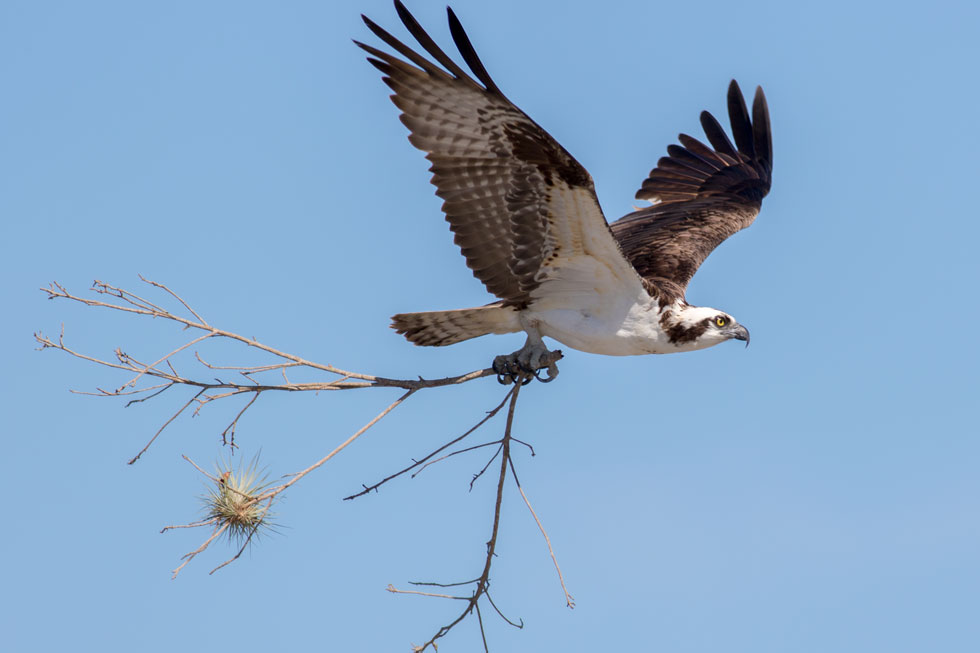
We counted 3 Osprey nests near the Ranger Station but I’m sure there were more. Guess it’s time to reinforce nests for the upcoming nesting season.
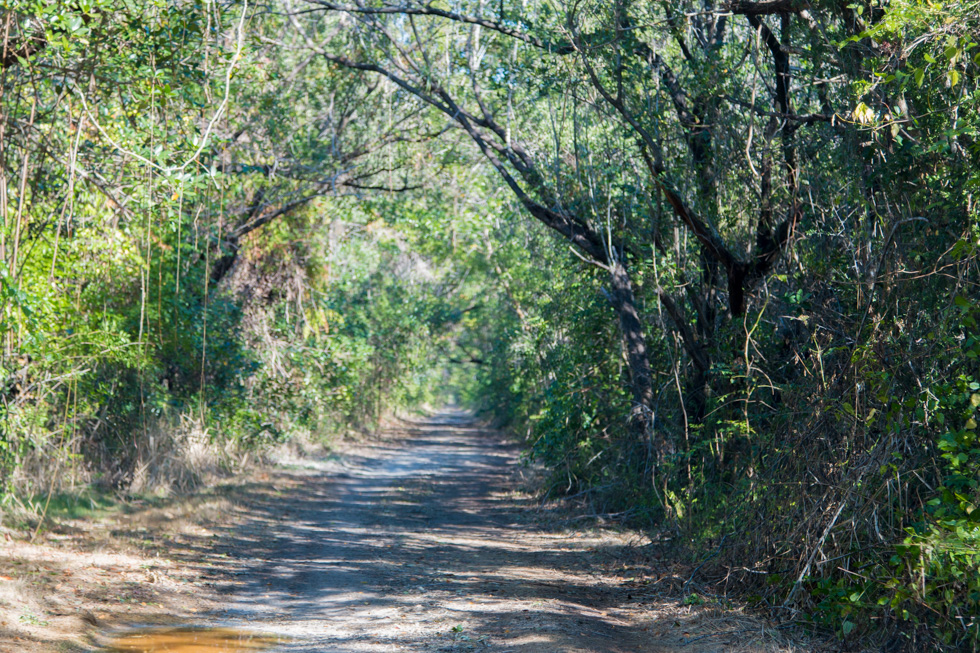
Bear Lake Trail
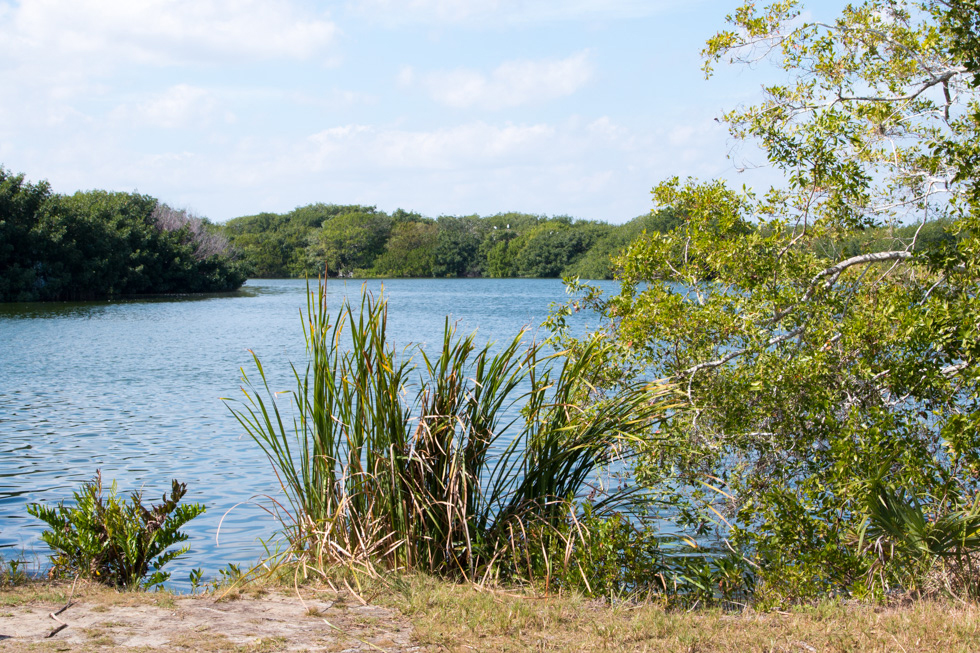
Paurotis Pond is a nesting site for the threatened Wood Stork as well as Roseate Spoonbills. We saw both at this location but they were on the far side of the pond perched in the trees. You can see the storks if you look real hard.
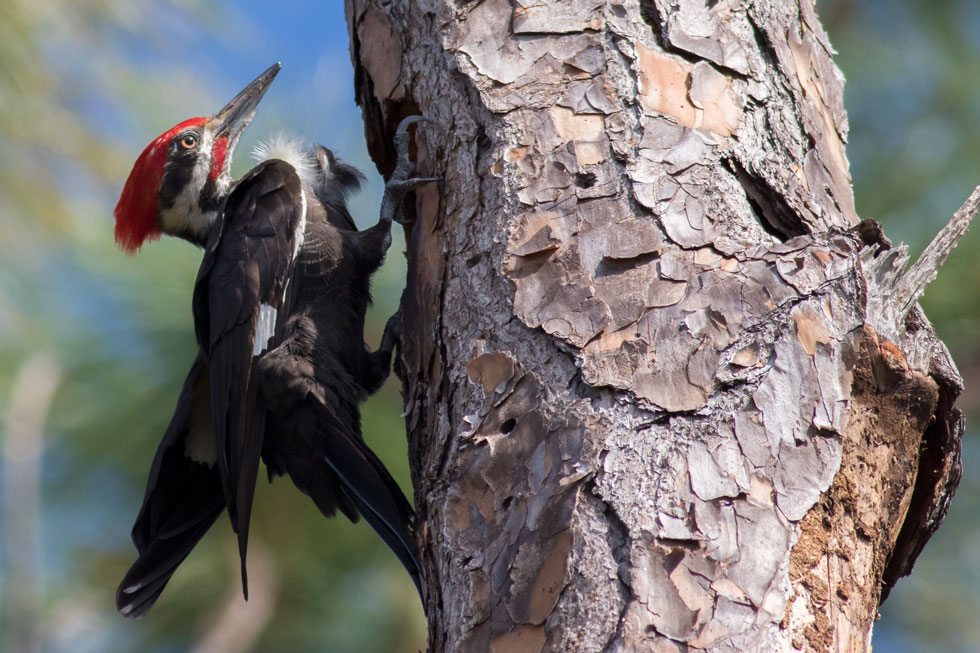
Pileated Woodpecker in the slash pines.
We explored a little outside the park as well. We had heard that there might be some Burrowing Owls at a small municipal airport near our hotel in Homestead so we stopped there one evening. I asked for permission to be on the grounds at the administration office and they were very helpful and even pointed us to a couple spots on the grounds. Look what we found!
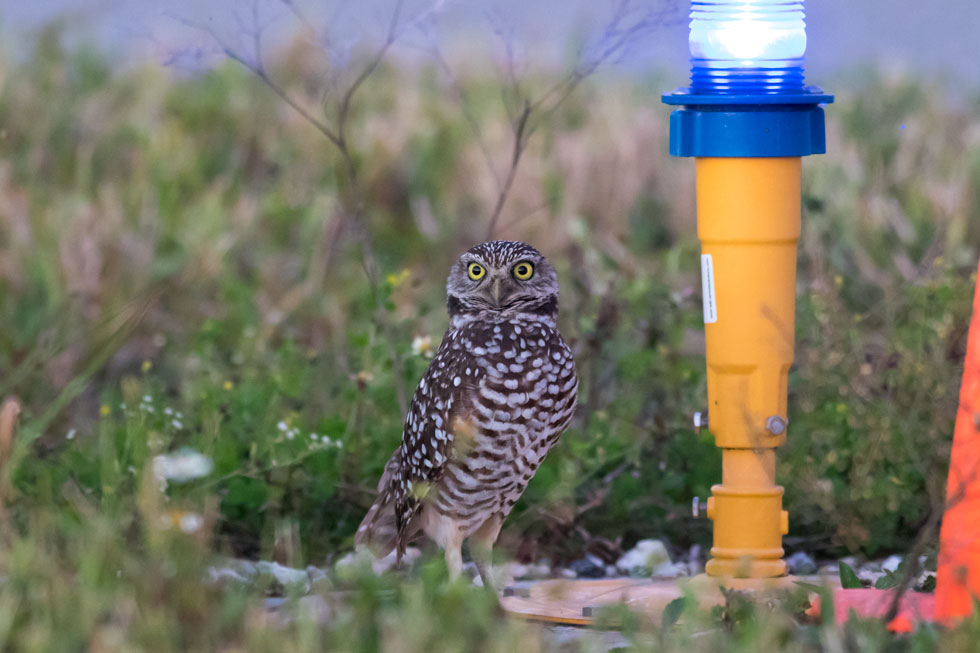
We found a burrow right next to a runway light and 2 sleepy owls. It’s amazing that they are unfazed by the air traffic.
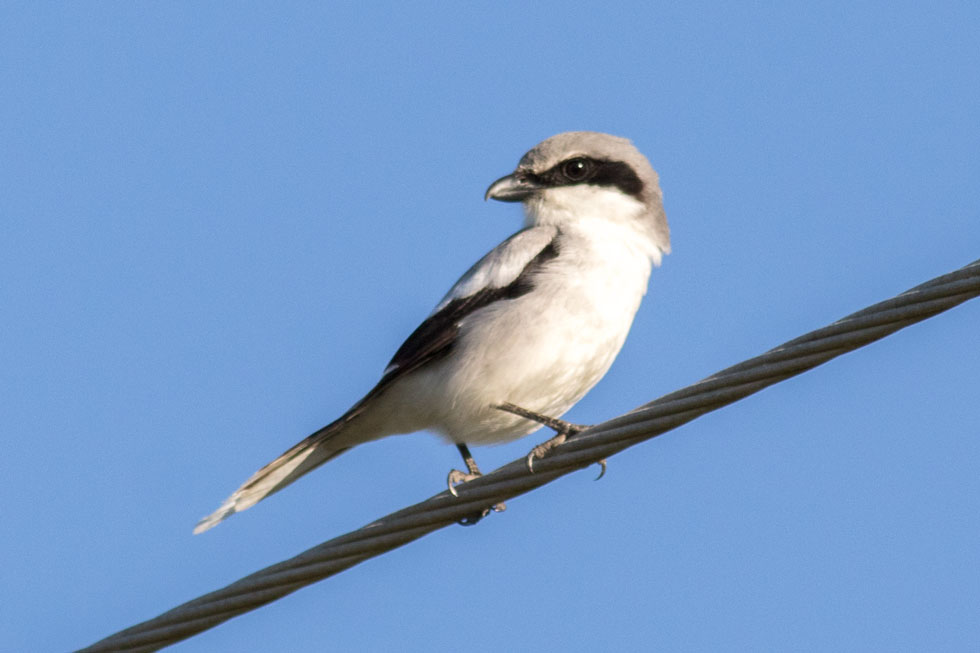
Also found a couple Loggerhead Shrike hunting the open space at the airport.
We spent our last day on Key Biscayne in Miami. Got to see some coastal birds like terns, gulls, cormorants, plovers and others. And walk on the beach of course.
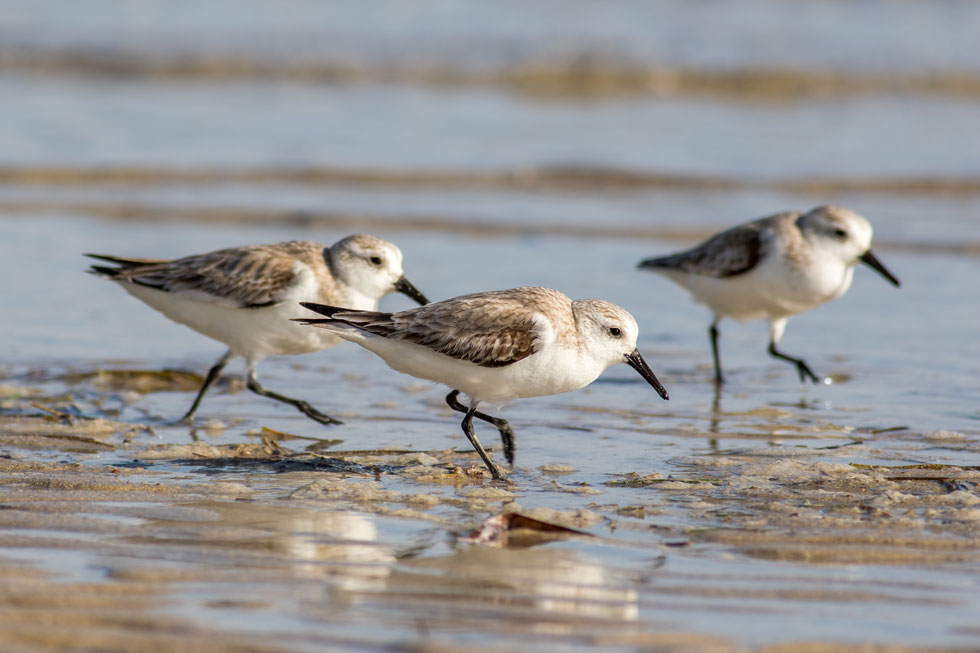
Sanderlings skittering about looking for food.
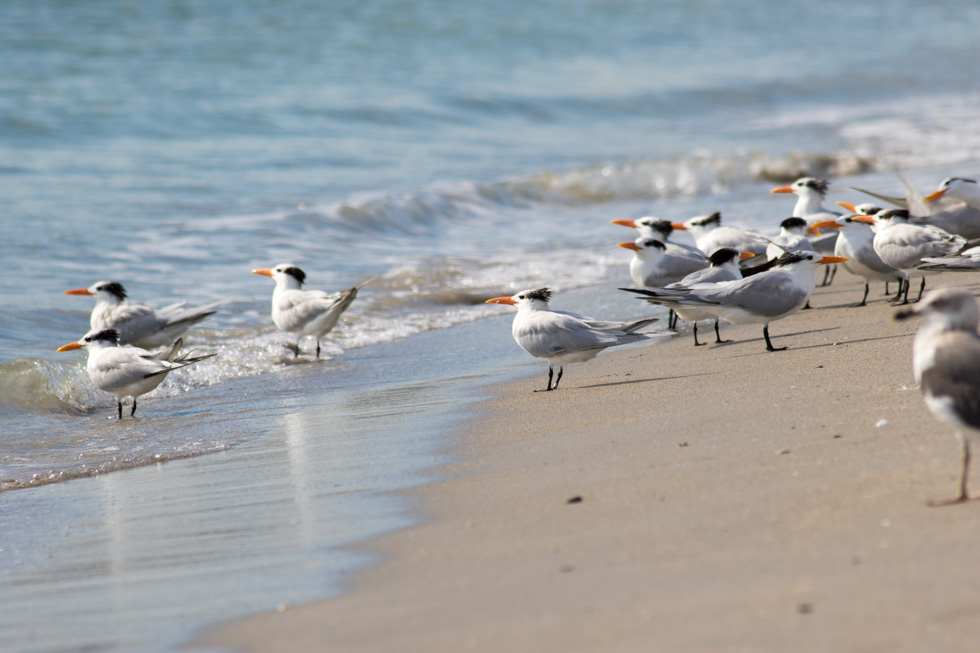
Royal Terns
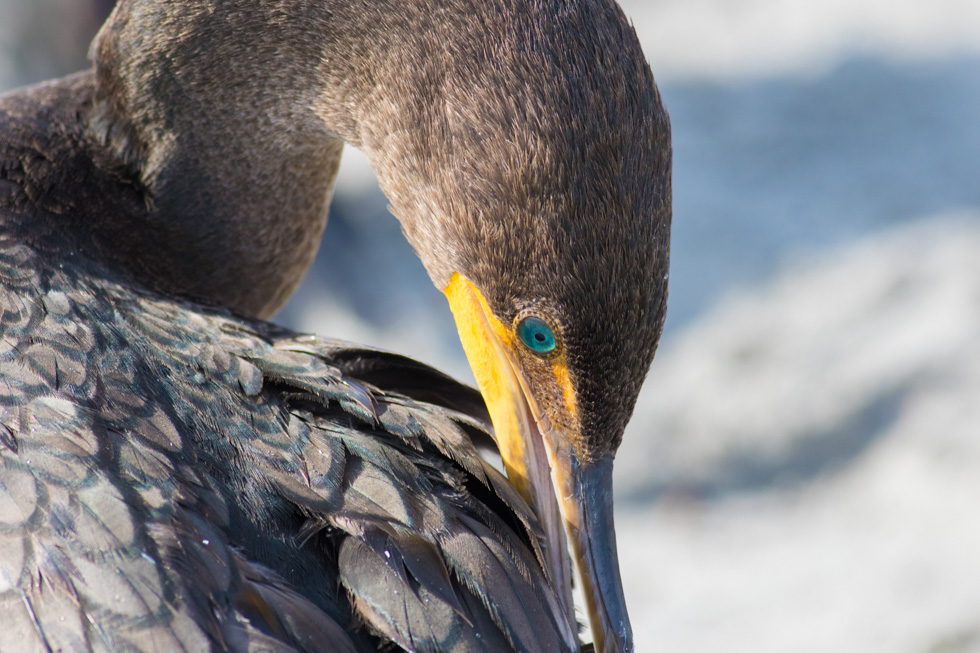
Double-crested Cormorant
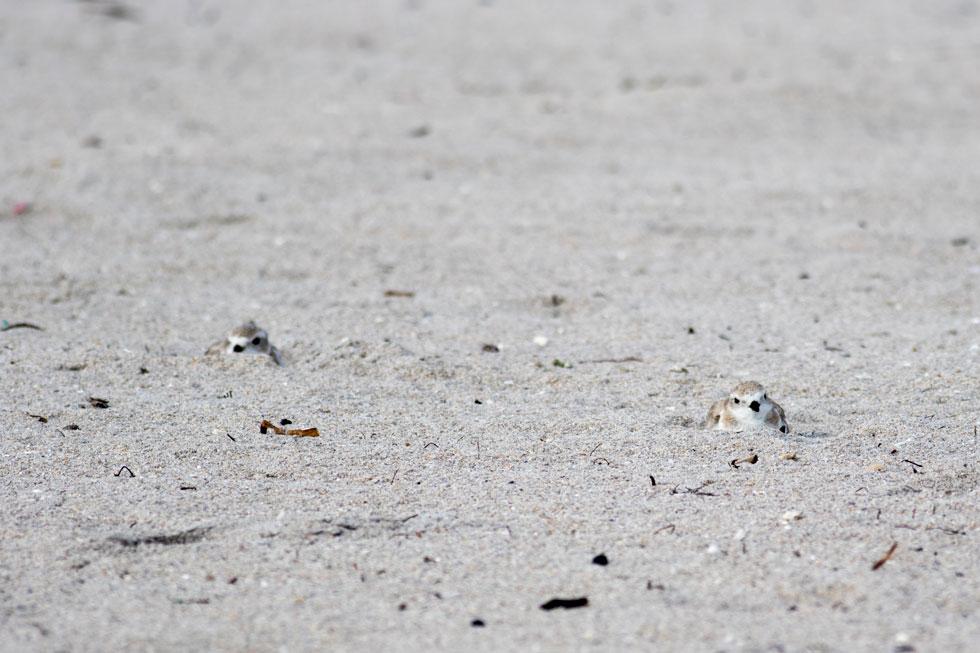
Piping Plovers hunkered down in the sand.
And there you have a sampling of the 1929 pictures that I snapped on our 5 day trip. Until next time, signing off.
Awesome! thank you for posting!
These are great pics, Kris! I love the education also!
wonderful! what a grand expedition to the everglades. Your photos are stunnning.
once again, amazeballs!